
Have you ever wondered how a simple wheel can help you understand your feelings? The Feelings Wheel displays 72 emotions arranged in a neat circle, making it easy to see exactly what you’re experiencing. It starts with six basic emotions, like happy or calm, and then breaks them down into smaller, more specific feelings. Think of it as a helpful map that guides you through the layers of your mood until you find the word that fits best. In this post, we’ll show you how this visual tool can boost your emotional awareness and help you feel more in tune with yourself.
feelings wheel: Boost Emotional Awareness
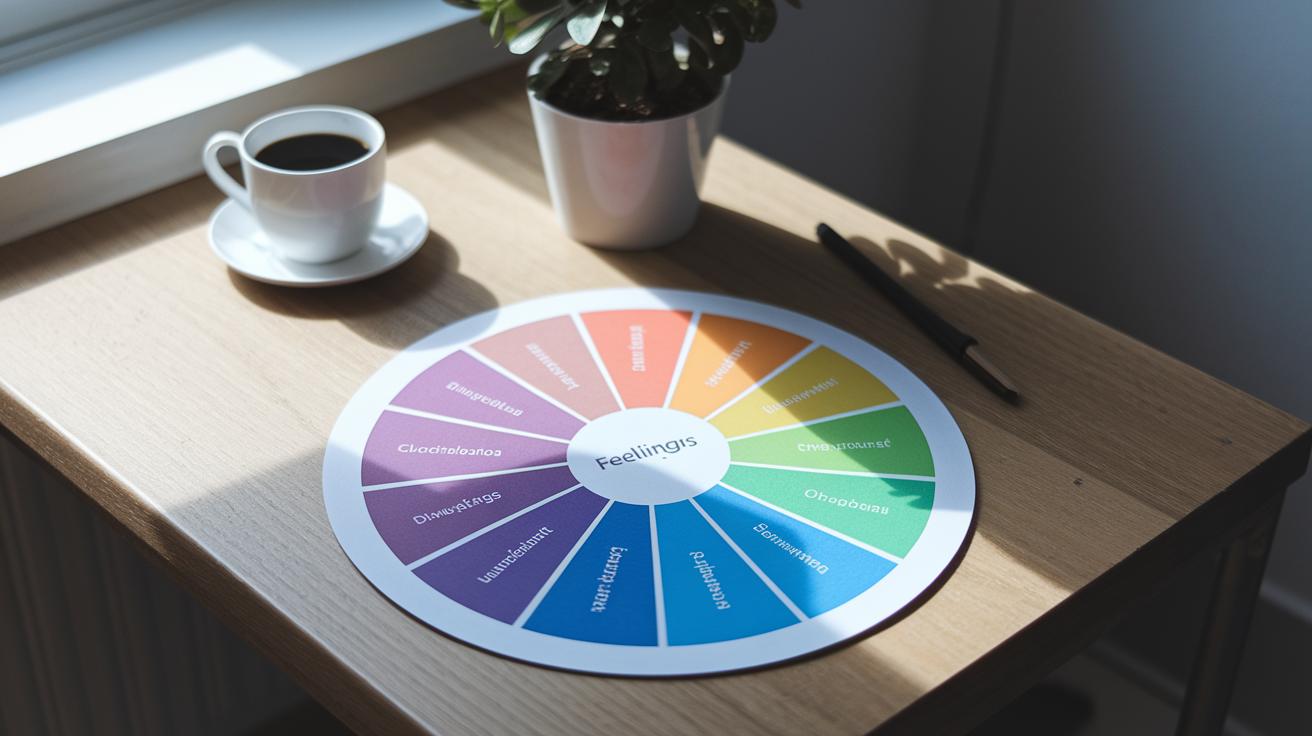
Developed by Gloria Willcox, the Feelings Wheel is a vibrant chart that arranges 72 emotions into a colorful, easy-to-read circle. At its core, it centers on six basic feelings: sad, angry, scared, happy, strong, and calm. The wheel’s simple design helps you quickly spot and share what you’re experiencing.
Imagine feeling a mix of emotions, starting in the center and then moving outward until you find the perfect word to capture your mood. And here’s a surprising tidbit: Before becoming a world-renowned scientist, Marie Curie used to carry test tubes of radioactive material in her pockets! It’s a quirky reminder that sometimes, little shifts in understanding can lead to big changes.
Many people use the Feelings Wheel during therapy, while journaling, or even during quiet moments of reflection. This handy tool breaks down complex emotions into bite-sized pieces, making it easier to understand exactly what you’re feeling and why.
Over time, it can help you notice patterns and manage your emotions more effectively by exploring each layer of your feelings. So whether you’re chatting with a friend or taking some time for yourself, the Feelings Wheel turns overwhelming emotions into clear, actionable insights.
Structure and Design of the Feelings Wheel: Exploring the Emotion Circle
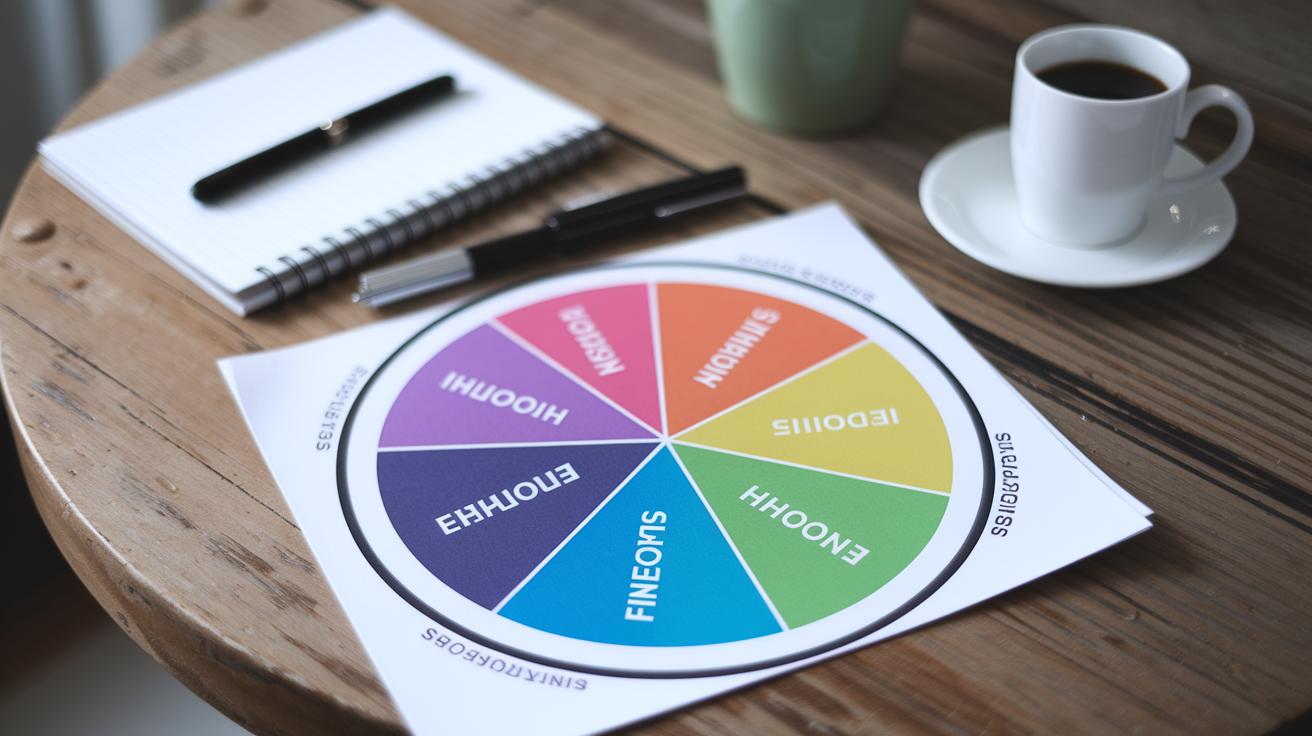
The Feelings Wheel is a simple tool to help you understand and share your emotions. It is built with three rings that work together to make sense of how you feel. At the very center, you find six main emotions that form the base for exploring deeper feelings. Each of these core emotions is given a bold color, which makes it easy to recognize them right away. Plus, you can download a high-resolution PDF for free so you always have a visual guide nearby.
- Sad
- Angry
- Scared
- Happy
- Strong
- Calm
The middle ring builds on these main feelings by grouping together related secondary emotions. This extra layer acts as a bridge from the clear, core feelings to the more detailed ones on the outer ring. The outer ring takes it further, breaking down your feelings into 72 very specific emotions. By moving from the center outwards, you can slowly narrow down exactly what you feel and why. This step-by-step process makes it easier to understand the nuances behind your emotions while also supporting better self-expression and communication. The clever mix of color coding and layered design turns complex feelings into a clear, organized visual tool.
Step-by-Step Guide to Using the Feelings Wheel

Step 1: Download or Access the Wheel
Start by getting a version of the Feelings Wheel, either as a digital file or a printout. You can download a high-quality PDF from a trusted wellness website or view it on your device. Having a clear copy on your phone or computer makes it easy to glance at whenever you need a quick check on your emotions.
Step 2: Internal Check-In
Take a moment to pause and notice what’s going on with you right now. Tune into your thoughts, body signals, and even your actions. Think of this as a mental snapshot that helps you recognize your current mood, setting the stage for using the wheel to figure out your feelings.
Step 3: Label Emotions
Begin at the center of the wheel where basic feelings reside, then move outward to find the specific emotion that fits your experience. This step helps transform a vague sense of emotion into a clear label, making it easier to understand and eventually share your feelings with others.
Step 4: Reflect and Journal
Grab a journal and write down what you’re experiencing. Note the intensity of your emotions along with any thoughts or physical cues you notice. For example, you might record that you felt a mix of sadness and calmness. This habit not only boosts self-awareness but also helps track your feelings over time.
Step 5: Communicate and Act
Talk about what you’ve discovered with someone you trust, a friend, therapist, or family member. Sharing your feelings can validate your experience and even spark ideas for managing them. Let the Feelings Wheel guide your conversation and inspire small actions that support your emotional well-being.
Digital and Printable Resources for Emotional Awareness

Tech can make it easier for you to understand your feelings in everyday life. For example, you can try an interactive version of Plutchik’s Wheel of Emotions that helps you spot different feelings in a fun way. There are free PDFs, like the Feelings Wheel and Feelings List, that you can print out to quickly check how you feel. And if you like using apps, some mobile and web-based mood selectors let you track your emotions throughout the day. These tools turn complicated feelings into easy-to-read charts that give you a clear picture.
If you enjoy having choices, you might like downloading a mood blueprint or using an interactive affect chart. By adding these digital tools into your routine, you can easily notice shifts in your moods and trends over time. This means you can pick a tool that works best for you, whether it’s a detailed PDF guide or a modern, always-updating app.
| Resource | Format | Description |
|---|---|---|
| Plutchik’s Interactive Wheel | Online Interactive | Practice spotting a wide range of emotions in a playful way. |
| Feelings Wheel PDF | Downloadable PDF | A printable guide you can use every day to check in with your emotions. |
| Digital Mood App | Mobile/Web App | Track your mood throughout the day with easy-to-use digital charts. |
These resources fit right into your daily life, helping you stay connected to your emotional well-being.
Applications of the Feelings Wheel in Therapy and Daily Life
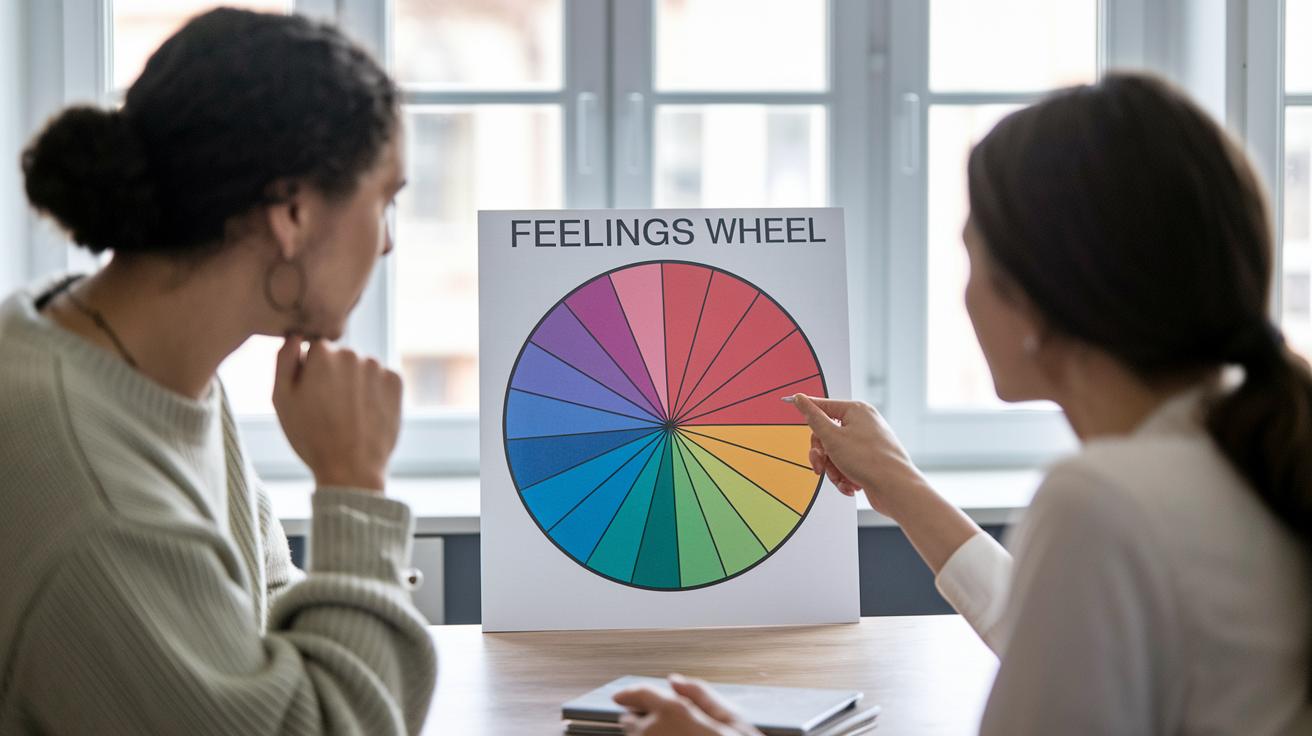
The Feelings Wheel is a simple tool that therapists use to help you pinpoint and talk about your emotions. In sessions, a therapist might ask, "What feeling are you experiencing right now?" and then guide you to pick an emotion from the wheel. This shared language makes it easier to understand how our feelings and actions connect.
Many people also turn the wheel into a journaling habit. By jotting down your emotions each day, you can start to see patterns or changes that hint at deeper challenges or improvements. This little insight can lead to real personal growth.
Families and workgroups have found the wheel to be a useful guide, too. It helps everyone express how they feel, making it easier to build empathy and keep conversations honest. When emotions are simplified with clear words, it’s a lot easier to nurture healthy habits in everyday life.
The great thing about the Feelings Wheel is its flexibility. Whether you’re in a therapy session or doing a quick check-in with loved ones, this tool creates a safe space for sharing. By making emotions more visible and understandable, it helps everyone address issues early, foster stronger bonds, and work together toward a happier, healthier life.
Comparing the Feelings Wheel to Plutchik’s Wheel of Emotions
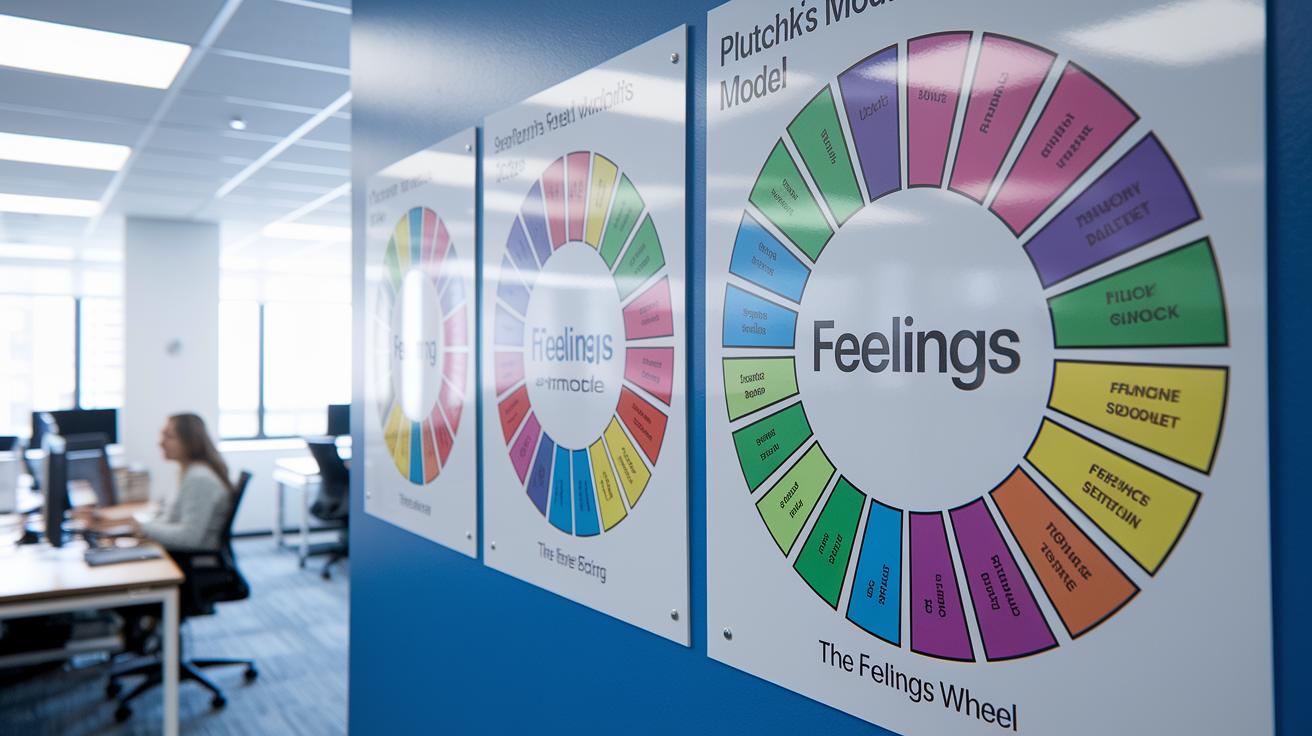
Plutchik’s model gives us eight basic emotions, joy, sadness, acceptance, disgust, fear, anger, surprise, and anticipation. It also ties each emotion to our natural survival instincts. For example, fear alerts us to danger and helps trigger our fight-or-flight response.
On the other hand, the Feelings Wheel, created by Gloria Willcox, starts with six fundamental feelings: sad, angry, scared, happy, strong, and calm. From these, it branches out into 72 more specific emotions. This wider spectrum makes it easier to pinpoint small differences in how we feel and helps us reflect on our emotions in a simple, everyday way.
Both tools are designed to help people understand and label their emotions better. They act as useful guides for self-reflection, letting you see patterns in your mood shifts and talk about your feelings more clearly.
| Model | Primary Emotions | Total Emotions | Focus |
|---|---|---|---|
| Plutchik’s Wheel | Joy, Sadness, Acceptance, Disgust, Fear, Anger, Surprise, Anticipation | 8 | Natural reactions and emotional intelligence |
| Feelings Wheel | Sad, Angry, Scared, Happy, Strong, Calm | 72 | Detailed personal emotional awareness |
These models offer practical ways to explore and understand your emotions. Whether you’re reflecting on your mood at home or explaining your feelings in a discussion, they provide a friendly, science-backed framework to guide you. Ultimately, the choice between them depends on what you’re looking for, simplicity or a deeper dive into emotional details.
Final Words
In the action of exploring our moods, we unraveled the design and benefits of the feelings wheel. The article broke down its vibrant structure, guided you through simple steps to label your feelings, and shared useful digital and printable resources for everyday use. It also weighed this tool against similar models to sharpen emotional insights. Embrace this tool as a way to boost self-awareness and enjoy a refreshing shift in your everyday health and wellness.