
Have you ever wondered how to naturally ease PCOS symptoms and help your body feel more balanced? Many women deal with irregular ovulation (which means the egg isn’t released on time), unexpected weight changes, and mood swings that can really throw you off. A whole-body approach can make a big difference. By mixing a tailored weight plan, a nourishing diet, stress management techniques, and gentle therapies, you might see real improvements. Ready to try a natural way to feel more balanced?
Holistic Approaches to PCOS Treatment

When dealing with PCOS, you might notice signs like uneven ovulation, higher than normal testosterone, and several tiny cysts on the ovaries. These issues can sometimes lead to weight gain around the middle, acne, unwanted hair growth, mood changes, and irregular or heavy periods. Instead of simply hiding these signs, a natural approach strives to balance the hormones that are off track.
Taking a holistic approach means looking at the whole picture and working on the root causes. It’s like tackling a puzzle by addressing different pieces at once. Combining a tailored weight management plan, a diet rich in whole, low-glycemic foods (foods that don’t spike your blood sugar), stress-reduction methods, and carefully chosen herbal supplements along with therapies like acupuncture or yoga can help regulate your hormones and boost your overall reproductive health.
- Personalized weight management plan
- Whole-food, low-glycemic nutrition
- Stress management techniques
- Targeted herbal and micronutrient supplementation
- Integrative therapies (like acupuncture or yoga)
Each of these elements plays a part in creating balance inside your body. Even losing a little extra weight can help improve ovulation, while a nutrient-packed diet works to keep insulin levels steady and lower inflammation. Managing stress helps calm unnecessary cortisol spikes that might throw your hormones off balance. Meanwhile, targeted supplements and mind-body therapies help guide your system back to equilibrium. In the end, this combined approach supports your endocrine system, leading to more regular cycles and better overall wellbeing.
Have you noticed how little adjustments in your routine can sometimes make a big difference?
PCOS Treatment Holistic: Embrace Natural Harmony
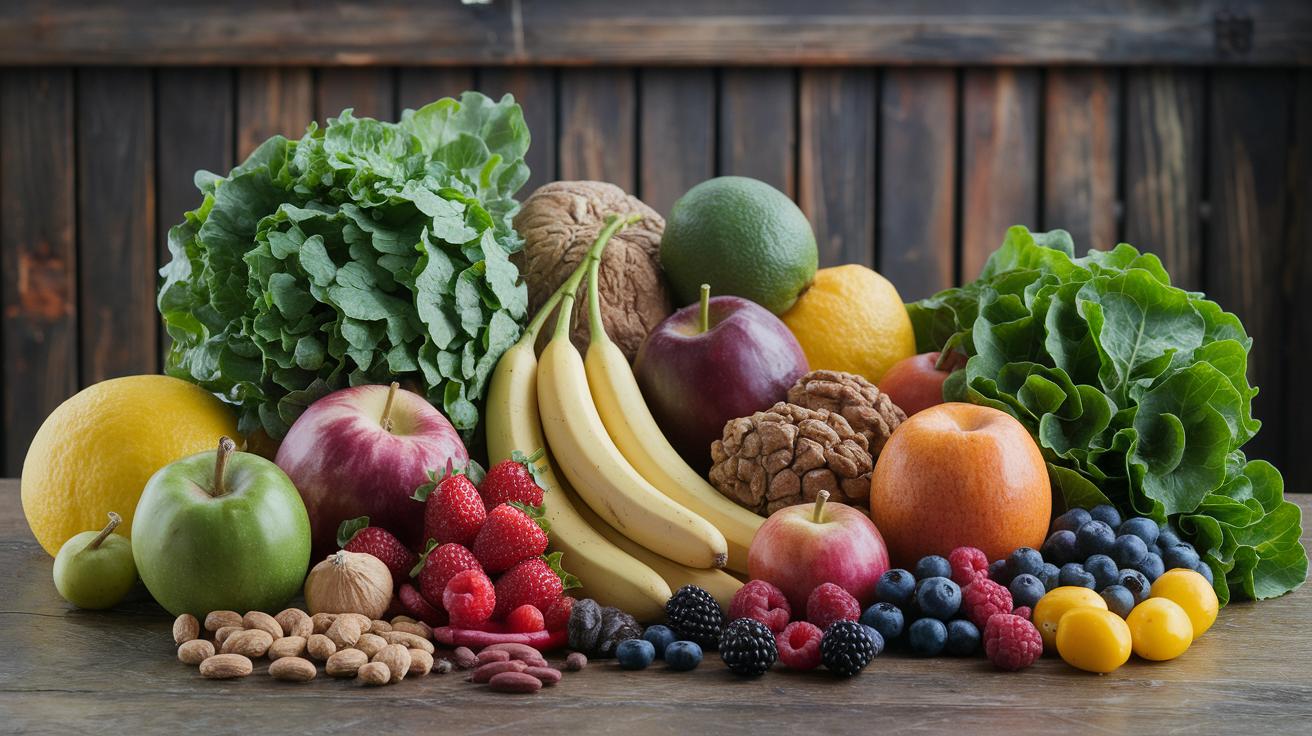
Eating well is a key step in balancing hormones and easing inflammation when managing PCOS. Fresh, whole foods, think fruits, veggies, and natural proteins without additives, can help keep your blood sugar steady and your metabolism happy. When you choose unprocessed complex carbs along with lean proteins, you give your body a steady supply of energy while keeping insulin spikes at bay. This way, your hormone production stays on track and your body feels more balanced overall.
- Leafy greens like spinach and kale
- Fatty fish such as salmon and mackerel
- Nuts and seeds like walnuts and chia
- Olive oil
- Berries including blueberries and raspberries
- Legumes such as lentils and chickpeas
- Fermented foods like yogurt and kimchi
- Coconut products like oil and milk
Planning your meals around these natural ingredients can really set a supportive rhythm for your body. In truth, keeping a consistent eating schedule with similar portion sizes helps maintain balanced blood sugar throughout the day. Many people even find that switching to dairy-free or gluten-free options makes a big difference for their hormone stability, all without losing flavor or nutrition. Pairing nutrient-dense choices, like omega-rich fish with fiber-packed legumes, builds a solid bridge to better metabolic health. For more down-to-earth tips on planning your menu, check out the advice at Balanced Diet for Healthy Lifestyle.
PCOS Treatment Holistic: Embrace Natural Harmony

If you struggle with PCOS, getting a good night's sleep is like giving your body a fresh start every day. Many women with PCOS notice that sleep issues can mess with important hormone levels such as cortisol (a hormone that helps manage stress). Sticking to a regular routine, keeping your room cool and dark, and cutting back on screen time before bed can really help reset your body. Even small tweaks to your sleep can set the stage for better hormone balance and overall health.
Adding exercise into your day offers more than just burning calories. Workouts like high-intensity interval training (short bursts of hard effort mixed with recovery periods) and strength training can help reduce insulin resistance and lower high cortisol levels. At the same time, gentle activities like yoga or Pilates not only boost flexibility and balance but also support reproductive health. If you're interested in a calm, hormone-friendly workout plan, check out the inspiring routines at mind body and yoga.
Managing stress is another crucial piece of the puzzle. Simple techniques like mindfulness, meditation, or deep breathing can lower stress and keep hormones steady. Try a basic breathing exercise: breathe in slowly for four counts, hold briefly, then exhale for six counts. Repeat a few times, and you might notice a calming shift. These mindful moments help reduce cortisol spikes and keep your hormonal system in balance, supporting your wellbeing every day.
Herbal & Supplement Protocols in Holistic PCOS Treatment
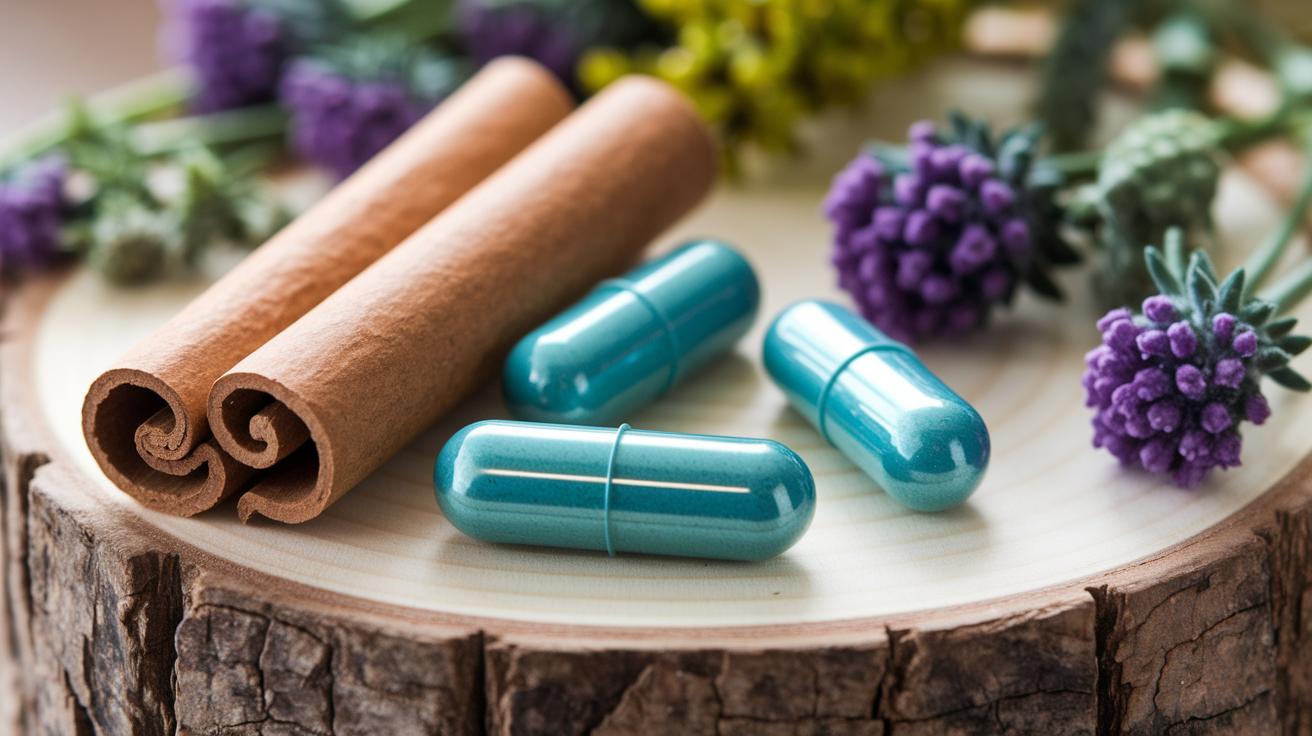
Managing PCOS naturally can feel like a puzzle, but adding the right supplements might just be that piece you need. A few natural ingredients work wonders on insulin resistance (how your body uses sugar), menstrual cycles, and even fertility. Take cinnamon, for example, it helps keep blood sugar levels steady, while zinc may ease issues like hair loss. And then there are adaptogen herbs, like maca root and holy basil, that can mellow out stress hormones and balance blood sugar, helping to keep your hormones on track.
Below is a table summarizing six top supplements often included in a holistic PCOS plan:
| Supplement | Primary Benefit | Typical Dosage |
|---|---|---|
| Cinnamon | Boosts insulin sensitivity and may help regularize periods | 1-2g per day |
| Zinc | May support fertility while reducing hair loss | 15-30 mg per day |
| Evening Primrose Oil | Helps balance hormones and improve skin condition | 500-1000 mg per day |
| Vitamin D with Calcium | Supports bone strength and hormone regulation | 1000-2000 IU Vitamin D; 500-600 mg Calcium |
| Berberine | Promotes metabolic function and addresses insulin resistance | 500 mg, 2-3 times daily |
| Inositol | Improves ovarian function and fertility | 2-4g per day |
When choosing supplements, going for high-quality products is essential. Look for brands that have been third-party tested to confirm their purity and strength. And remember, it's a wise idea to chat with a healthcare professional before starting something new. They can help tailor the right dosages for you and make sure these supplements mix well with your overall plan.
Alternative Therapies for Holistic PCOS Treatment

Acupuncture can help keep your ovaries healthy by balancing hormones and improving how your body processes energy. Regular sessions can ease muscle tension and boost blood flow, which may help your reproductive system feel more supported.
Also, lowering your exposure to harmful chemicals found in plastics, personal care products, and household items is key. When you choose non-toxic alternatives, you reduce the risk of chemicals messing with your body’s natural functions, making your space a cleaner and healthier place.
There are also traditional home remedies that work well with acupuncture. For instance, sipping detox teas can gently help your metabolism recover, and massages with sesame or coconut oil can calm sore muscles and support your lymphatic system. Even dry brushing not only removes dead skin cells but might help your body release toxins too.
These practices, along with following an Ayurvedic diet, create a natural plan that helps balance your hormones. Together, these therapies offer a fresh, whole-body way to manage PCOS symptoms that goes beyond just changing your diet or taking supplements.
PCOS Treatment Holistic: Embrace Natural Harmony

Gracie Norton changed her eating habits after a special integrative medicine test uncovered hidden food sensitivities. She stopped eating refined sugar, gluten, and dairy and swapped them for natural choices like maple syrup and coconut sugar. In just a couple of months, she noticed her PCOS symptoms easing up, and after one year, she felt a remarkable improvement.
Her journey was guided by a health plan tailored just for her, created with the help of a trusted care professional and advice from a Holistic Nutritionist. Regular blood tests helped her adjust her plan, ensuring her changes were safe and effective.
Gracie’s story reminds us to look closely at the foods we eat and choose natural substitutes whenever possible. It’s important to listen to your body through routine check-ups, make small changes over time, and trust in a personalized approach to your health. With patience and informed guidance, a few thoughtful tweaks can bring you closer to better reproductive balance and overall wellbeing.
Final Words
In the action, this post explored a complete view of managing PCOS naturally, melding personalized nutrition, lifestyle shifts, herbal supplements, alternative therapies, and real-life case studies. It showed how a balanced plan is a smart way to tackle symptoms and restore harmony.
Embracing a pcos treatment holistic method helps balance hormones and support everyday health. Every small adjustment can add up to a healthier, more vibrant life. Keep moving forward with optimism and practical choices for your well-being.
FAQ
How to cure PCOS permanently?
The idea behind curing PCOS permanently involves addressing hormonal imbalances with a mix of nutrition changes, lifestyle adjustments, and targeted supplements, while understanding that ongoing management may be necessary for lasting improvement.
What is PCOS treatment for unmarried individuals at home?
The approach for PCOS treatment at home for unmarried individuals focuses on natural methods such as a balanced diet, stress management techniques, and proper supplementation to support hormone balance and overall well-being.
What does a PCOS treatment diet entail?
The PCOS treatment diet entails choosing whole foods with low glycemic impact and anti-inflammatory ingredients like leafy greens and fatty fish, which help regulate insulin levels and promote hormonal balance.
How did one cure PCOS acne naturally?
The method for curing PCOS acne naturally incorporates dietary adjustments, proper skincare, and supplements like zinc to reduce inflammation, leading to clearer skin as part of an overall holistic health approach.
What does PCOS treatment for pregnancy involve?
The PCOS treatment for pregnancy involves closely managing insulin and hormone levels through diet, stress reduction, and doctor-advised supplements to help create a stable environment conducive to conception and healthy pregnancy outcomes.
Which foods should be avoided with PCOS?
The PCOS food list to avoid generally includes refined sugars, processed grains, and high-glycemic foods as reducing these helps prevent blood sugar spikes and supports hormonal equilibrium.
What is included in a 7-day PCOS diet plan PDF?
The 7-day PCOS diet plan PDF offers a structured meal plan featuring balanced macronutrients and anti-inflammatory recipes meant to boost insulin sensitivity and assist with hormonal regulation over a short-term period.
What are the best supplements for PCOS weight loss?
The best supplements for PCOS weight loss might include cinnamon, zinc, inositol, and berberine, which work to improve insulin regulation and reduce inflammation, aiding weight management when combined with a healthy diet.
Can PCOS be treated holistically?
The concept of treating PCOS holistically involves combining dietary adjustments, lifestyle shifts, stress reduction, and targeted supplementation to address the root hormonal imbalances rather than just the symptoms.
What triggers PCOS flare-ups?
The triggers for PCOS flare-ups include factors like poor diet, high stress levels, lack of adequate sleep, and exposure to substances that may disrupt hormones, all of which can intensify symptoms.
What vitamin deficiency is associated with PCOS?
The vitamin deficiency commonly associated with PCOS is low vitamin D, which has been linked to hormonal imbalances and reduced insulin sensitivity; addressing this deficiency may help improve symptoms.
How can you get rid of PCOS belly fat?
The strategy for reducing PCOS belly fat involves a balanced diet, consistent physical activity, and managing stress levels to lower insulin resistance and encourage gradual, natural weight loss in the midsection.