
Have you ever thought about getting fit using just your body, or wondered if you really need weights and machines to see real progress? Bodyweight training is all about simple moves like push-ups and squats that build strength without needing expensive equipment. On the flip side, weight training lets you measure your progress by gradually increasing the weight, so you can see clear improvements over time. In this guide, we break down the benefits and challenges of each method to help you choose the routine that fits your goals and your lifestyle.
Head-to-Head Comparison: Bodyweight Training vs Weight Training
Bodyweight training uses your own body weight to work several muscles at the same time. You might do push-ups, squats, and pull-ups, which help build real-life strength, balance, and smooth movement. It’s easy to start because you only need a simple pull-up bar or resistance band. This approach feels safe when you focus on proper form. Still, as you get stronger, it can be tricky to really up the challenge, and some muscles, like those in your legs, might not get as much focused work.
Weight training, on the other hand, involves tools like free weights and machines to work on one muscle group at a time. For example, sticking with the same 15-pound dumbbells week after week clearly shows you’re getting stronger. It’s a favorite method if you want to build muscle big time and track your progress easily. However, it comes with higher equipment costs, requires good technique to avoid injuries, and often needs a dedicated space, like a gym.
| Bodyweight Training | Weight Training |
|---|---|
|
Benefits: Easy to access, low cost, and builds full-body, functional strength.
Drawbacks: Harder to gradually increase resistance, and leg work might not be as precise. |
Benefits: Offers clear step-by-step load increases and targets specific muscles for growth.
Drawbacks: Needs pricier gear, careful technique to stay safe, and usually calls for a gym setup. |
Both styles help boost strength, shed weight, and grow muscle when you take a smart, steady approach. If you value simplicity and portability, bodyweight training might be just the ticket. But if you’re after a structured plan with measurable progress and focused muscle work, weight training could be the better option for you.
Muscle Activation and Adaptation in Bodyweight vs Weight Training
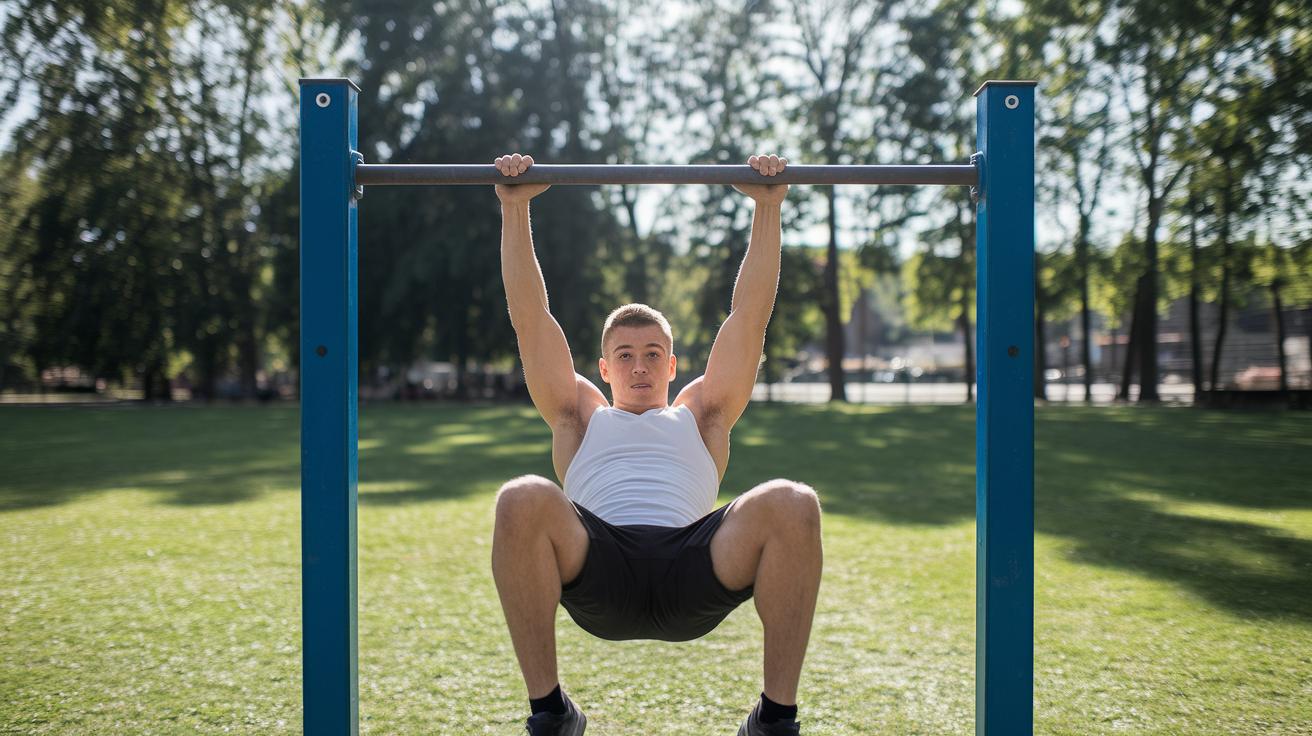
Bodyweight workouts naturally engage many different muscles and stabilizers, so every move feels like a full-body challenge. When you do chin-ups or diamond push-ups, your arms get a workout while your core works to keep your body steady and balanced. Think about it like this: during a push-up, your chest, shoulders, triceps, and abs all work together, giving you a real group workout that boosts joint stability and balance.
Weight training, on the other hand, lets you focus on specific muscles with careful, controlled movements. When you use free weights or machines, you can manage both the lifting phase (when your muscles contract) and the lowering phase (when they relax). For example, doing a bicep curl with dumbbells is all about targeting the biceps with controlled motion to make each contraction count and help shape those muscles.
Over time, your muscles adjust in different ways depending on which method you choose. With weight training, you keep challenging your body by gradually adding more weight, a method known as progressive overload that encourages muscle growth. In bodyweight exercises, you might change your leverage or add more repetitions to keep making progress. Both methods are effective, so you can pick the one that best fits your fitness goals and keeps you motivated.
Accessibility and Equipment Needs for Bodyweight vs Weight Training
Bodyweight training opens up a world of creative, budget-friendly fitness options. Instead of splurging on fancy gym equipment, you can get by with simple tools like a pull-up bar or resistance bands that often cost less than $30. Everyday items also work wonders, for example, a sturdy chair can double as a step-up platform or help you do tricep dips. I remember using my dining chair on a tight budget, and it really did the trick. Plus, local parks offer free spaces where you can get a solid workout without spending a dime.
Gym-based weight training, on the other hand, usually means investing in specialized equipment and paying membership fees. A typical gym membership can run between $20 and $50 a month, and setting up a home gym might even exceed $500, based on what you need. When space is tight, get creative with ideas like adjustable dumbbells or using water containers as weights. One fitness enthusiast once shared how he transformed his small living room with compact, adjustable gear that saved money and fit perfectly, proving that even limited space can yield powerful workouts.
Evaluating Strength, Hypertrophy, and Fat Loss in Bodyweight vs Weight Training

Weight training is a favorite when it comes to building muscle and boosting your metabolism. As you slowly increase the weights, your muscles get a solid workout and your body burns more calories even after you finish. This way, you can target specific muscles with exercises that make them really work. For example, adding weight bit by bit leads to clear strength gains. Plus, this focused method not only sculpts the muscles you want but also keeps your energy burning as your body recovers.
| Metric | Bodyweight Training | Weight Training |
|---|---|---|
| Strength Gain | Builds overall, functional strength across multiple muscles | Targets individual muscles with added weight for a stronger effect |
| Hypertrophy Potential | Some limits due to no gradual resistance overload | Allows systematic weight increases to boost muscle growth |
| Immediate Caloric Burn | Keeps you active with full-body, dynamic movements | Burns moderately during the workout, but more after finishing |
| Post-Workout Calories | Offers a smaller after-burn effect | Raises metabolic rate which burns extra calories post-exercise |
On the other hand, bodyweight training shines at keeping your calorie burn high right during the workout with constant, lively movements. The table shows that while weight training is excellent for steady muscle gains and a calorie boost after exercising, bodyweight routines are perfect for an immediate, strong fat burn. Each method comes with its own benefits, so choose based on whether you want targeted muscle growth with extra resistance or a quick burst of calorie burning combined with endurance and overall strength.
Customizing and Progressing Bodyweight vs Weight Training Programs
Creating a workout plan means matching your exercises to where you are now and then gently challenging yourself more. For example, if you're just starting out, you might focus on bodyweight moves. Begin with exercises like incline push-ups and work your way up to regular push-ups, gradually adding more repetitions. On the other hand, weight training often starts with a set plan, like doing three sets of eight reps with light weights. This structured approach helps new exercisers feel confident. As you get fitter, you can mix in more advanced strategies and even use a 4-week plan to really see progress.
Bodyweight Progression Strategies
Start with the basics and slowly change the angle or leverage of your moves to make them tougher. For instance, you might begin with incline push-ups, then shift to standard push-ups as your core grows stronger. Soon, you can try more challenging variations like pistol squats or planche variations. Over time, add more repetitions or sets, but always keep your form correct to ensure you're working the right muscles safely.
Weight Training Progression Techniques
When starting weight training, choose weights that feel comfortable and follow a routine like three sets of eight reps. Gradually increase the load, a strategy sometimes called micro-loading, to build strength steadily. You can also plan your workouts in cycles, using approaches that change the intensity each week over a 4-week period. Beginners may want to check out simple strength training guides to get started. Ultimately, pick the method that best fits your goals and what feels right for you.
Managing Risk and Recovery in Bodyweight vs Weight Training
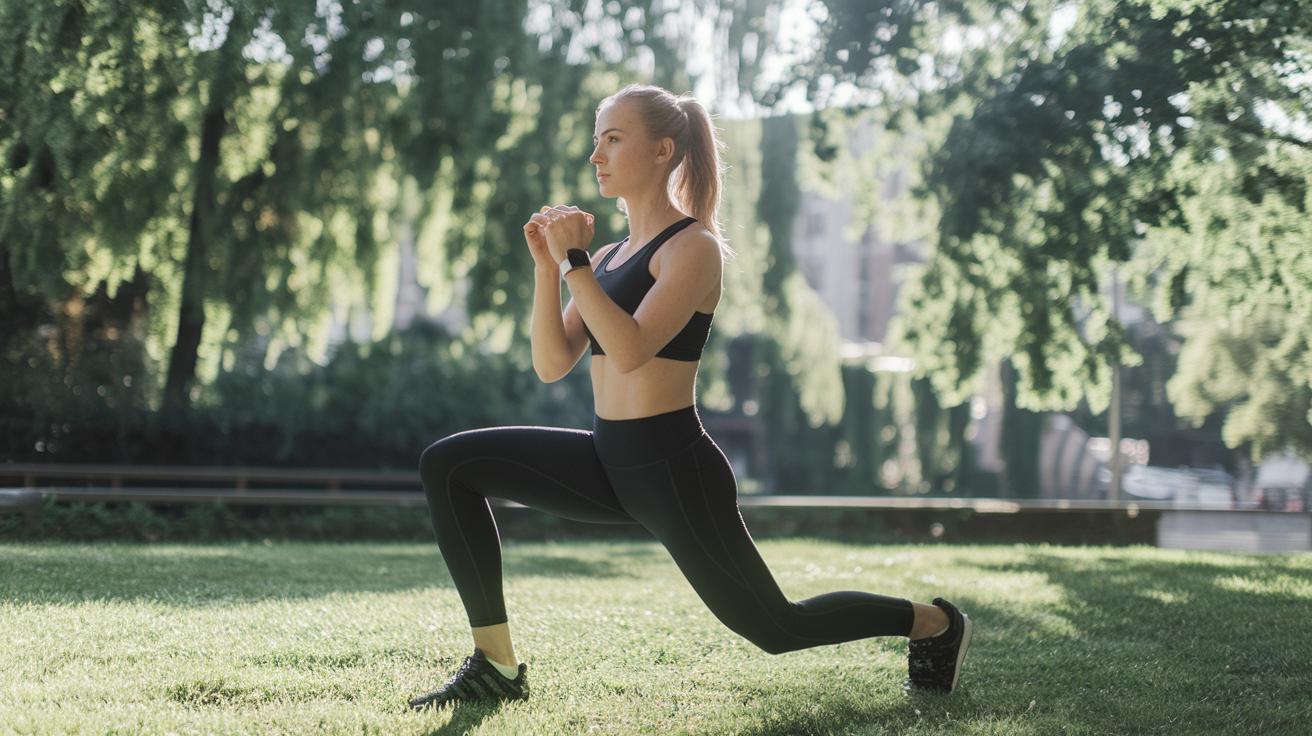
Bodyweight exercises are usually easier on your joints since you're using your own weight instead of heavy loads. Still, even a simple move done with sloppy form might lead to a twist or small injury. And weight training can put extra pressure on your shoulders, knees, and back if you aren’t careful with your technique. Keeping your form steady and being aware of each movement goes a long way in keeping you safe.
When it comes to recovery, bodyweight workouts generally need about one to two days to recharge your muscles. Weight training, on the other hand, might need two to three days to give your muscles enough time to repair. Adding a few mobility drills, foam rolling, or a bit of gentle stretching after your workout can really help ease muscle tension and speed up the bounce-back process.
Listening to your body is key when you’re building a consistent workout routine. Balancing the intensity of your exercises with proper rest not only helps protect your progress, but it also lays down the groundwork for long-lasting strength and overall wellness.
Bodyweight Training vs Weight Training: Boost Your Gains
Hybrid workouts mix both bodyweight moves and free weights so you can enjoy a balanced, efficient routine. They help you practice real-life movements while letting you add more weight as you get stronger. When you blend calisthenics (exercises using your body weight) with weight training, you're tapping into the flexibility of natural moves and the focused strength gains of weights. Over time, you might feel more steady, balanced, and powerful as your body adapts. This blend offers a varied, budget-friendly way to keep your workouts fresh without sticking to just one method.
Imagine starting with a set of weighted squats, then flowing into a series of bodyweight lunges to boost your lower-body strength. Next, try circuit days where you switch between push-ups and dumbbell presses so your upper body works hard while your heart rate stays up. And why not mix things up with HIIT sessions that combine explosive plyometrics (fast, jumpy moves) with kettlebell swings for a quick, full-body burst? No matter if you're working out at home, at the gym, or on the move, these routines fit right into your busy schedule.
Final Words
In the action, we explored bodyweight training vs weight training by weighing their respective strengths. We broke down everything from muscle activation and equipment needs to progression tactics and recovery routines.
Our expert-backed look at real-world benefits and challenges shows that both methods can be mixed for a balanced, effective plan. This clear comparison leaves you ready to move forward with a positive mindset and confidence in your next workout step.