
Have you ever thought that gaining weight means dumping on greasy snacks? It's not that simple. Gaining weight the smart way means choosing foods that are high in both calories and essential nutrients. These foods help build muscle and give you the energy to thrive. Each meal combines protein (the building blocks for strong muscles), carbs (fuel for energy) and healthy fats (good for your heart) to create a balanced, energizing plan for your body.
In this guide, we'll chat about how making thoughtful food choices can help you reach your weight goals without compromising real nutrition. Think of it like preparing for a refreshing burst after a good workout, the right fuel makes all the difference.
Key Principles of a Balanced Diet for Weight Gain
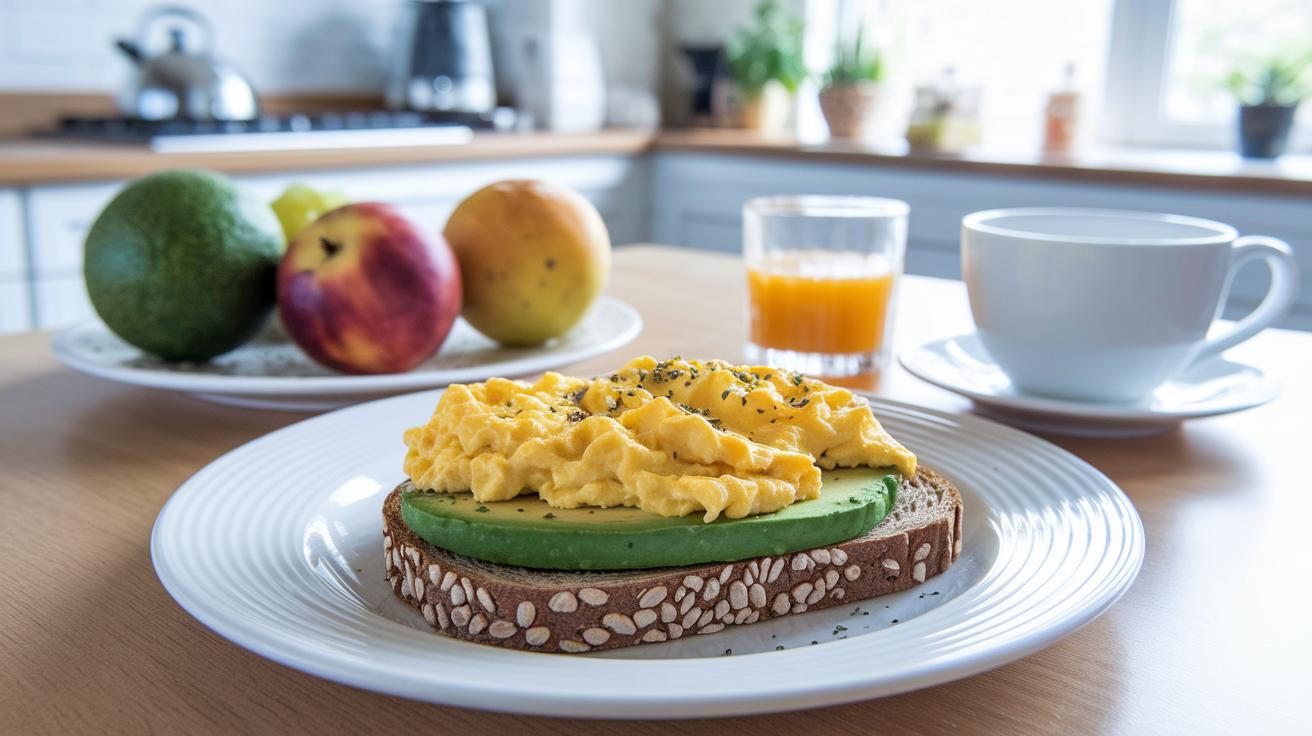
Healthy weight gain starts with eating more calories than you burn, but it’s not just about eating extra food. It’s about choosing nutrient-packed options that truly support your body. By opting for calorie-dense, wholesome foods instead of processed snacks loaded with sodium, unhealthy fats, and extra sugar, you create a strong base for muscle building and overall well-being.
A balanced plate includes all three major macronutrients. For instance, lean meats, dairy, or legumes offer proteins, which help repair and build muscle. Carbohydrates from whole grains and starchy veggies provide the energy you need for everyday activities. And healthy fats from nuts, seeds, or avocado deliver extra calories and help balance your hormones. Try mixing scrambled eggs with avocado on whole grain toast, it’s a tasty way to fuel your muscles and power through your day.
When each meal brings together proteins, carbs, and fats, you hit your calorie goals while getting the vital nutrients your body deserves. Think of each meal as a puzzle where every piece, be it protein, a carb, or a fat, fits perfectly into a nourishing picture.
If you need a bit of extra guidance, consider chatting with a dietitian. It’s like fine-tuning your favorite recipe; even small adjustments in ingredients or portions can make a big difference. This smart, balanced approach helps you gain weight gradually while keeping nutrient deficiencies at bay.
Macronutrient Breakdown in a Balanced Weight Gain Diet

Protein, carbohydrates, and fats are all key players when it comes to building muscle and keeping your energy up. Protein-packed meals are what help build strong muscles. For example, a 170 g steak gives you about 49 g of protein, 456 calories, and 5 g of leucine (a building block that helps repair muscles). Red meat like this is a powerhouse for muscle growth. Meanwhile, dairy milk delivers a natural mix of protein, carbs, fats, and essential vitamins. Whole eggs pack around 74 calories each and offer both high-quality protein and healthy fats. And Greek yogurt? It’s a creamy, nutrient-rich snack that works wonders, imagine starting your morning with a bowl of Greek yogurt topped with fresh fruit. It not only fuels your muscles but also pampers your tastebuds.
Carbohydrates are just as important. Whole grains, legumes, and starchy vegetables give you steady energy. Think of a warm bowl of cooked white rice or a serving of oats: they provide the fuel that helps you power through workouts and daily tasks.
Healthy fats also play a vital role. A small handful of almonds, about ¼ cup, gives you roughly 170 calories, 6 g of protein, 4 g of fiber, and 15 g of fat, which can help you reach your calorie goals while supporting overall health. Fatty fish like salmon is another great option. Not only does it pack high-quality protein, but it also offers omega-3 fatty acids (fats that help reduce inflammation and support heart health) to back up your metabolism and recovery.
Each nutrient, chosen with care, works together to help you gradually build lean muscle and enjoy a more vibrant, energetic life.
Essential Food Groups and Portion Sizes for Healthy Weight Gain
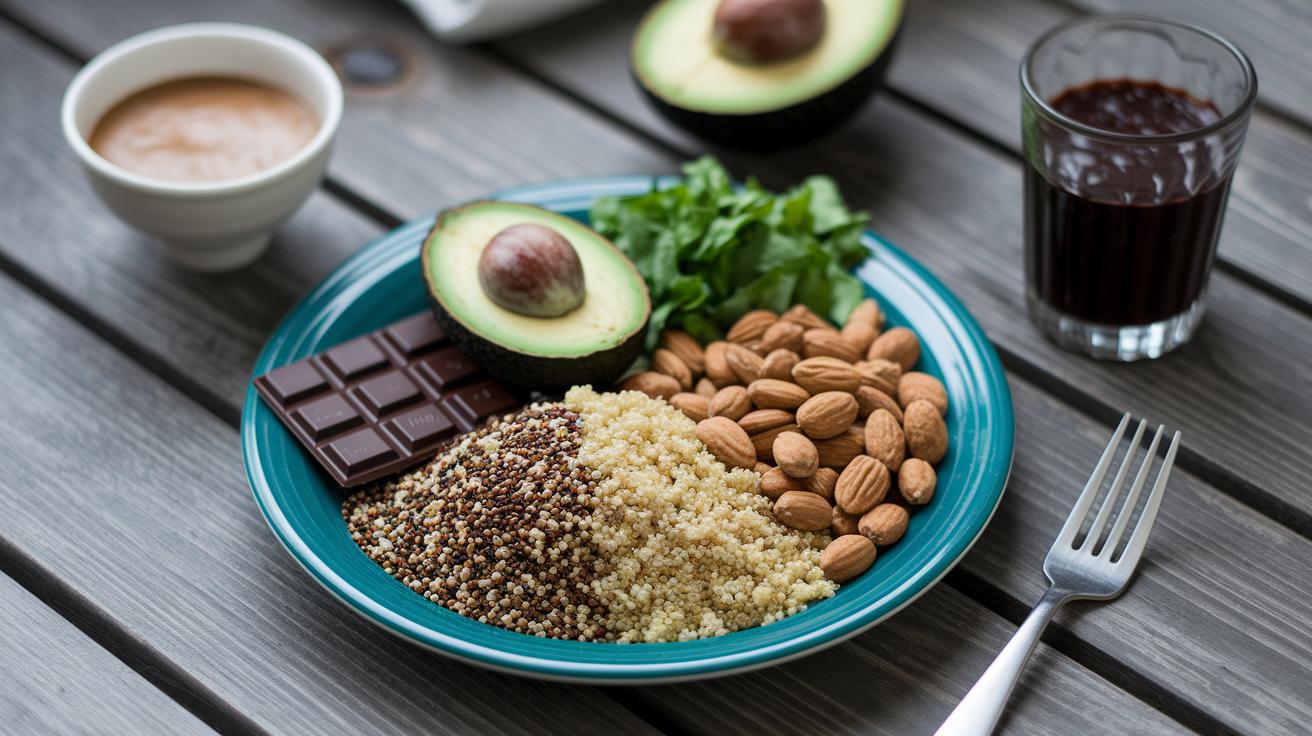
Eating to gain weight does not mean you need to fill up on unhealthy stuff. Instead, think of it like building a solid team of nutrient-packed foods where each food group has its own star role. Carbs give you the power boost you need, proteins help repair and grow your muscles, and healthy fats (like those in avocado) add extra calories in a smart way. Even your snacks can be a game changer if you pick them mindfully.
Below is a simple table showing five main food groups. It lists example foods, common portion sizes, and their approximate calories to help you put together meals that work for you. Think of your meal like a puzzle, each piece adds up to a complete, balanced dish.
| Food Group | Example Foods | Portion Size | Approx. Calories |
|---|---|---|---|
| Carbohydrates | White Rice, Potatoes, Quinoa, Oats, Legumes | 1 cup (e.g., 158 g white rice) | ~204 calories |
| Protein Sources | Red Meat, Eggs, Cheese, Fish | 170 g steak / 1 large egg / 1 oz cheese | ~456 calories (steak example) |
| Healthy Fats | Avocado, Olive Oil | Half an avocado / 1 tbsp oil | ~120 calories |
| Snacks | Nuts, Nut Butters, Dried Fruits, Whole Grain Bread | About 1 oz serving | ~170 calories |
| Treats & Extras | Dark Chocolate (70% cacao or more) | 40 g piece | ~220 calories |
Next, check out the "Balanced Diet Food List" for more ideas on what to eat. Imagine your meal as a carefully assembled dish where every bite plays its part, like enjoying a spoonful of creamy nut butter on whole grain bread that is both a treat and a boost for your body.
7-Day Balanced Meal Plan for Nutrient-Rich Weight Gain

This plan gives you three meals and two snacks each day. It’s packed with nutrient-rich foods that help you gain weight healthily by providing the calories your body needs along with proteins, fats, and vitamins.
Imagine starting your morning with a warm bowl of oatmeal topped with slices of banana and a dollop of peanut butter. This simple treat gives you a natural energy boost and supplies healthy fats to fuel your busy day.
For lunch and dinner, you’ll enjoy dishes loaded with lean proteins, whole grains, and a rainbow of vegetables that help repair and build your muscles. And when hunger strikes between meals, snacks like mixed nuts or Greek yogurt with fruit offer a quick pick-me-up that keeps your metabolism active.
Our home-cooked gain plan brings a fresh mix of recipes throughout the week, so each day feels unique. On Day 7, for example, picture sipping a refreshing protein smoothie blended with milk, protein powder, crisp apple, fresh spinach, and rich peanut butter. Other days, you might enjoy familiar favorites like scrambled eggs with spinach to wake up your morning or whole grain pancakes drizzled with maple syrup that brighten up your taste buds.
Every meal is designed to balance the nutrients you need for healthy weight gain without leaving you feeling heavy. Try these flavorful recipes and see how easily they fit into your overall health strategy.
| Day | Breakfast | Lunch | Dinner | Snacks |
|---|---|---|---|---|
| Day 1 | Oatmeal with banana & peanut butter | Turkey & avocado sandwich on whole grain bread | Grilled chicken with quinoa & steamed veggies | Apple slices with almond butter, Greek yogurt |
| Day 2 | Scrambled eggs with spinach | Whole grain pasta with lean ground turkey | Baked salmon with brown rice & broccoli | Mixed nuts, cottage cheese with fruit |
| Day 3 | Smoothie bowl (Greek yogurt, banana, berries, granola) | Chicken Caesar salad with whole grain croutons | Lentil soup with whole grain bread | Hummus with carrot sticks, protein bar |
| Day 4 | Whole grain pancakes with maple syrup & blueberries | Avocado & turkey wrap with spinach | Stir-fried tofu with brown rice & mixed vegetables | Trail mix, whole milk Greek yogurt |
| Day 5 | Bagel with cream cheese | Tuna salad on whole grain bread | Beef stir-fry with bell peppers & quinoa | Banana with peanut butter, cheese & crackers |
| Day 6 | Avocado toast with poached eggs | Quinoa salad with black beans, corn & veggies | Grilled shrimp with whole wheat pasta & side salad | Mixed berries with almonds, protein shake |
| Day 7 | Protein smoothie (milk, protein powder, apple, spinach, peanut butter) | Grilled chicken salad with avocado & chickpeas | Baked cod with roasted sweet potatoes & green beans | Rice cakes with almond butter, cottage cheese with pineapple |
Tracking Progress and Adjusting Your Balanced Diet for Lean Mass Development

When you keep a casual record of your meals and body changes, you're setting up a great foundation for building lean muscle. Start simple by jotting down what you eat and noting portion sizes. This way, you can easily compare the calories you take in with the energy you burn, much like keeping a diary of your food habits.
Take a moment each week to check your weight. If the scale doesn't show the steady gains you were hoping for, it might be time to fine-tune your plan, maybe add a bit more nutrient-packed carbohydrates or extra protein. Balancing your protein, fats, and carbs is key, and a quick glance at food labels can help you see if you’re on track.
Here’s a little tip: After a week of tracking, reflect on your energy levels and how you feel during your workouts. If your energy dips, it might be a sign to tweak your calorie intake. And if you're ever in doubt about making adjustments, chatting with a dietitian could clear things up. For more lifestyle advice, check out the Tips for Healthy Living.
Role of Micronutrients and Vitamins in a Balanced Diet for Weight Gain

Micronutrients and vitamins are the secret helpers in your journey to gain healthy weight. Sure, calories and proteins build muscle and fuel your day, but it’s the vitamins and minerals that fine-tune your metabolism and overall wellness. For instance, fruits and veggies loaded with vitamins A and C protect your cells and boost your immune system, while dairy products bring in calcium and vitamin B12 to keep your bones strong and nerves happy.
Lean meats do more than just supply protein, they also provide iron and zinc, which are key for repairing and growing muscles. And when it comes to nuts and seeds, they’re a great source of magnesium (a mineral that helps relax muscles and produces energy), making every meal count. In truth, focusing on these nutrient-rich options during a calorie surplus helps prevent deficiencies, so instead of reaching for ultra-processed foods, choosing natural ingredients really pays off.
Take a simple snack like carrots with hummus. That satisfying crunch not only tastes great but also delivers vitamin A, which fuels metabolism and supports smooth muscle function. By keeping a balanced mix of micronutrients in your diet, you’re setting yourself up for healthy weight gain that enhances muscle development and overall vitality. Every nutrient truly plays its part in your transformation.
Final Words
In the action, we covered how to build a nutrient-rich meal plan that supports healthy weight gain. We looked at portion control, macronutrient balance, and the importance of vitamins and minerals. You even got a sample 7-day plan to simplify your approach. By tracking progress and making simple tweaks, you can keep moving toward better wellness. Embracing a balanced diet for weight gain offers a clear path to steady, positive results. Every small change adds a refreshing burst of progress to your health.
FAQ
Frequently Asked Questions
What do balanced diet for weight gain recipes offer?
The balanced diet for weight gain recipes combine nutrient-dense proteins, healthy fats, and carbohydrates to form calorie-rich meals. They often include lean meats, whole grains, dairy, and fruits to build muscle and energy.
How can one gain weight quickly in 7 days at home?
The method to gain weight in 7 days at home uses a balanced plan focused on calorie surplus meals with nutrient-rich options. Consistent snacks and careful portion sizes support a healthy, sustainable boost.
What constitutes a good balanced meal plan for weight gain?
A good meal plan for weight gain typically features three main meals and nutritious snacks. It combines proteins, whole grains, fruits, and healthy fats to gradually increase calories and support energy and muscle growth.
How does a balanced diet for weight gain work for females?
A balanced diet for females centers on nutrient-rich meals with lean protein, whole grains, and healthy fats in portions suited to energy needs. Tailoring these choices to lifestyle and exercise patterns helps achieve healthy weight gain.
What information is included in a balanced diet for weight gain PDF?
A balanced diet for weight gain PDF offers detailed guides with meal examples, food charts, and portion recommendations. It provides ready-to-use tips for tracking calorie intake and maintaining balanced nutrition for steady gains.
What are the best foods to help gain weight?
The best foods for weight gain include lean proteins, whole grains, nuts, dairy, and avocados. These options deliver extra calories, healthy fats, and essential vitamins that support muscle buildup and overall wellness.
How can a skinny person gain weight in a healthy way?
Gaining weight healthily for a skinny person involves gradually increasing calorie intake with balanced meals that include proteins, carbohydrates, and healthy fats. Adding resistance training encourages lean muscle growth and overall strength.