
Ever feel like everything’s piling up right in the middle of your day? Sometimes stress sneaks in when you least expect it. That’s where mindfulness grounding techniques (simple methods using your own senses to calm your mind) come in handy. Picture pressing your feet firmly on the ground when emotions get high or noticing the chill of a smooth, cool object in your hand. Today, we're sharing five practical grounding exercises that give you a quick reset for both mind and body. These easy steps might just be the key to finding your daily dose of calm.
What Are Mindfulness Grounding Techniques?

Grounding is a way to help you feel safe when strong emotions start to take over. Instead of just noticing your thoughts and feelings, grounding uses simple body sensations like touch, sound, or your own breath to bring you back into the moment. For instance, if you're feeling overwhelmed, pressing your feet firmly into the floor can help remind you that you’re safe right now.
This practice works by shifting your focus to the present through sensory experiences. Imagine the cool feel of water in your hand or the gentle hum of a fan, it can calm your mind much like a slow, steady heartbeat. This shift taps into your body's natural relaxation system, which helps lower anxiety and brings a sense of calm.
A grounding session usually takes about 10 to 30 minutes. In that short time, you might notice your heart rate slows down and your mind becomes clearer. Think of it as a quick reset button that lets you step away from stress and find balance during your day.
5 mindfulness grounding techniques Inspire Daily Calm

Sometimes life feels a bit overwhelming, and a few mindful exercises can help bring you back to the present. These techniques are all about tuning into your thoughts, your body, and your breath. Picture your mind as a calm lake where even the tiniest ripple settles quickly with each mindful breath.
-
Awareness of drifting thoughts (5–10 min)
Set aside a few minutes to notice when your mind starts to wander. Imagine each thought as a gentle cloud passing by. Acknowledge its presence and let it drift off, returning you to the calm center. -
Object-focused attention (5–10 min)
Pick a simple object nearby, a pen, a plant, or even your coffee mug, and take a close look. Feel its curves, notice its texture, and observe its color. It’s a wonderful way to ground yourself and connect with the moment. -
Full-body scan meditation (10–15 min)
Slowly focus on different parts of your body, starting at your toes and working up to your head. Spot any areas of tension or relaxation, much like examining a familiar map. This practice helps you gently reset both your body and mind. -
Breath counting drill (5 min)
Sit quietly and count your breaths, one by one. With every inhale and exhale, if your mind strays, gently bring it back to your breathing rhythm. This steady pattern can act like a calm anchor in a busy day. -
External stimulus check-in (5 min)
Take a brief pause to notice the sounds, sights, or textures around you. Listen to the quiet tick of a clock or feel the soft fabric of your clothes. This simple act draws your attention outward, inviting a sense of grounding awareness.
Each of these techniques offers a short, effective pause to soothe the mind and nurture a sense of calm throughout your day. Give them a try, you might be surprised by the difference a few mindful minutes can make.
Advanced Sensation Focusing Drills for Emotional Stabilization

Have you ever felt overwhelmed by anxiety or trauma and wished for a way to quickly restore your calm? These advanced drills help you reconnect with your body by tuning into everyday sensations. Instead of the broad strokes of typical mindfulness, these exercises focus on tactile details like touch, sound, or visualization. Picture yourself holding a stress ball and noticing its texture, a gentle reminder that you are here, safe, and in the moment, even when your emotions flare.
When distress hits, these drills guide your focus away from racing thoughts toward clear, physical sensations. They usually take just 5 to 15 minutes, a perfect window to reset when feelings intensify. This practical approach not only builds awareness of your emotions but also anchors you back into a sense of safety and control.
| Drill Name | Description & Use Case |
|---|---|
| 5-4-3-2-1 Sensory Method | List 5 sights, 4 sounds, 3 textures, 2 smells, and 1 taste to ground yourself, ideal during panic attacks. |
| Progressive Muscle Relaxation | Tense and then relax muscle groups one at a time to ease physical tension in 10–20 minutes. |
| Somatic Experiencing Drill | Notice bodily sensations without judgment, a technique commonly used in trauma therapy to rebuild safety. |
| Grounding Through Touch | Hold or press a textured object like a stress ball to anchor your attention, even in busy places. |
| Visualization Meditation | Imagine a peaceful scene with vivid sensory details to help steady your emotions. |
When emotions run high, these drills allow you to quickly hit the reset button. Their structured, sensory approach shifts your focus and eases the impact of overwhelming feelings, making them a valuable part of your emotional management toolkit.
Building a Daily Grounding Routine

Kick off your day with a simple mindful habit. Start with a five-minute body scan: close your eyes and slowly shift your attention from your toes to your head, noticing any tight spots that may need some kindness. Pair this with gentle, deep breaths that feel like a quick reset button for your mind. Later in the day, whether after breakfast or post-lunch, pause again for a few deep breaths to keep your stress levels low and your thoughts centered. It’s a small step that can bring big peace throughout your day.
As evening approaches, try winding down with a reflective routine. Sit quietly for a few minutes, listen to the soft sounds around you, and feel the textures of your surroundings. Let your senses guide you back to the present moment. Then, jot down a few simple thoughts about what you experienced, this can help you notice progress over time. Simple reminders like a phone alarm or a habit-tracking app can nudge you to take this soothing pause, helping your body learn to relax and handle daily stress better.
When and Why to Use Mindfulness Grounding Techniques

Sometimes a racing heart, feeling dizzy, or having sweaty palms can hit you suddenly and feel really overwhelming. When these moments come up, grounding techniques are a quick way to regain your balance. For example, simply focusing on your breathing can help break the surge of anxiety. It’s like pressing a pause button on runaway emotions so you can be in the here and now.
Before a big meeting or exam, those nerves might spike and make it hard to think clearly. Using grounding methods just before these events can help calm the jitters and sharpen your focus. Imagine taking a short pause to feel your feet steady on the ground or notice the smooth rhythm of your breath. These small actions can prepare you mentally for what lies ahead.
If you often deal with chronic anxiety or a low mood, weaving these practices into your daily routine can really help over the long haul. By regularly practicing grounding techniques as part of your self-care, you empower yourself to stay balanced throughout the day. Plus, when combined with professional therapy, these exercises build a foundation of calm and stability that supports you every step of the way.
The Science Behind Mindfulness Grounding Techniques
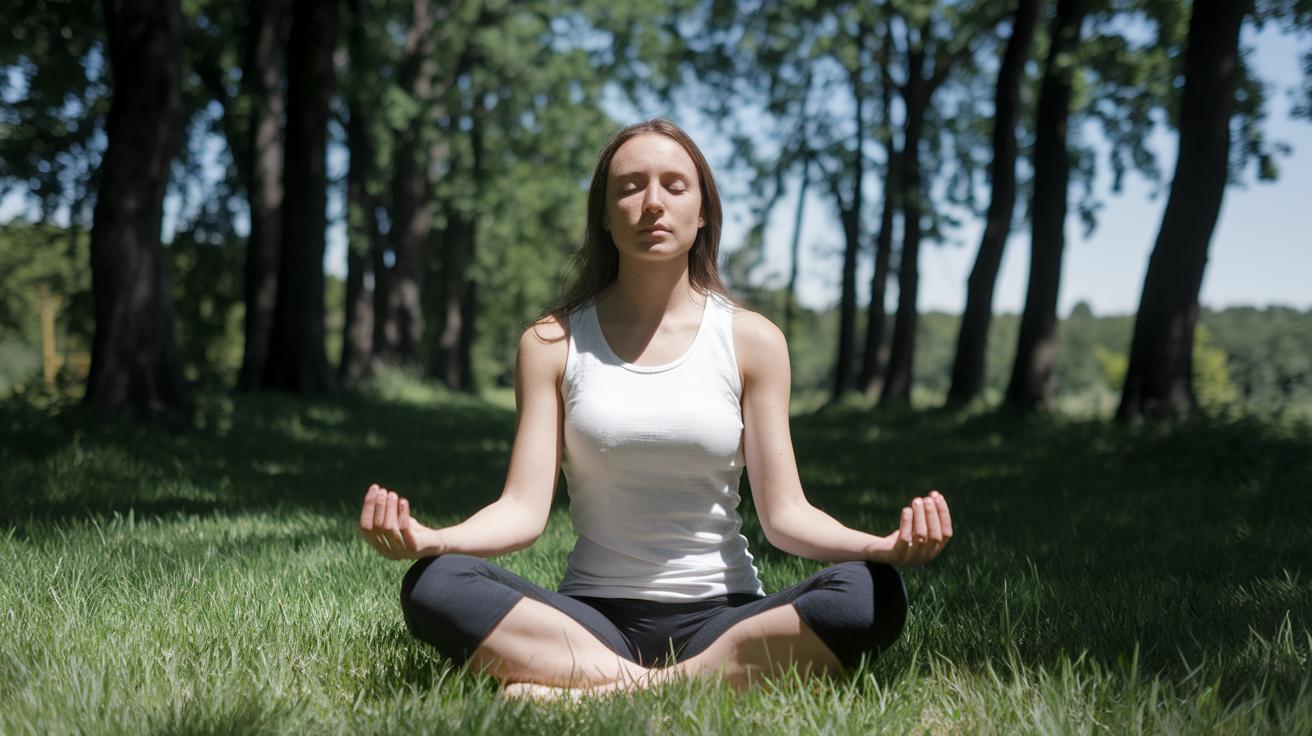
Scientific studies show that grounding techniques help reduce anxiety and boost your ability to deal with stress. In one session, many people report feeling about 30% less anxious. This happens because your heart rate slows down a bit and your cortisol (the stress hormone) drops, which tells your body it’s time to relax. Basically, grounding taps into your parasympathetic nervous system, the part that helps you calm down after stressful events. You might even feel a change in your body's temperature or notice a steadier heartbeat, proving that this practice helps both your mind and body.
On the mental side, regular grounding practice can sharpen your focus and improve how you handle emotions. Over time, these exercises help clear away troubling thoughts, making it easier to think clearly and make good decisions. The quick sense of calm you get from a session isn’t just temporary; with consistent practice, you’ll build a more resilient mindset and enjoy better overall well-being.
Combining Grounding with Mind-Body Practices

Gentle yoga routines can help you feel more anchored by drawing your attention to little sensory details and your own body. When you're in a pose like Warrior II, feel your feet gripping the mat and notice how your breath shifts ever so slightly as you settle in. This focus on posture and the small feelings around you brings your mind right into the present. For instance, as you move into Warrior II, take a moment to sense the floor's texture beneath your feet and the steady rhythm of your breath. These small, powerful cues can create a soothing calm. You might even want to check out more ideas over at Mind Body and Yoga.
Tai chi is another wonderful way to blend movement with grounding techniques through its slow, deliberate motions. Every step, each gentle arm movement, and the careful shifting of your weight encourages a deep bond between your body and mind. As you flow through a tai chi routine, let yourself truly feel the movement in your muscles and the smooth energy transferring from one move to the next. This practice builds a natural inner balance, making it easier to handle stress and keep a sense of calm throughout your day.
Final Words
In the action, this article broke down mindfulness grounding techniques by explaining their use when emotions run high and showing practical exercises for immediate relief. We covered sensory checks, body scans, and specific drills for clear focus, along with simple ways to build daily routines. The piece also touched on science-backed insights and tips for combining these techniques with mind-body practices like yoga and tai chi. Keep trying different exercises and enjoy the calm that comes with each mindful moment.
FAQ
What is grounding in mindfulness?
Grounding in mindfulness means using sensory cues like sight, sound, or touch to shift your focus from overwhelming emotions to the present moment, helping you feel safe and calm.
What is the 5 step grounding technique?
The 5 step grounding technique guides you through a sequence of actions such as acknowledging your feelings, focusing on your breath, engaging your senses, checking your body, and reconnecting with your surroundings for calmness.
What is the 3-3-3 rule in mindfulness?
The 3-3-3 rule in mindfulness directs you to name 3 things you see, 3 things you can touch, and 3 things you hear, which helps center your attention and ease anxiety.
What is the 5 5 5 rule for anxiety?
The 5 5 5 rule for anxiety involves identifying 5 sensory details—5 things you see, 5 sounds you hear, and 5 tactile sensations—to quickly reduce anxiety and restore focus.
Where can I access mindfulness grounding techniques resources like PDFs and videos?
Mindfulness grounding toolkits are available in multiple formats such as free downloadable PDFs and YouTube guides, providing lists and trauma-informed techniques for both anxiety management and adult wellness.