
Have you ever thought that your meals might be the secret to a glowing complexion? Picture biting into juicy, colorful fruits, lean proteins, and hearty whole grains, each bite delivers a burst of nature’s goodness, packed with vitamins and antioxidants (those are natural helpers that protect your cells).
Long ago, people celebrated naturally radiant skin without any modern science to explain it. Today, we’re looking at how turning your everyday meals into simple, nourishing rituals can spark a healthy glow from the inside out.
balanced diet for healthy skin ignites radiant beauty
Eating a whole food diet is like inviting nature to give your skin its daily dose of goodness. Fresh fruits and vegetables, lean proteins, and whole grains supply vitamins, minerals, and antioxidants (natural substances that help protect your cells) that boost your skin’s natural strength and clarity. They even help your body produce collagen and protect against everyday environmental stress. When you choose these wholesome foods, you’re also keeping your skin hydrated and helping your body flush out toxins. It’s interesting to note how cultures that relied on fresh, natural foods often boasted glowing skin long before science explained why.
Key food groups that help your skin look its best include:
- Colorful fruits and vegetables loaded with vitamins and antioxidants.
- Fatty fish like salmon and mackerel, which deliver omega-3 fatty acids (essential fats that support cell health).
- Nuts and seeds that offer healthy fats and important vitamins.
- Whole grains that are full of fiber and minerals for smooth digestion.
- Hydrating foods such as cucumbers and water-rich berries that keep your skin supple.
Mixing these nutrient-packed foods together creates a meal plan that calms irritation, eases inflammation, and supports the natural renewal of skin cells. On the flip side, diets high in sugar and unhealthy fats can upset your skin’s balance, leading to breakouts and a dull look. By making smart, mindful food choices and staying well-hydrated, you set the stage for a complexion that truly reflects inner health.
Essential vitamins and minerals in a balanced diet for healthy skin

Eating a varied diet helps keep your skin healthy by providing a mix of essential vitamins and minerals. These nutrients support collagen production (the protein that makes your skin firm), help renew skin cells, and protect you from the daily wear and tear of the environment. In simple terms, fueling your body with the right foods can leave your skin looking fresh and radiant.
Vitamin A
Sweet potatoes and carrots are great sources of beta carotene, which your body turns into vitamin A. This nutrient plays a big part in refreshing skin cells and guarding against sun damage. Imagine starting your morning with a bright, carrot-infused smoothie, simple, delicious, and gentle on your skin.
Vitamin C
Vitamin C is vital for collagen synthesis and helps your skin fight off harmful free radicals (unwanted molecules that can harm cells). Foods like red bell peppers and strawberries pack a powerful punch of this nutrient. Picture enjoying a crisp red bell pepper salad that not only excites your taste buds but also gives your skin a natural boost from the inside out.
Vitamin E
Almonds and spinach are rich in vitamin E. This nutrient eases inflammation and minimizes oxidative stress (damage from harmful substances), leaving your skin feeling smoother and more cared for. Think of it as the gentle soothing effect you experience after a calming, restorative self-care session.
Zinc
You can find zinc in pumpkin seeds and lentils, and it plays a key role in skin repair and immune health (your body’s natural defense system). It also helps manage inflammation to keep your skin resilient. Just imagine sprinkling a handful of crunchy pumpkin seeds over your salad for an extra layer of skin protection with every bite.
Antioxidant foods for skin regeneration in a balanced diet
Eating a rainbow of antioxidant foods gives your skin a helping hand. They work like little repair kits by neutralizing harmful substances and boosting cell renewal. Plus, when you enjoy a variety of whole, colorful plants, you get essential vitamins, minerals, and natural compounds that protect your skin from everyday stresses.
Imagine a bright plate full of goodness. Sweet potatoes and bell peppers bring warm yellow and orange hues packed with beta carotene and vitamin C to guard your skin from damage. Red treats like tomatoes and red grapes are loaded with lycopene and other natural pigments that help brighten your complexion and support faster cell turnover. Meanwhile, green choices such as spinach and kale deliver chlorophyll and vitamin K, which help your body detox and calm any inflammation.
For a unique twist, blue and purple options like blueberries and eggplant offer special antioxidants that keep your skin looking youthful. And don’t forget white foods, like onions and garlic, that provide polyphenols to manage chronic inflammation.
By adding this spectrum of antioxidant-rich foods to your meals, every bite becomes a nourishing boost. It’s a balanced plan that helps calm irritation from within while giving your skin a fresh, natural glow.
Incorporating omega fatty acids and healthy fats into a balanced diet for healthy skin
Salmon and mackerel are powerhouses of omega-3 fatty acids, natural fats that help ease inflammation (the swelling that can make skin appear puffed) and build a stronger skin barrier. Think of these nutrients as a gentle shield that protects your skin from daily stress while keeping it bouncy and elastic.
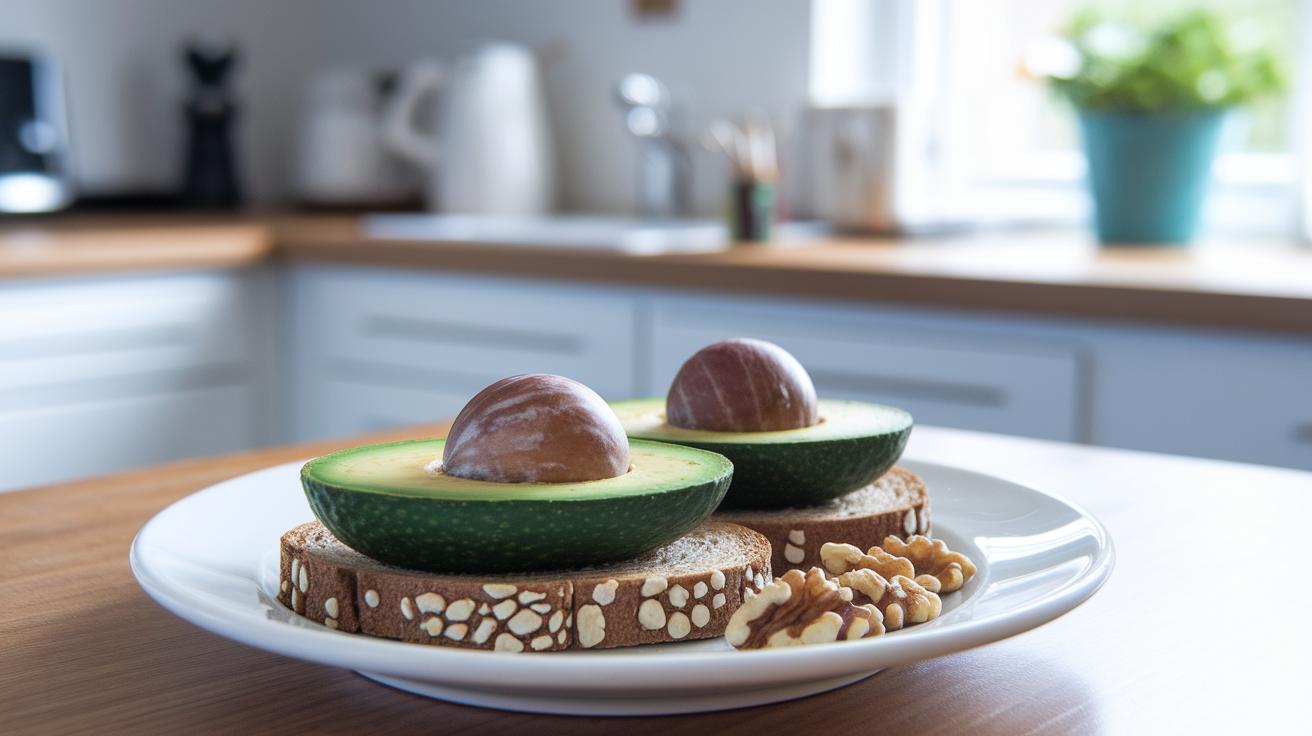
Nuts like walnuts and seeds such as flaxseeds offer plant-based omega fats and vitamin E (an antioxidant that helps keep skin smooth). Imagine sprinkling a handful of walnuts over your breakfast cereal or mixing ground flaxseeds into a creamy smoothie. Each simple step deepens your skin care routine with a tasty twist.
Avocados and olives load your meals with healthy monounsaturated fats that boost cell renewal and keep your skin well-hydrated. Slicing fresh avocado onto whole-grain toast or tossing olives in a crisp salad not only adds a delightful creaminess but also reinforces your skin’s moisture. Using olive oil for dressings, as a delicious swap for processed fats, can give your dishes a nutritious upgrade that supports firmer, glowing skin.
By weaving these nutrient-rich foods into your daily meals, you enjoy flavorful eats while nurturing your skin from within. Before you know it, small, mindful changes can help reveal a vibrant and resilient complexion.
Hydrating foods and meal strategies for a healthy glow
Taking care of your skin’s moisture is as simple as inviting nature’s own refreshing boost into your daily routine. Start with hydrating fruits and veggies like crunchy cucumbers, juicy watermelon, and crisp celery, they pack water and essential electrolytes (natural minerals that support cell hydration) to keep your skin feeling soft and supple. Imagine dropping slices of cucumber or adding chunks of watermelon to your water for that extra burst of cool refreshment. You could also enjoy a bowl of warm veggie soup made with a rich vegetable broth or coconut water base, letting the natural ingredients help your body eliminate toxins while delivering nourishing vitamins.
Looking at your meals can also boost your skin’s natural glow. Kick off your day with a glass of infused water, try mixing a little lemon and mint to gently wake up your senses and set a hydrating tone. Blend a smoothie that combines these hydrating ingredients with a splash of coconut water for an added perk. At lunch or dinner, pair light dishes like bean soups or crisp raw veggies to keep your energy up and your skin refreshed. These simple, creative ideas make it easy to nourish your skin from the inside out, letting you enjoy a naturally radiant glow every day.
Sample balanced meal plan for a clear complexion and healthy skin

This three-day meal plan is crafted to help your skin stay hydrated and glow naturally. Day 1 kicks off with a berry-spinach smoothie that bursts with vitamin C and antioxidants (natural substances that help protect your cells). It’s a refreshing start that sets a positive tone for the day. For lunch, enjoy a salmon and quinoa salad loaded with omega-3 fatty acids (healthy fats that support skin and heart function) and essential minerals. Dinner features a hearty bowl of sweet potato and black beans, providing beta carotene (a nutrient that your body transforms into vitamin A) and fiber to promote skin health, while a small snack of almonds rounds out the day with a boost of vitamin E.
Over Days 2 and 3, you’ll find similar nutrient-dense meals featuring a variety of fresh produce, lean proteins, and healthful fats that keep your skin nourished and your palate happily surprised. If you’re looking for more ideas, check out this balanced diet chart. It shows how combining colorful whole foods with proper hydration can help detoxify your skin and enhance its radiance.
| Day 1 | Day 2 | Day 3 | |
|---|---|---|---|
| Breakfast | Berry-Spinach Smoothie | Oatmeal with Berries | Green Protein Shake |
| Lunch | Salmon & Quinoa Salad | Grilled Chicken Salad | Chickpea & Veggie Bowl |
| Dinner | Sweet Potato & Black Bean Bowl | Stir-fry Tofu & Brown Rice | Turkey & Veggie Wrap |
| Snack | Almond Handful | Greek Yogurt with Nuts | Mixed Seed Snack |
Dietary strategies to prevent acne and reduce skin inflammation
When you cut back on sugary and processed foods, you might notice a real change in your skin. Foods high in sugar can send your insulin levels soaring and boost oil production, which often leads to breakouts. Instead, try choosing foods like whole grains and legumes that help balance your blood sugar and hormones. Imagine swapping that sugary snack for a warm bowl of oatmeal with berries, a small change that can make your skin feel fresh and clear.
Adding anti-inflammatory foods to your meals is another great move. Spices such as turmeric and ginger (which naturally help ease inflammation) along with fatty fish full of omega-3 fatty acids (good fats that support calm skin) can help reduce redness and swelling. Think about enjoying a comforting, spiced fish stew on a cool evening; it’s not only soothing but also supports healthy, calm skin.
Switching to dairy alternatives like almond or oat milk might also help if your skin is sensitive. Keeping your meals on a regular schedule can stabilize your hormones, ensuring that skin-friendly nutrients are always available. By choosing balanced meals, you nurture your skin from the inside out, and over time, these simple yet effective habits can lead to a more glowing complexion.
Final Words
In the action, we reviewed how whole foods, hydration, and natural nutrients work together to support skin clarity. The post explained vitamins, antioxidants, and healthy fats that help calm inflammation and promote repair.
Every tip offers practical steps, from meal ideas to avoiding excess sugars, to keep your skin glowing. Remember, a balanced diet for healthy skin can make a real difference in your daily wellbeing.
FAQ
What is a healthy diet for glowing skin in a short time?
The diet for glowing skin in a few days focuses on whole, nutrient-dense foods and hydration. It includes fruits, vegetables, lean proteins, and healthy fats to refresh your skin quickly.
What does a 7-day diet plan for glowing skin include?
The 7-day diet plan for glowing skin combines a variety of whole foods, vitamins, and antioxidants. It balances meals to steadily nurture skin clarity and radiance over the week.
What are the best foods for skin repair?
The best foods for skin repair are colorful fruits, fresh vegetables, lean proteins, and healthy fats. They supply essential vitamins, antioxidants, and minerals needed for cell renewal and repair.
How can I find a balanced diet for healthy skin PDF?
The balanced diet for healthy skin PDF provides a structured guide with meal plans and nutritional advice. It breaks down how whole foods and proper hydration work together to promote clear, vibrant skin.
What healthy skin tips can help improve your face’s appearance?
Healthy skin tips for the face include eating balanced, whole foods, staying well-hydrated, and avoiding highly processed items. This routine supports soft, glowing skin and minimizes breakouts.
Which foods should you avoid for maintaining clear skin?
The worst foods for skin are those high in sugar, saturated fats, and artificial additives. Avoiding these helps reduce inflammation and breakouts, keeping your skin clearer and healthier.
What is the healthiest diet for your skin, especially as you age?
The healthiest diet for skin and aging skin emphasizes whole foods, lean proteins, and ample hydration. This plan provides antioxidants and nutrients that support cell repair, reduce inflammation, and maintain elasticity.