
Ever thought that eating clean could actually help you save money? A lot of people assume that healthy food has to be expensive, but with a bit of planning and some affordable whole foods, you can whip up dishes that are both nutritious and delicious without breaking the bank.
Picture using everyday pantry staples and even some frozen fruits to create meals that excite your taste buds. Small changes like mindful shopping can make clean eating both fun and budget-friendly. Have you ever tried mixing familiar ingredients in new ways to boost your health? It might just surprise you!
Core Strategies for Clean Eating on a Budget
Planning your meals in advance and picking ingredients that can work for several recipes is the secret to eating clean without overspending. When you focus on whole foods (foods that are minimally processed) and stick to a precise shopping list, you not only save money but also make sure every ingredient is worth it. Many home cooks have discovered that this approach delivers both nutritious meals and budget-friendly benefits.
Smart grocery shopping makes cooking easier and ensures you get balanced nutrition. By choosing ingredients that can be used in multiple dishes and creatively using leftovers, you reduce food waste while saving extra money. This strategy transforms healthy cooking into a fun and practical adventure that feels truly rewarding.
- Stock up on affordable pantry staples like diced tomatoes, beans, and whole grains.
- Grab frozen fruits and vegetables to cut down on spoilage.
- Choose private-label or store-brand products for extra savings.
- Buy nonperishable items in bulk to reduce costs.
- Plan your weekly meals and stick to a detailed shopping list.
- Cook at home and reinvent leftovers into a new dish.
Using these tips builds a strong base for eating healthily on a budget. By swapping pricey pre-packaged items for affordable, wholesome ingredients and planning your meals ahead, every dish becomes a cost-effective, flavorful boost toward long-term wellness. Little changes truly add up, making clean eating not only manageable but also a genuinely enjoyable lifestyle.
Smart Grocery Shopping Tips for Budget-Friendly Clean Eating
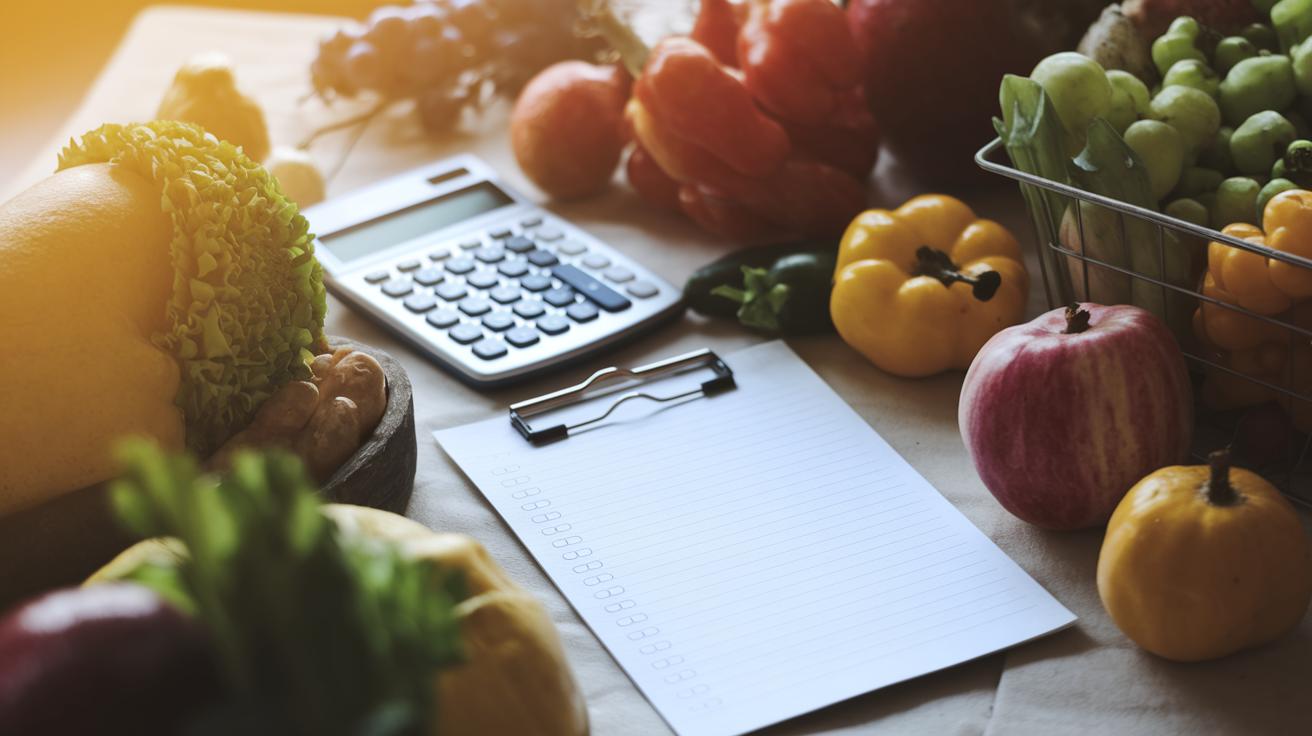
When it comes to grocery shopping smartly, planning ahead can make all the difference. Start by jotting down a clear shopping list that highlights cost-friendly items. This simple step helps you dodge impulse buys while focusing on ingredients that work well in many different recipes. It’s a practical way to enjoy clean, nutritious meals without breaking the bank.
Take a moment to check the per-unit cost on labels. For example, you might compare a one-pound bag of pasta priced at $1.20 with a two-pound pack on sale for $2.49. Simple comparisons like this help you grab the best deals. Also, choose produce that’s in season, it tends to be cheaper and tastier. When possible, opt for regular fruits and veggies from trusted lists instead of spending extra on non-GMO options that might not fit your budget.
Keep an eye out for store promotions and weekly discounts, and think about using online grocery services if it fits your routine. By combining these strategies, your shopping trips can turn into a fun and frugal adventure that keeps your meals fresh, varied, and healthy.
Structured Meal Planning for Cost-Effective Clean Eating
Planning your meals for the week is a simple and smart way to save money while giving your body the nourishment it needs. When you map out your menu ahead of time, you cut down on impulse buys and waste. Using free tools like over 30 courses and 40 worksheets for meal tracking and budgeting can turn the planning process into a fun project that suits both your health and money goals. You might start with a family-friendly two-week plan featuring tasty dishes such as breakfast burritos, roasted sweet potatoes, or tortellini vegetable soup. Or perhaps a 21-day, 1,500-calorie plan will help smooth out those daily food decisions. Plus, a 7-day beauty challenge with treats like overnight oats could add a refreshing burst to your routine.
| Day | Breakfast | Lunch | Dinner | Snacks |
|---|---|---|---|---|
| Monday | Overnight oats with frozen berries | Mixed bean salad with whole grains | Vegetable tortellini soup | Carrot sticks and hummus |
| Tuesday | Scrambled eggs with spinach | Quinoa bowl with roasted sweet potatoes | Stir-fried vegetables with buckwheat noodles | Apple slices |
| Wednesday | Greek yogurt and granola | Whole grain wrap with lean protein | Lentil soup with diced tomatoes | Nuts and dried fruit |
| Thursday | Smoothie with frozen mango and spinach | Chickpea salad with bell peppers | Roasted vegetable medley with rice | Rice cakes |
| Friday | Whole grain toast with avocado | Veggie-packed brown rice bowl | Baked sweet potatoes with lean protein | Cucumber slices |
| Saturday | Breakfast burrito with eggs and beans | Spinach salad with roasted carrots | Whole wheat pasta with mixed vegetables | Fruit salad |
| Sunday | Pancakes made with whole grains | Lentil stew with seasonal vegetables | Stir-fried tofu with broccoli | Yogurt with honey |
Feel free to tweak this plan to match your tastes. Swap meals, change up your snacks, or adjust serving sizes based on what you need and what ingredients you have handy. Use this plan as a jumping-off point to try new recipes and build habits that keep both your wallet and your body in great shape.
Wholesome Low-Cost Recipes for Clean Eating on a Budget

Welcome to a collection of budget-friendly recipes designed to help you eat clean without straining your wallet. These recipes use everyday ingredients along with practical tips, letting you enhance both nutrition and flavor while saving money.
Start your day with a breakfast burrito that mixes fluffy scrambled eggs and hearty beans in a whole grain wrap. Try tossing in some seasonal greens like spinach or kale and a splash of salsa for extra zest. A few diced avocado pieces before rolling can add a dose of healthy fats, making it a satisfying and energizing morning meal.
Imagine perfectly roasted sweet potato cubes, lightly seasoned with salt and pepper, baked until they’re soft and delicious. Serve them as a hearty side dish or as the base of a nourishing bowl. In fall, swapping in some butternut squash cubes with a sprinkle of rosemary brings a warm, seasonal flavor to the plate.
For a comforting twist, whip up a vegetable tortellini soup by combining a variety of fresh and frozen vegetables with tender tortellini in a light broth. A handful of herbs, like basil or thyme, can brighten up the flavors. Stir in freshly chopped basil to enjoy a burst of taste that adapts to the season.
Overnight oats transform a simple breakfast into a delightful morning ritual. Mix rolled oats with frozen berries and let them sit overnight in almond milk for a creamy treat. You can swap berries for apple chunks or pear pieces and add a dash of cinnamon. For a unique twist, try combining oats with crisp green apple slices and a pinch of nutmeg.
DIY granola bars take the classic mix of oats and nuts to the next level by adding in dried fruits or even a hint of dark chocolate. Imagine crunchy almonds, sweet dried cranberries, and a touch of cocoa powder mixed with oats to create a satisfying, on-the-go snack full of texture and flavor.
A quick veggie-packed stir-fry is a great way to enjoy affordable root vegetables like carrots and beets. Sauté them in a little oil with your favorite spices, and don’t hesitate to throw in some seasonal greens or finish with a splash of citrus, like a squeeze of fresh lemon juice, to brighten up the dish.
For even more inspiration, check out this balanced meal plan: https://fitandglossy.com?p=820. Feel free to swap ingredients with your favorites or adjust for the season, making these recipes uniquely yours while keeping clean eating fun and affordable.
Budget-Friendly Ingredient Swaps to Keep Clean Eating Affordable
You can enjoy nutritious, satisfying meals without draining your wallet by choosing smarter ingredient swaps. These simple changes help you stick to a balanced diet and free up your budget for other wholesome goodies.
For example, when fresh produce is out of season and prices spike, grab frozen fruits and vegetables instead. They keep their great flavor and essential vitamins (nutrients that boost your health) intact. And if meat is too pricey, try dried beans or lentils, they pack plenty of protein while being light on your wallet.
Ever thought about making your own granola? Homemade oat-based granola lets you control the flavors and saves you from store-bought prices. Switching up pricey specialty pastas is another neat trick; munch on carrot or zucchini noodles for a fun crunch and a splash of color.
Also, consider buying whole-grain rice when it’s on sale in bulk. It’s a balanced alternative to quinoa that keeps your meals filling and your expenses in check.
Bulk Cooking and Leftovers Strategies for Budget Clean Eating
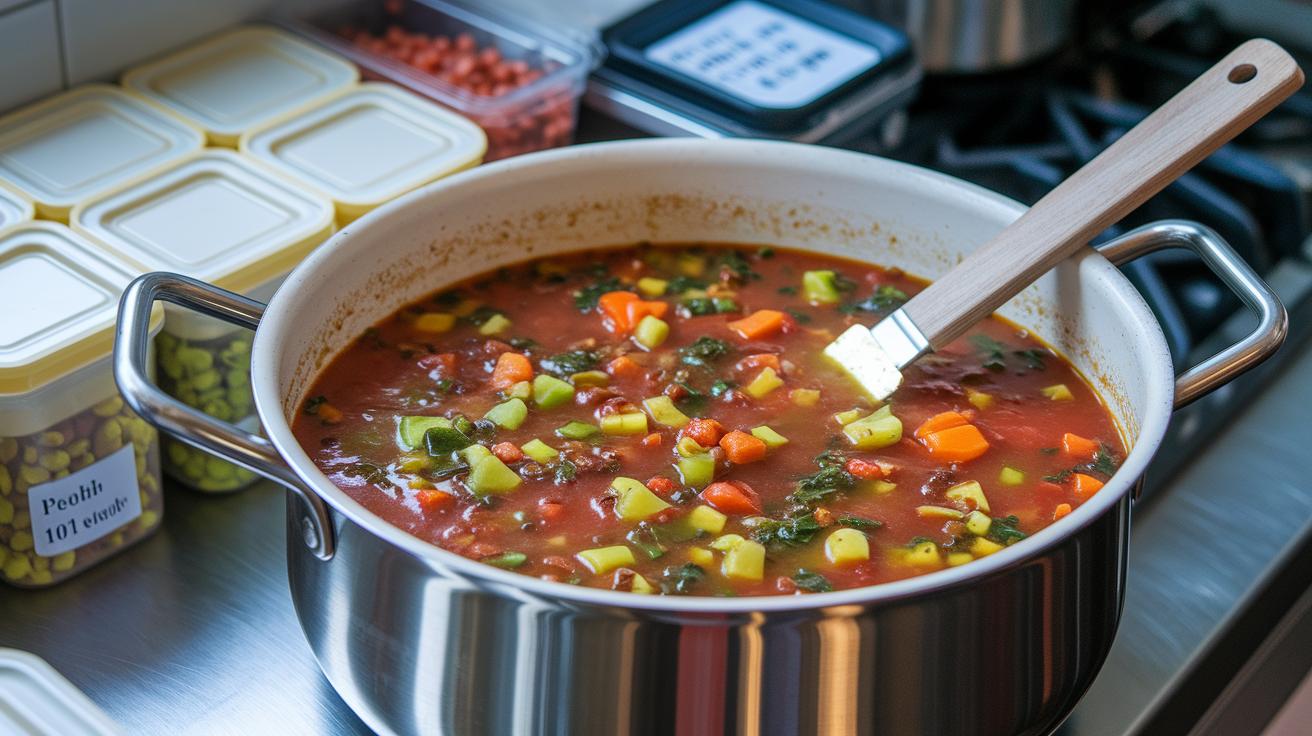
Meal prep can really change how you cook, saving both time and money while keeping your meals nutritious. When you cook in large batches and divide them into ready-to-eat portions, you not only cut down on waste but also enjoy a steady supply of healthy meals all week long.
Bulk Cooking Techniques
Try to block out a specific time each week to whip up a large batch of meals. Aim to prepare at least three times what you need for one meal. This way, you can split your dish into convenient servings that match balanced meal guidelines. Imagine making a big pot of vegetable soup that later transforms into a tasty wrap filling or a hearty lunch bowl. Planning your cooking sessions helps you use energy more efficiently and reduces your overall meal expenses.
Proper Storage for Freshness
Once your food is ready, focus on keeping its flavor and nutrients intact by storing it in labeled containers. Use clear labels so you always know what’s inside and when it was prepared. Even better, get creative and repurpose leftover dishes. For example, yesterday’s stir-fry might become a filling wrap or a refreshing salad when mixed with other ingredients. This smart approach not only extends the life of your ingredients but also minimizes food waste.
In truth, bulk cooking paired with thoughtful storage makes healthy eating enjoyable and easy on your wallet.
Adapting Clean Eating on a Budget for Plant-Based and Special Diets
If you're living a plant-based, dairy-free, or gluten-free life, you can make clean eating affordable and delightful without breaking the bank. Whether you’re on the hunt for budget-friendly vegan ideas, tasty plant-based meals, or meatless dinners that won't empty your wallet, the same simple clean eating tips can fit your special diet. With smart planning and clever shopping, every meal can be a burst of flavor and nourishing goodness that leaves you feeling satisfied.
One great money-saving tip is to use legumes like beans and lentils as your main protein source. These little powerhouses are packed with nutrients (vitamins and minerals that help your body function) and cost much less than animal proteins. They’re a win-win for your health and your budget. And don’t forget about frozen or seasonal fruits and vegetables. Frozen berries and mixed veggies can add color and energy to your plate without the extra cost, much like a refreshing treat after a warm summer day. Plus, buying gluten-free grains such as rice or corn products on sale or in bulk means you can whip up a hearty bean stew or a cozy rice bowl that feels indulgent without costing a fortune.
Planning meals ahead can also make a big difference. Try creating a shopping list that focuses on discounted gluten-free staples and affordable dairy alternatives like nut-based recipes. Swapping out pricey ingredients for clever homemade versions, imagine blending soaked cashews with water to create a smooth, creamy sauce, keeps your dishes both delicious and kind to your wallet. It’s all about making everyday healthy choices that feel just right for you.
Measuring Savings and Nutritional Balance in Budget Clean Eating

Tracking what you spend and what you eat is a smart move when you want to enjoy healthy meals without breaking the bank. Start by figuring out how much you spend on everyday items by looking at the price per unit. For example, you might compare a one-pound bag of beans for $1.20 with a bulk option that costs $2.49, and those little differences can really add up over time.
Write these figures down in a simple journal or a basic spreadsheet. It’s amazing how a few cents saved here and there can make a real difference. This approach helps turn your everyday shopping into a plan that boosts both your wallet and long-term health.
Even a small saving of 5 or 10 cents per serving can mean several dollars saved each month when you multiply that across many ingredients. Imagine that bulk buying saves you 10 cents per ounce, it might sound small, but over weeks, those savings add up considerably.
At the same time, keep an eye on your nutritional balance by counting servings of fruits, vegetables, and whole grains. Watching both your costs and your nutrients shows you that smart, clean eating really does pay off in the long run.
Final Words
In the action from this guide, we covered key tactics, from stocking inexpensive staples and choosing frozen produce to planning meals, bulk cooking, and swapping ingredients. These steps help you build a solid foundation for clean eating on a budget.
Every tip offers a practical, science-backed option that can make your daily meals both nutritious and affordable. Small shifts now lead to lasting benefits, so keep experimenting and enjoy the process of healthier living.
FAQ
What are clean eating on a budget recipes?
Clean eating on a budget recipes offer resourceful meal ideas that use affordable ingredients while focusing on whole, unprocessed foods for optimal nutrition and flavor.
What is a “clean eating on a budget” PDF?
A clean eating on a budget PDF provides a downloadable guide with meal plans, recipes, and shopping tips designed to help you balance nutrition and affordability.
What does a clean eating on a budget meal plan include?
A clean eating on a budget meal plan organizes daily menus with nutrient-rich recipes and detailed shopping lists, making it easier to enjoy healthy meals without overspending.
What does a healthy eating on a budget PDF offer?
A healthy eating on a budget PDF offers cost-saving strategies, practical recipe ideas, and clear meal planning tips to support nutritious eating with mindful spending.
How can I eat clean on a budget for a week?
Eating clean on a budget for a week means planning daily, nutrient-packed meals that use affordable staples, seasonal produce, and simple recipes to keep both your body and wallet happy.
How does eating healthy on a budget help with weight loss?
Eating healthy on a budget supports weight loss by combining nutrient-dense foods with portion control and sensible meal planning that creates a balanced calorie deficit.
How can I eat cheap and healthy for a week?
Eating cheap and healthy for a week involves using economical pantry staples, seasonal produce, and smart meal planning to create balanced, satisfying menus without overspending.
What should an eating healthy on a budget meal plan include?
An eating healthy on a budget meal plan includes well-balanced daily menus, strategic ingredient choices, and cost-saving methods that keep meals wholesome and affordable.
Will I lose weight just by eating clean?
Losing weight through clean eating depends on overall calorie intake and portion sizes, as clean eating can support weight loss when paired with a balanced approach to nutrition and activity.
What is the 80/20 rule for clean eating?
The 80/20 rule for clean eating means that 80% of your diet consists of nutrient-dense, whole foods while you allow yourself 20% for occasional treats, promoting a balanced lifestyle.
What is the cheapest healthiest food you can eat?
The cheapest healthiest foods are often staples like beans, brown rice, and seasonal vegetables, which provide essential nutrients and support overall wellness without high costs.
Is it possible to eat clean on a budget?
Eating clean on a budget is very doable by planning meals, shopping sales, buying in bulk, and choosing affordable, natural ingredients that meet your nutrition goals.