
Ever wonder if a few quiet minutes could brighten your day? For centuries, people have tried meditation to clear away busy thoughts and focus inward. This simple practice turns moments of restlessness into little bursts of calm and clear thinking. With roots in ancient tradition and benefits backed by modern science, meditation does more than ease stress. It helps shape a focused mind that smoothly handles life’s ups and downs, inviting a peaceful state ready to embrace whatever comes next.
Understanding the Ultimate Goal of Meditation Practice
Meditation has been around for over 2,000 years, coming from ancient Hindu and Buddhist traditions. At its heart, meditation teaches you to turn inward and gently focus your energy, helping you sharpen your concentration and discover a deeper state of awareness. Over time, this practice lays the groundwork for a quiet inner space where you can feel more peaceful and clear-headed. As you make meditation a part of your routine, you start to build a strong sense of acceptance and mindfulness that helps you deal with life's ups and downs with a calm, balanced approach.
When you meditate regularly, you learn how to push away distracting thoughts and overwhelming emotions. For instance, imagine this: long ago, monks would sit in silence for hours, trusting meditation to help them achieve a serene and steady mind. This simple practice not only helps reduce stress but also opens the door to true inner peace.
The benefits of meditation touch every part of your life, physical, mental, and emotional. Research shows that taking just a few minutes each day for meditation can boost your ability to stay in the moment and keep a clear perspective. This shift in focus helps you enjoy a lasting sense of clarity and calm, giving you the strength to face daily challenges with resilience and grace. For more insights on holistic health and wellness, check out https://medsfax.com?p=1331.
Core Meditative Objectives Explained

Researchers have found that meditation isn’t just about quiet time, it brings real benefits to your overall health too. When you practice regularly, you build a focused mind that can ease stress and foster a peaceful inner space. Think of meditation as a gentle pause where you strip away the layers of constant thinking and connect with a deeper sense of calm.
Studies reveal a range of wellness benefits from meditation, such as:
- Stress reduction: Easing the tension in your body and lowering feelings of anxiety.
- Improved emotional balance: Helping to smooth out mood swings and nurturing a kinder view of yourself and others.
- Deeper self-understanding: Offering insights into your habits and thought patterns.
- Enhanced focus: Training your mind to stick with tasks, which can make thinking more efficient.
- Increased empathy: Growing your ability to connect and understand other people.
- Developing a third-person perspective: Letting you step back from personal stories to view challenges more clearly.
- Better control over thoughts: Guiding you to redirect restless thinking through mindful techniques.
- Creative insight: Clearing away mental clutter to open up space for fresh, new ideas.
- Pain reduction: Helping your body relax and reducing stress-driven tension.
- Overall physical well-being: Supporting lower blood pressure and a stronger immune system.
Each one of these benefits starts with small, focused moments of meditation that accumulate over time. It’s like investing a few quiet minutes a day that eventually lead to noticeable improvements in both mind and body. The science is clear: regular meditation builds a toolkit for boosting your resilience and physical wellness while keeping your inner world calm and clear.
Exploring Meditation Styles and Their Specific Goals
Meditation has been cherished for centuries, offering various ways to find a sense of calm and clarity. One gentle approach comes from Buddhist inner quest methods. Try sitting quietly and noticing each breath, much like those early practitioners who used each exhale to let go of tension. This simple practice can help you ease into mindfulness, noticing thoughts as they come and go.
Vipassana insight exploration is all about seeing your thoughts and feelings clearly. It invites you to observe your inner patterns without judging them, imagine watching clouds float by in the sky. This style creates a little space between what you feel and what you think, which can help you manage stress more thoughtfully.
Transcendental awareness is rooted in ancient Vedic traditions. It encourages you to use a simple sound or mantra to quiet your mind. Picture yourself softly repeating a soothing word and feeling your stress slowly melt away. Many have found that this method leads to a deeper state of awareness and calm.
Yogic concentration combines breath control with a focused meditation practice. When you sync your breath with your thoughts, it’s like tuning a musical instrument, each note perfectly aligned. This practice can steady both your body and mind, offering a rhythmic focus that makes you feel balanced and centered.
Cross-traditional practices, such as loving-kindness meditation, lift your emotions by fostering gentle compassion toward yourself and others. Imagine sending a warm, radiant light through every part of you. It’s a way to nurture self-love and extend that caring energy to the people in your life.
Centering spiritual rituals invite you to connect deeply with silence and presence. Whether drawn from ancient cultures or modern techniques, each method is about letting go of distractions and embracing peaceful stillness. By exploring these different meditation styles, you can discover the one that best fits your personal goals and daily rhythm.
Scientific Evidence Supporting Meditation Outcomes
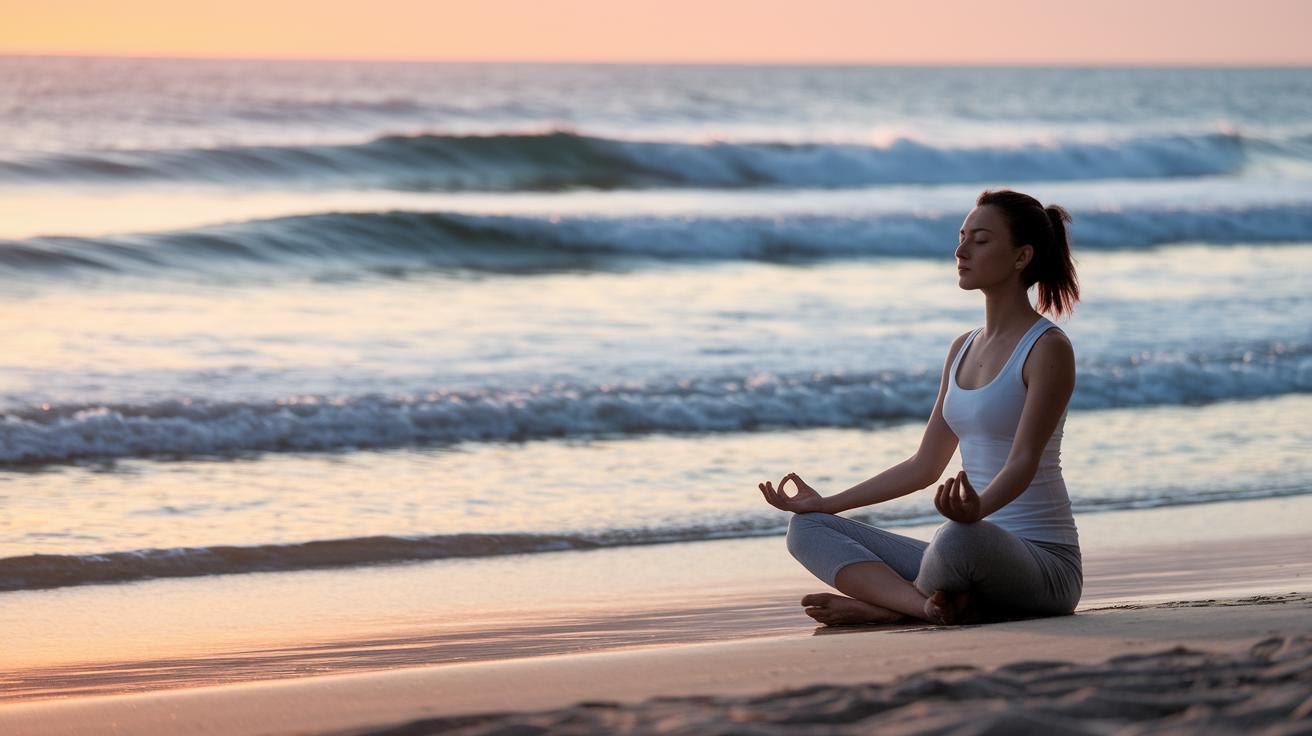
Research shows that meditation can help lower stress by reducing chemicals like cortisol (a stress hormone) and even improving blood pressure. One study found that just 10 minutes of quiet reflection can significantly ease stress, almost like resetting your day.
New findings suggest meditation may also boost clear thinking and spark creativity. Many participants have felt sharper focus, made better decisions, and experienced clearer active thought after a short session. Imagine enjoying a clear mind as refreshing as the first sip of cool water on a hot day.
| Wellness Outcome | Observed Benefit |
|---|---|
| Stress alleviation | Lowered cortisol levels and reduced anxiety |
| Cognitive clarity | Enhanced focus and improved decision-making |
| Creative insight | Improved problem-solving and idea generation |
| Physical relaxation | Reduced pain sensitivity and improved blood pressure |
| Active thinking | Strengthened mental resilience |
Goal of Meditation Sparks Inner Calm and Clarity
Start by carving out 5 to 10 minutes each day in a quiet spot. Get comfortable, sit down, and close your eyes. Focus on your breath, feel the cool air as you breathe in and notice the soft warmth as you breathe out. This simple focus helps clear away noisy thoughts, letting your inner calm shine through.
Next, try a guided visualization. Picture a gentle beach, a quiet forest, or a sunset that glows warmly. As you envision these scenes, let your mind ease and your body relax. This shift from overthinking to peaceful calm can help balance your emotions.
For an even richer practice, consider loving-kindness exercises. Silently repeat a kind wish to yourself like, “May I be at peace.” Then, think of someone you care about and imagine them wrapped in a soft, comforting light. This approach not only soothes your spirit but also builds a steady, balanced mind.
If your thoughts wander, don’t worry. Just gently return your focus to your breath. Resetting your focus in this way can be a quick, powerful tool whenever stress starts to creep in. Trying simple techniques like watching your thoughts without judging can boost your overall meditation practice.
- Use a timer and slowly extend your meditation to 10-15 minutes.
- Experiment with different visualizations until one truly feels right for you.
These short, intentional sessions can pave the way for greater inner calm and clarity, helping you reach your meditation goals step by step.
Integrating Meditation Goals into Daily Life Routines

Make meditation a natural part of your day by adjusting it to fit your schedule. If you're busy at work, try a quick breathing exercise at your desk. For example, take a couple of minutes before your next meeting to slow down and let tension slip away.
When stress starts to build, use brief mindfulness resets. Instead of long sessions, a short guided visualization or a quick mindful walk can refresh your mind. For instance, during a busy afternoon, spend two minutes focusing on your breath to clear your head.
You can also practice mindfulness on the go, such as during your commute or at work. Notice the feeling of your steps or the changing view around you. At a red light, for example, pause for a moment, take a steady breath, and enjoy the present.
| Context | Customized Strategy |
|---|---|
| At Work | Quick breathing exercises and mindful pauses |
| During Commute | Focus on your surroundings and regulate your breathing |
| High Stress Moments | Take a 2-minute reset with a guided visualization |
Measuring Progress and Evolving Your Meditation Journey
Journaling is a simple yet powerful way to trace the subtle shifts in your meditation routine. Every time you meditate, jot down a note about how stressed you feel and the moments when you seem to observe your thoughts from a gentle distance, as if watching a scene unfold in real time. For instance, you might write, "Today, I noticed a stressful thought drift by like a soft cloud." Over time, these little snapshots can reveal a beautiful transformation in your practice.
Keeping a record of your focus and emotional balance can also fine-tune your meditation experience. Write down those special moments when you felt more centered or when anxiety quietly faded away. Each entry acts like a stepping stone on your path to inner calm and self-realization. In truth, these reflective notes help build up a personal growth roadmap that empowers your journey toward lasting wellness. For more insights into personal empowerment, you can explore spiritual wellness further at "spiritual wellness" (https://nobrainertrends.com?p=315).
A few simple tips to get started:
- Record your key observations right after each meditation session.
- Note the little changes in your overall mood and clarity.
Embrace this practice as a warm, ongoing dialogue with yourself, a chance to discover deeper layers of calm and clarity.
Final Words
In the action, the blog explored meditation’s ancient roots and its power to boost inner quiet. We looked at key objectives like mindful focus and silent contemplation, compared various meditation techniques from Buddhist to Yogic practices, and backed these insights with solid research. We also shared practical methods, tips for daily routines, and ideas for tracking progress. Embracing meditation can bring calm, balance, and renewed energy into everyday life. Enjoy the refreshing benefits and start making positive shifts today.
FAQ
Q: What is the goal of meditation in Buddhist and Zen traditions?
A: The goal of meditation in Buddhist and Zen traditions is to cultivate mindful awareness and inner calm, helping practitioners observe thoughts with acceptance and reach a state of quiet clarity.
Q: What is the purpose of meditation in Hinduism?
A: The purpose of meditation in Hinduism is to connect with the inner self and achieve higher consciousness, creating a pathway to lasting peace and spiritual insight.
Q: Is the goal of meditation to stop thinking?
A: The goal of meditation is not to eliminate thinking but to observe thoughts without judgment, allowing you to manage them better and enjoy a calm, clear mind.
Q: How do you meditate?
A: To meditate, find a quiet, comfortable space, focus on your breath, and gently bring your attention back whenever it wanders, building a practice that nurtures calm and clarity.
Q: What are the benefits of meditation?
A: Meditation offers benefits such as reduced stress, improved emotional balance, enhanced focus, and overall better mental and physical well-being through consistent practice.
Q: What is the spiritual purpose of meditation?
A: The spiritual purpose of meditation is to foster a deep inner connection and self-awareness that support acceptance and calm, helping you navigate life’s challenges with a balanced mind.
Q: What are the three main points of meditation?
A: The three main points of meditation involve focusing on the breath, cultivating mindful awareness, and accepting thoughts without judgment to build inner peace.
Q: What are the five R’s of meditation?
A: The five R’s in meditation guide practice by Recognizing thoughts, Relaxing the body, Releasing tension, Returning attention to the breath, and Reflecting mindfully on the experience.
Q: What is a common answer to the goal of meditation in crossword puzzles?
A: In crossword puzzles, the goal of meditation is often described as “inner peace” or “mindfulness,” reflecting the practice’s emphasis on achieving a calm and centered state.