
Have you ever noticed how a daily walk can be more than just a chance to clear your head? It’s amazing how a simple stroll can boost your mood and even protect your heart. Regular movement helps lower your risk of serious issues like diabetes (a condition where your blood sugar stays too high), stroke, and some types of cancer.
Research shows that staying active can cut your chances of these long-term health problems by a surprising margin. And while it might seem like a small change, those extra steps each day can really power up your wellbeing. So next time you head out, think of it as not just a walk, but a natural shield for your health.
How Exercise Acts as a Preventive Health Measure
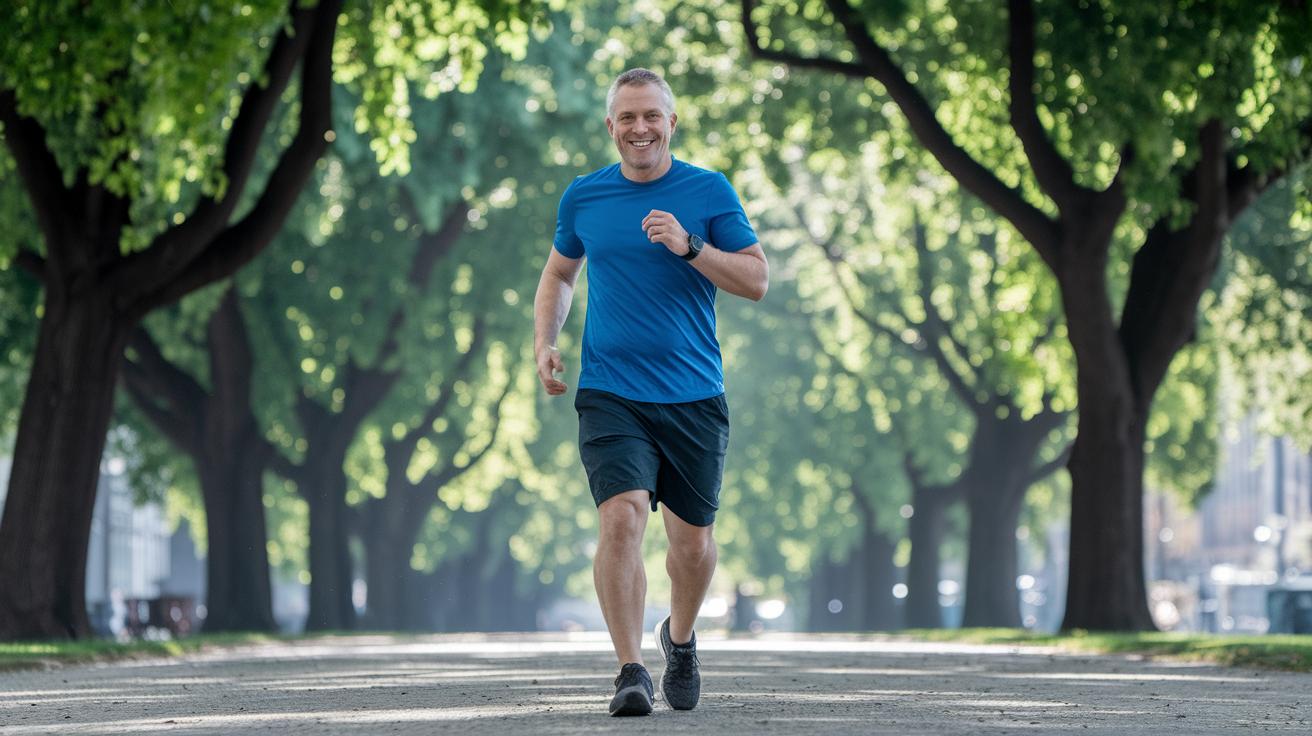
Regular exercise really helps cut down the risk of long-term illnesses. Studies show that staying active can lower the chances of heart disease, type 2 diabetes, stroke, and even some cancers like breast and colon cancer by 20 to 50 percent. Imagine taking a brisk walk every day, not only can it clear your mind, but it may also protect your heart in a big way.
For most adults, aiming for about 150 minutes of moderate exercise or 75 minutes of vigorous activity each week is a great goal. Breaking this up into small chunks, even as short as 10 minutes at a time, makes it easier to fit into your busy day. Such regular movement not only keeps your heart strong and helps lower your blood pressure, it also gives your immune system a boost, helping you bounce back faster when you’re feeling under the weather.
Moving around consistently also helps improve your mood and ease stress. Even simple activities like cycling or dancing can bring on a rush of endorphins, those natural feel-good chemicals your body makes. And when you stick to an active life, you might even save money in the long run by avoiding costly treatments for chronic conditions.
Mixing different kinds of workouts is a smart way to stay balanced. Try to include a little bit of cardiovascular work, strength training, and flexibility exercises in your routine. Little actions add up, turning even short bursts of movement into a strong defense against many health problems.
Scientific Evidence on Exercise for Disease Prevention

Regular exercise is a proven way to keep many chronic diseases at bay. Research shows that sticking to a weekly routine, like 150 minutes of moderate activity (think brisk walking) or 75 minutes of more intense exercise, can help lower the risk of heart problems, stroke, type 2 diabetes, obesity, and even some types of cancer. For example, aerobic exercises improve myocardial function (which means your heart pumps blood more efficiently), help ease blood pressure, and slow down plaque buildup in the arteries. Remember John? When he started taking daily brisk walks, his blood pressure dropped steadily and he began to feel more energetic.
Strength training is important, too. It helps manage blood sugar levels (glycemic control, which is all about keeping your blood sugar steady) and helps keep muscle strong. In fact, studies have found that people who exercise regularly have about a 30% lower chance of dying from any cause, meaning a more active lifestyle can help you live longer. Combining different types of exercise really builds a strong defense against major chronic illnesses.
Guidelines and Recommendations for Preventive Exercise
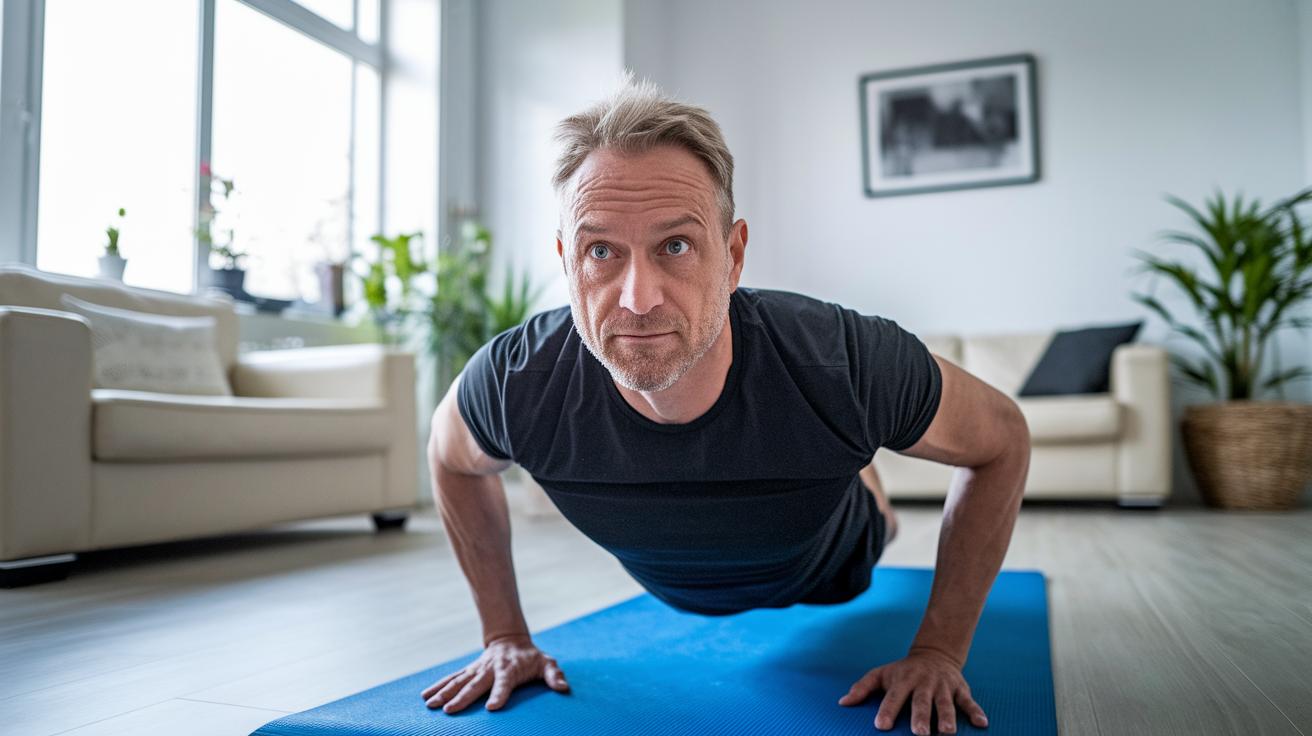
Starting a regular exercise routine can be simple when you follow ideas that health experts trust. Many suggest you aim for 150 minutes a week of moderate workouts, or 75 minutes if you like a more energetic pace. For example, you might take a brisk 10-minute walk during your break. Even these short sessions add up, making it easier to fit exercise into your day.
It’s not just about cardio, either. Strength training is an important piece of the puzzle. Experts recommend working all your major muscle groups at least twice a week. You can use bodyweight exercises, resistance bands, or light weights. Think of it like crafting a balanced meal, where every exercise serves as an essential ingredient to boost your strength.
Flexibility and balance exercises matter a lot, especially if you’re over 65. Adding gentle yoga, tai chi, or simple stretches two to three times per week helps keep your joints nimble and might even lower the risk of falls. Picture ending your workout with stretches that soothe your muscles and make everyday movements feel more comfortable.
Mixing aerobic, strength, and flexibility exercises into your routine is both fun and practical. This balanced approach not only supports your overall wellness but also turns each little session into a building block for a healthier future.
Key Exercise Modalities for Preventive Care

Aerobic workouts like walking, jogging, or cycling are a cornerstone of keeping your body healthy. They boost your heart and help you manage your weight. Imagine taking a brisk 30-minute walk that leaves you feeling refreshed, it’s a perfect example of how these exercises support your heart and metabolism. If you’re curious about more options, check out these great cardio workouts: https://healthlystats.com?p=1770.
Don’t forget about resistance training, either. Simple moves such as push-ups or using a resistance band help keep your muscles strong and your bones healthy, which becomes especially important as you age. I once heard someone say, "Incorporating strength training transformed my workout routine, making me feel stronger every day." If you’re just getting started, you might find some helpful guidance here: https://nobrainertrends.com?p=178.
Have you tried high-intensity interval training (HIIT)? This time-efficient method mixes short bursts of intense activity with recovery periods. It ramps up your metabolism, improves your oxygen use (VO2 max, which is just a fancy way of saying how well your body uses oxygen), and helps reduce excess fat. Picture those quick, powerful intervals giving your body a refreshing boost.
It’s also a good idea to add some flexibility and mobility drills to your routine. A few gentle stretches or dynamic movements not only reduce your risk of injuries but also help your joints move more smoothly in daily activities.
Balance exercises, such as tai chi or standing on one leg, are essential too. These simple routines can cut the risk of falls by up to 30% for older adults, helping you maintain your independence as you grow older.
| Exercise Type | Preventive Benefit |
|---|---|
| Aerobic | Cardiac health, weight control |
| Resistance | Muscle preservation, bone strength |
| HIIT | Metabolic boost, fat reduction |
| Flexibility | Joint mobility, injury prevention |
| Balance | Fall prevention, stability |
Integrating Preventive Workouts into Daily Life

A steady habit of moving daily starts with setting small, clear goals. Even a quick 10-minute break in your day can spark lasting change. Keeping a simple journal or using a smartphone app to record your progress helps you stay on track. Imagine checking off each day you complete a fun home workout, soon, it becomes a natural part of your routine.
Mixing up your activities keeps things fresh and enjoyable. Try dancing around your living room, tending to your garden, or joining a group class that revs up your energy. This kind of variety turns exercise into a joy rather than a chore. Have you ever noticed how a short dance session can instantly boost your mood?
You can also weave movement into your everyday life. Consider walking during meetings or biking to work instead of driving. Local walking groups or community fitness challenges add a social twist that makes being active even more fun. And don’t forget, simple bodyweight exercises at home can easily fit into your busy schedule.
Smartphone reminders or wearable devices can gently nudge you to move, keeping your routine on track without needing a gym membership. For more ideas on building habits that stick, check out these tips for healthy living: https://nobrainertrends.com?p=151.
Exercise for Mental Health and Healthy Aging

Regular movement is key for keeping both your mind and body in top shape. When you engage in activities like jogging or cycling, your heart gets a good workout and your mood lifts as stress, anxiety, and depression can drop by 25 to 30 percent. Even a simple 20-minute jog can help clear your mind and ease those lingering worries.
Mixing in a bit of resistance training, think lifting weights or using your own body weight, adds another layer of benefit. These exercises not only sharpen your memory and focus but also make everyday tasks feel more manageable. Picture this: after a brisk walk, you feel refreshed and ready to take on whatever comes your way. Strength exercises also keep your muscles firm, helping to maintain balance and reduce the risk of falls, which is especially important as we get older.
Staying active is a powerful tool for slowing down age-related decline, giving you the independence to enjoy life fully. Research suggests that regular exercise might even lower your chance of developing dementia by about 30 percent. In short, a consistent workout routine strengthens your body and clears your head, boosting your overall sense of well-being.
Even simple moves like stretching or a few light resistance exercises can easily become part of your daily routine. These gentle activities remind you that a little motion goes a long way in benefiting both your body and your mind.
Final Words
In the action, exercise proves its value in keeping chronic diseases at bay and lifting spirits. Regular physical activity lowers risks for heart issues, diabetes, and more, while boosting mental well-being. Integrating cardio, strength moves, HIIT, flexibility, and balance into daily routines helps build lasting healthy habits. The role of exercise in preventive care stands strong by reducing long-term health expenses and supporting overall wellness. Keep moving every day and relish the uplifting benefits of an active lifestyle!
FAQ
What are the key benefits of physical activity?
The benefits of physical activity include lowering risks for heart disease, stroke, type 2 diabetes, and certain cancers while boosting mood, aiding weight control, and strengthening muscle and bone health.
How does exercise serve in preventing disease?
The role of exercise in preventive care lies in reducing chronic disease risks, such as heart disease and diabetes, by improving cardiovascular and metabolic functions and supporting overall immune health.
What are the mental and social benefits of physical activity?
The mental and social benefits of physical activity include decreased anxiety and depression symptoms, enhanced mood, stress relief, and improved social interactions through group workouts or community activities.
What is the Exercise is Medicine initiative?
The Exercise is Medicine initiative emphasizes prescribing regular physical activity as part of a healthcare plan to help reduce disease risks and promote a healthier, more active lifestyle.