
Imagine taking a few calm moments that could truly brighten your day. In our busy lives, meditation gives you a mini-break to pause, breathe deeply, and feel more at ease. With just a few mindful breaths, you might sleep better, think clearer, and feel your heart settle. This simple practice helps both your body and mind find balance, making life feel a lot more peaceful and fulfilling.
Core Purpose of Meditation: Mental, Emotional, and Physical Benefits
Meditation is all about easing your mind and staying rooted in the now. It encourages you to take deep breaths and savor quiet moments, giving you a chance to see your thoughts without criticism and connect with your true self. This calming focus lays the groundwork for a deeper exploration of your inner world.
When you make meditation a regular habit, you'll notice benefits that spread across your body, mind, and emotions. On a physical level, it might help lower stress hormones like cortisol (the hormone that builds up during stress), ease feelings of anxiety and depression, and even improve your sleep, which can boost your immune system. On the mental side, meditation sharpens your focus, supports both short-term and long-term memory, and may help slow down age-related changes in the brain. Emotionally, it builds self-awareness, steadies your mood, and nurtures a sense of overall well-being.
- Stress reduction
- Anxiety relief
- Sleep improvement
- Sharper focus
- Memory support
- Emotional balance
All these benefits come together to capture the true essence of meditation. By guiding you to stay present, meditation helps build inner peace in many important ways. It not only eases physical tension but also clears your mind and deepens emotional insight, creating a reservoir of strength and balance over time. Remember, meditation isn’t about reaching a fixed state; it’s a journey of constant growth where each breath takes you a little closer to a life that honors both your body and your mind.
Spiritual and Historical Origins Shaping Meditation’s Purpose
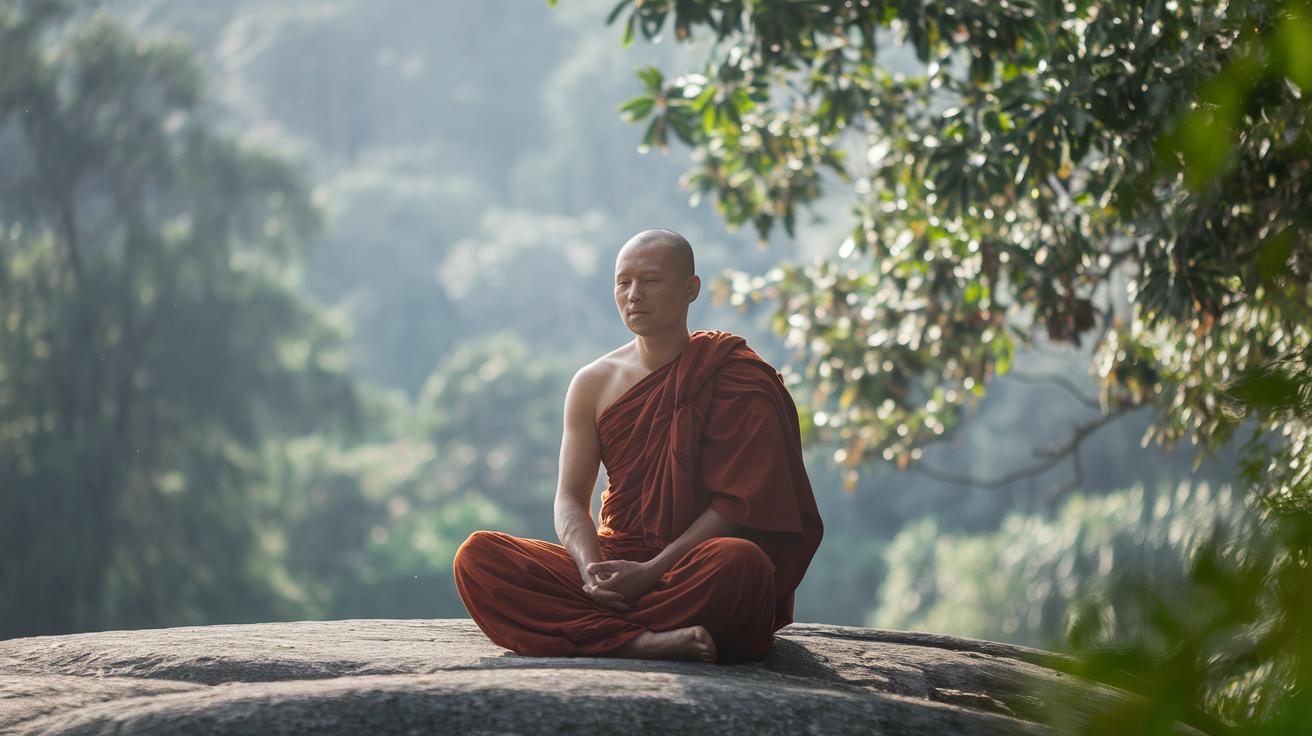
Buddhist Calm Significance
In Buddhism, they use Vipassana (insight, which means looking deep into your thoughts) and Samatha (stillness focus, a way to quiet your mind). These practices help you watch your thoughts and feelings closely so that your mind can slow down, leaving you feeling calm and clear. When you do these exercises regularly, you gradually build self-awareness and balance. It’s like laying a sturdy foundation for peace in your life, where stress can slowly fade away and a quiet mind takes over.
Hindu Quietude Meaning
In Hindu traditions, Dhyana meditation is a cherished practice. It often involves reciting mantras (repeated words or phrases meant to center your thoughts) and chanting sacred sounds. This rhythmic chanting helps to steady your mind and brings a sense of emotional balance. These peaceful moments encourage a personal awakening and remind you how connected your body, mind, and spirit really are. By turning inward and listening to the soft hum of your own thoughts, you open up a path to finding inner calm and a more profound sense of well-being.
Understanding True Meditation Intent in Secular Practice
Secular meditation skips the mystical frills and focuses on practical methods backed by research. It uses techniques like mindfulness-based stress reduction (a method that calms your mind) and Transcendental Meditation (a practice designed for clear thinking) to help you regulate emotions and boost mental clarity. For example, one study found that just 10 minutes a day of secular meditation helped people sharpen their focus at work.
Modern secular practices have evolved to tackle today's busy life. They mix short, guided exercises with clear, measurable benefits like improved brain activity and faster reaction times. Try starting your day with a simple breathing exercise before your meeting, you might be surprised at how quickly it turns a hectic schedule into a series of manageable tasks.
By leaning on research-backed benefits, secular meditation offers a perfect blend of mental clarity and resilience for our modern challenges. With constant digital distractions and packed calendars, these easy-to-use techniques fit right into your daily routine. For instance, after a quick mindful break on a stressful afternoon, Mark returned to his work with renewed energy and focus.
Exploring Ultimate Meditation Objectives Across Traditions
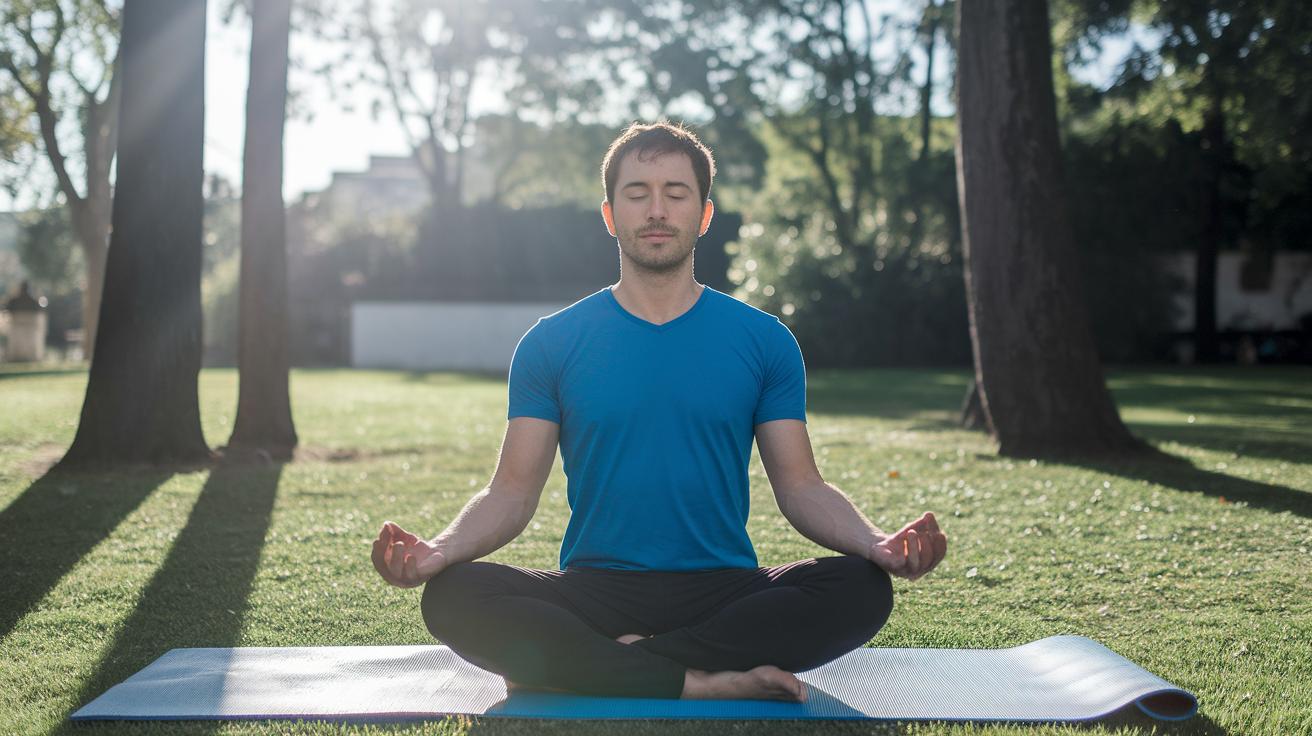
Every meditation tradition carries its own flavor, yet they all share the goal of bringing balance to the mind and heart. In Buddhism, simple practices like Vipassana help you settle your thoughts and boost self-awareness. Hindu traditions, on the other hand, use chanting and focused contemplation to get that inner spark going. And modern, secular methods lean on mindfulness exercises and deep breathing to calm the stress of everyday life.
| Tradition | Objective | Practice |
|---|---|---|
| Buddhism | Quieting the mind and building awareness | Practices like Vipassana |
| Hinduism | Sparking inner awakening and self-realization | Chanting and deep contemplation |
| Secular | Relieving stress and living in the present | Mindfulness and focused breathing |
These ideas remind us that while the techniques may vary, the heart of meditation is the journey toward calm and clear self-understanding. Think of Buddhist methods as a gentle way to guide your mind into clarity, like feeling that serene calm after a slow, deep breath.
How a Purposeful Mindfulness Journey Fosters Personal Growth
Start your day with a bit of mindful practice. Imagine setting a timer for five minutes each morning, focusing on your breath while quietly telling yourself, "Today, I will face challenges with calm determination." This simple habit can help you become more aware of your feelings and build emotional strength, making setbacks easier to handle.
Sometimes, a clear meditation intention can even change how you relate to others. One manager, for example, takes a quick five-minute pause before meetings to ground himself and remind him to listen with empathy. He noticed that this little moment of reflection not only made him feel more balanced but also helped him connect better with his team.
You might want to try these simple steps to boost your practice:
| Step | What to Do |
|---|---|
| 1 | Sit comfortably and focus on your breathing. |
| 2 | Spend one minute setting a small goal, like “I will welcome challenges with curiosity.” |
| 3 | Write down any thoughts or insights after your session. |
These techniques can turn a quick meditation into a powerful tool for ongoing personal growth.
Practical Steps to Define Your Meditation Objective and Routine
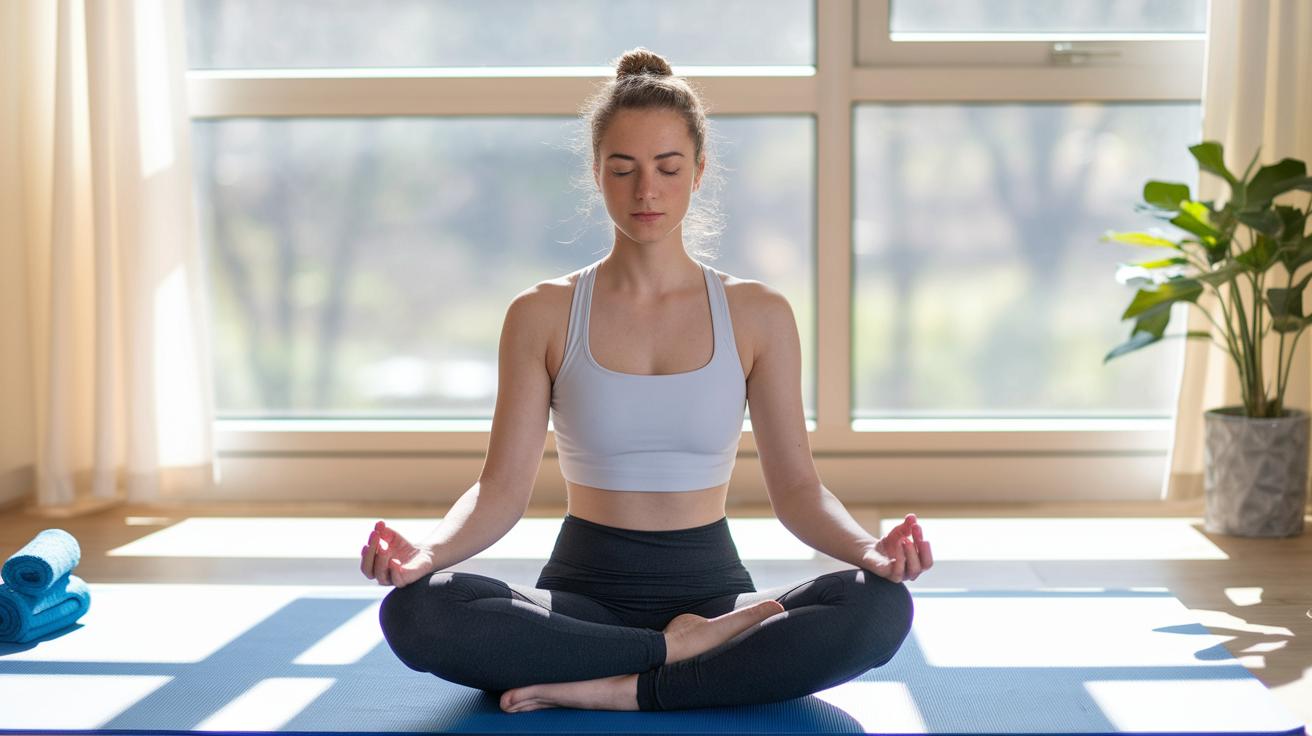
Creating a meditation routine that truly fits you starts by figuring out what you need and playing around with different styles. Maybe try out mantra meditation (repeating a calming word or phrase) or guided visualization (imagining a soothing scene) to see which one clicks. When you choose a style that feels natural, the practice becomes more enjoyable and sustainable.
First, think about what you want to get out of your meditation time. Write down your goal whether it's finding a bit more calm, boosting your focus, or simply grabbing a quiet break in a busy day. Keeping it simple and realistic makes it easier to build a habit that lasts.
Next, ease into it with short daily sessions. Even five minutes a day can create a refreshing pause. During that time, just focus on your breathing and notice your thoughts. If you’re curious about more daily tips, check out these tips for healthy living.
Then, spend a moment reflecting on your progress. Jot down in a small journal what felt soothing and where you encountered any challenges. Over time, you can tweak your goals so that your meditation continues to support the course of your life. For a little extra inspiration on blending meditation into your whole wellness plan, you might want to explore a self care plan.
Consistent practice, honest reflection, and a willingness to adapt make your meditation journey a growing source of inner harmony.
Final Words
In the action, we explored how meditation brings mental clarity, emotional ease, and physical benefits like stress relief and improved sleep by focusing on the purpose of meditation. We shared insights from ancient traditions and easy techniques used in today’s routines. Each benefit, from calmer minds to sharper focus, shows how a simple practice can impact everyday life. Embrace these tips to create a personalized meditation plan that supports overall wellness and brightens your daily experiences. Enjoy the positive change that each mindful moment can bring!