
Have you ever noticed that your happiness seems tied to every word your partner says? Sometimes, we crave constant reassurance even when love should feel light and uplifting. It can be exhausting when your sense of worth depends too much on someone else.
This dependence can put a strain on your relationship and leave you feeling stressed. In this article, we’ll look at the signs of emotional dependency, like always needing extra validation, and explore how focusing more on yourself can lead to a healthier, more balanced connection with your partner.
Imagine feeling secure in your own skin, enjoying a refreshingly independent burst of confidence. That’s the kind of secure, supportive relationship we’re talking about, where you both uplift each other while still thriving on your own.
Defining Emotional Dependency: Key Concepts and Impact
Emotional dependency is when you feel you cannot live without your partner. It's like believing your partner is the only one who can make you feel whole, happy, or even safe. Unlike real love, built on mutual respect and shared growth, emotional dependency makes you crave constant attention, approval, and support. It’s similar to expecting a never-ending energy boost from one single source rather than enjoying a natural pick-me-up from taking care of yourself.
This constant need can take a toll on your mental health. When you tie your sense of worth to how much attention you receive, even a small drop in support can leave you feeling anxious or scared of being abandoned. Imagine living with a tight emotional leash where every moment without praise feels like a mini-crisis. It’s no wonder some might confuse this desperate need for love with true intimacy.
Relationships often suffer from this kind of behavior. When one person is always seeking reassurance, even the strongest bonds can feel strained. Instead of feeling like a comforting partnership, things can turn tense with unrealistic expectations. The pressure of needing endless emotional input not only weakens your own sense of care but also puts your partner in a position where they feel responsible for filling every emotional gap.
Recognizing Signs and Symptoms of Emotional Dependency
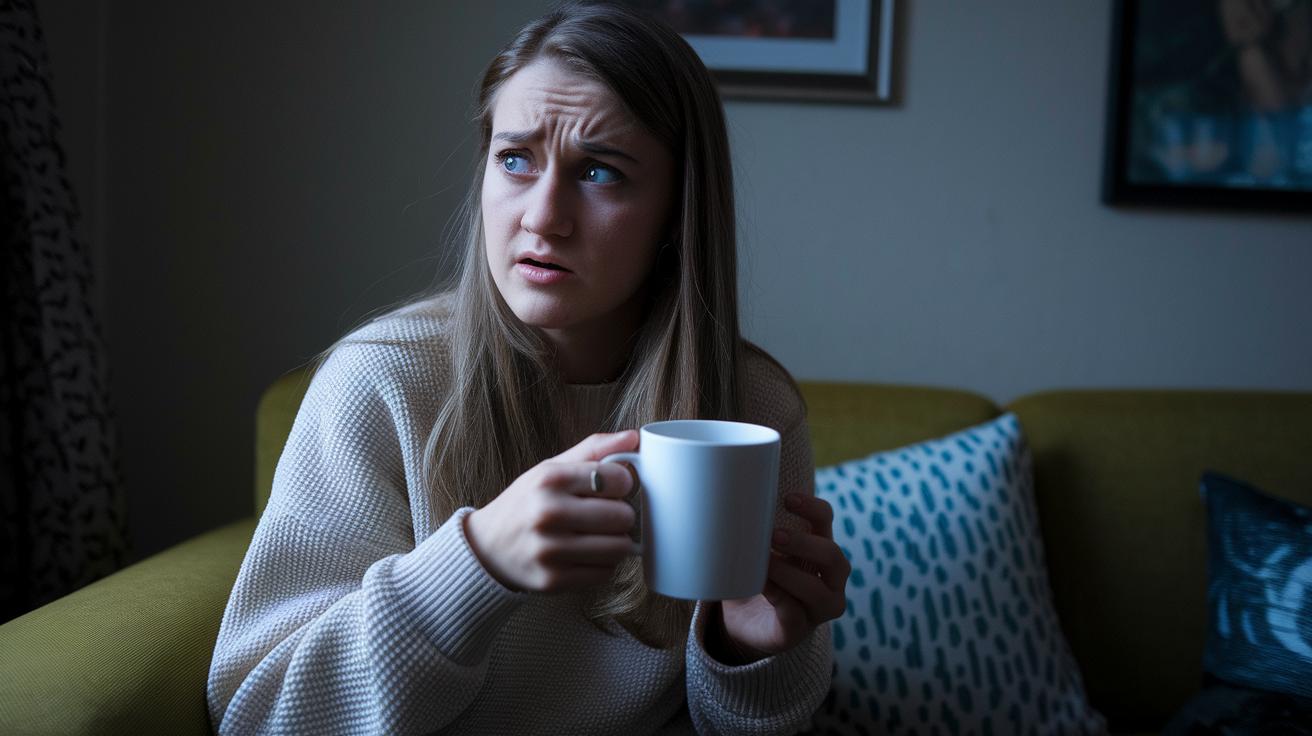
If you always need your partner's reassurance or look to them for approval, it might be a sign that your emotional ties are leaning toward dependency. Sometimes this over-reliance hides deeper feelings like a fear of being left behind or a harsh inner critic that never seems satisfied. You might even notice feelings of anxiety or physical signs like tense muscles when your needs aren’t met, almost as if your body is echoing your emotional stress.
Here are some common signs to watch for:
- Frequently asking your partner for emotional support
- Feeling an intense fear at the thought of being abandoned
- Experiencing waves of anxiety during moments alone
- Criticizing yourself harshly when things don't go as planned
- Noticing physical tension, such as tight muscles, when you're emotionally unsatisfied
- Sensing a steady undercurrent of dread during emotional distance
- Letting your self-worth depend entirely on someone else's approval
Noticing these habits can be really eye-opening. It might be a good idea to start looking inward and learning how to give yourself the validation you need. By slowly shifting the focus from seeking outside approval to building your own inner confidence, you can pave the way for healthier, more balanced relationships.
Psychological Roots of Emotional Dependency
Our need for emotional support often begins in early childhood, when our first bonds gently set the stage for adulthood. When those early connections feel unpredictable or filled with worry, we start to lean on others for a sense of safety and worth. It’s like every friendly gesture later on carries extra weight, nudging us toward a habit of over-relying on others for comfort.
Attachment Styles and Their Role
How we bond with others, whether with a bit of nervousness, ease, or a tendency to pull away, shapes our daily emotional habits. For instance, if early care was inconsistent, we might constantly seek reassurance. Meanwhile, those who experienced steady love tend to feel secure and relaxed in their friendships. And if someone tends to avoid deep closeness, it might be a way to shield themselves from getting hurt. When we feel insecure, every kind act can seem like a lifeline, cementing the idea that we can’t thrive without ongoing approval from others.
Inner Criticism and Self-Esteem
Harsh self-talk can make these feelings even more difficult. When we’re overly critical of ourselves, it chips away at our sense of worth and leaves us looking outward for compliments. That negative inner dialogue acts like a roadblock, convincing us that we aren’t enough on our own. This cycle of self-doubt makes it hard to trust our own judgment and pushes us to seek validation from the outside.
Understanding these roots of emotional dependency is a key step toward healing. By becoming more aware of how our early experiences impact our present, we can start to build stronger, healthier relationships, ones where our inner strength shines through.
Emotional Dependency: Embrace Healthier Relationships

Relying too much on a partner might leave you feeling incomplete. But you can take steps to boost your own independence while still enjoying closeness. Here, we share practical tips to help you focus more on you, leaning on your inner strengths and a variety of support systems.
Begin by getting to know yourself better. Spend a few quiet minutes each day reflecting or writing in a journal to uncover the triggers behind your dependency. For example, notice when you crave extra reassurance and ask yourself what might be driving that need. Over time, these small insights help you regain control over your feelings.
Next, learn to give your own needs a pat on the back. Instead of waiting for a partner to soothe you, acknowledge your feelings and offer some self-encouragement. When disappointment hits or someone else doesn’t provide the comfort you expected, remind yourself that you deserve care. This self-support builds confidence and eases the need for constant outside validation.
Managing anxiety also plays a big role. Techniques like deep breathing, mindfulness, or progressive muscle relaxation (a simple method where you tense and then release your muscles) can help ease your body’s stress response. When anxious thoughts creep in, these practices offer a soothing way to reclaim calm.
Don’t forget to lean on friends and family, too. Touch base with those who lift your spirit and make time for activities that strengthen your bonds. By having several sources of support, you relieve the pressure on any one person to be your sole comfort.
Finally, keep track of your progress. Regularly checking in with yourself through journaling or quiet reflection can highlight the positive changes you're making, encouraging further steps toward emotional independence.
Therapy and Professional Approaches for Emotional Dependency
Getting professional help can be a turning point when dealing with emotional dependency. Many people have found that one-on-one or couple sessions focused on these concerns help them uncover hidden feelings and start forming healthier relationship habits. In these cozy, supportive spaces, you can talk about fears of being left behind, nagging negative thoughts, and the overwhelming need for outside approval. Working with a trained counselor often means swapping dependency for a boost in self-confidence.
Therapy is available in many ways and fits every stage of life, making it easier than ever to get the support you need. Whether through online consultations or handy self-assessment tools, help is there whether you're a teen, an adult, or in your later years. Even workplace and campus wellness programs now offer strategies to tackle dependency, so a caring hand is always within reach no matter your schedule or where you live.
Experts regularly suggest proven strategies like Acceptance and Commitment Therapy (ACT, a method that helps you accept your feelings and focus on personal growth) and Dialectical Behavior Therapy (DBT, a technique that guides you in managing emotions and building better relationships). These approaches work by teaching practical skills to keep emotions in check and boost self-worth. It's amazing how blending science-backed methods with personalized counseling can ease anxiety and self-doubt, paving the way for stronger and more independent relationships. Have you ever noticed how a small change can lead to a whole new perspective?
Balancing Emotional Dependency and Personal Independence

Finding emotional freedom means making time for yourself so you can build inner strength. Sure, sharing moments with loved ones is important, but don’t forget to invest in your own passions too. Imagine starting your day with a quiet walk that clears your mind or discovering a new art class where you can experiment and grow. For example, set aside Tuesday evenings for creative writing. I often use that time to let my thoughts flow onto paper, which enriches both my inner world and my connection with my partner. It’s all about mixing together closeness and personal space.
Another great tip is to expand your support network without leaning too hard on your partner. Chatting with friends, joining local groups, or taking part in community classes can give you fresh insights and boost your mental clarity. Ever tried joining a cooking group? It could be a fun way to share tips and spark those healthy conversations outside your usual circle. Alternating between quality time with your partner and engaging with a broader community creates a dynamic balance that nourishes both personal growth and shared intimacy.
Final Words
In the action, we defined emotional dependency and its difference from genuine love while pinpointing the signs that signal excessive reliance. We explored the psychological roots and shared practical ways to build emotional autonomy. The post also covered therapy options that help address deep-seated self-doubt and tips on balancing closeness with independence. Every tip offers a way to foster confidence and self-care, making healthy choices feel within reach. Embrace these insights and remember, every positive step strengthens your overall well-being.
FAQ
Q: What is emotional dependency?
A: The term emotional dependency refers to a state where someone relies on another for constant validation and self-worth, often confusing neediness with love.
Q: What are the symptoms of emotional dependency and what does it feel like?
A: The symptoms of emotional dependency include a need for constant approval, overwhelming fear of abandonment, anxiety, and low self-esteem when emotional needs are not met.
Q: How can one test for emotional dependency or tell if someone is emotionally dependent on them?
A: An emotional dependency test involves assessing whether reliance on another for self-worth is excessive and if validation is sought frequently, which can indicate if someone is overly dependent.
Q: How does emotional dependency appear in relationships and marriage?
A: Emotional dependency in relationships and marriage shows as an overreliance on a partner for emotional support, causing tension when individual boundaries blur and self-identity suffers.
Q: What are the signs he is emotionally dependent on you?
A: Recognizing emotional dependency in a partner may include noticing he frequently seeks your approval, struggles to make decisions independently, and seems overly affected by your feedback.
Q: How does emotional dependency differ from genuine love?
A: Emotional dependency differs from genuine love by relying excessively on one person for self-worth, whereas true love values support, independence, and mutual personal growth.
Q: How can emotional dependency be overcome or broken?
A: Overcoming emotional dependency involves building self-awareness, engaging in personal interests, setting healthy boundaries, and sometimes seeking professional guidance to foster independence.
Q: What is the discussion about emotional dependency on Reddit?
A: Discussions on Reddit about emotional dependency typically share personal experiences and advice, offering a supportive community to help individuals recognize and manage their overreliance on others.