
Ever thought you could get stronger without a gym or fancy equipment? Bodyweight training uses simple moves like push-ups and squats to build muscle, support your heart, and keep you flexible. Studies even show that a few short, regular sessions can boost your endurance and overall fitness.
In this article, we'll explore how these basic exercises really pack a punch for your health. Imagine turning everyday movements into workouts that not only build strength but also brighten your day. Read on to discover how easy it can be to elevate your well-being with just your own body.
Core Benefits of Bodyweight Training for Health and Fitness
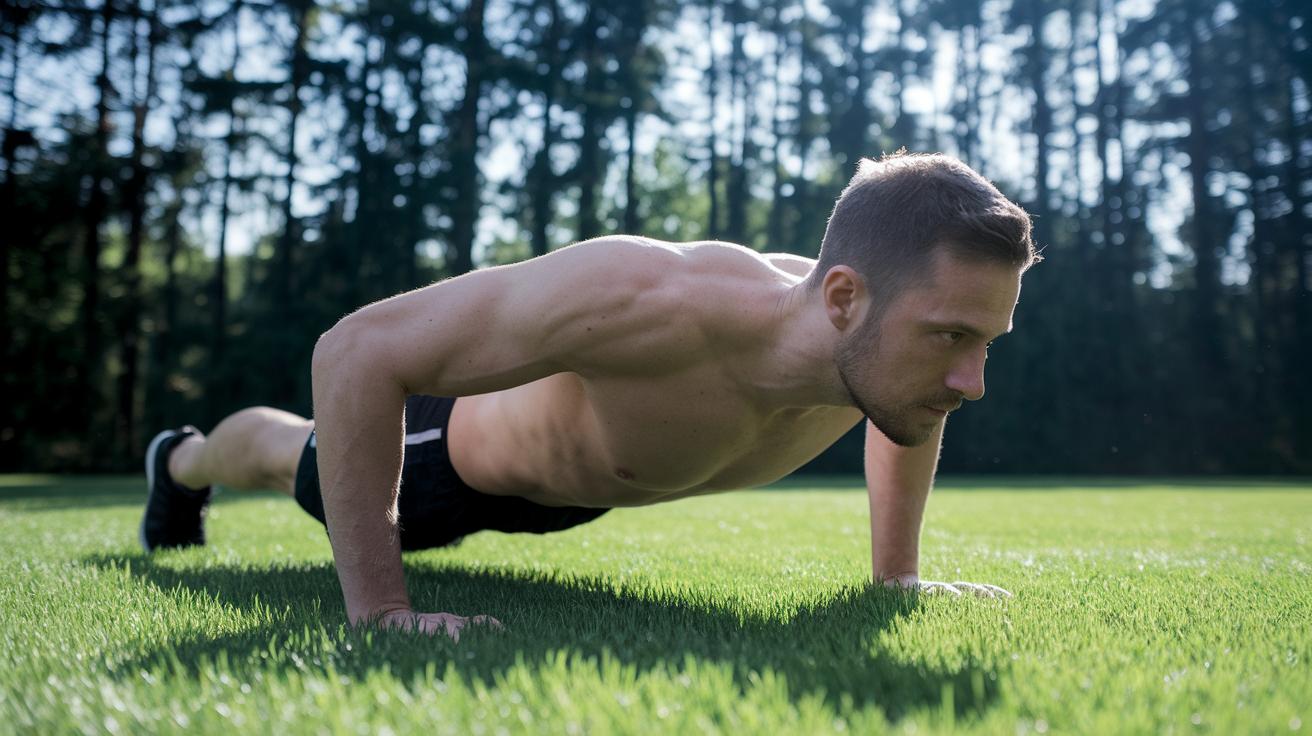
Bodyweight exercises use your own body weight to improve strength, boost your heart rate, and enhance flexibility, all without extra gear. They naturally work your muscles together through moves like push-ups, squats, and planks. Fun fact: even a simple set of squats fires up several muscle groups at once, turning basic movements into surprisingly effective workouts.
One study over ten weeks showed improvements in most fitness areas. Participants boosted their aerobic capacity, muscular endurance, and flexibility. In another trial, people doing an 11-minute session three times a week for six weeks saw increases in VO2 max (the rate at which your body uses oxygen) and power output compared to a group that didn’t exercise. These results highlight how powerful and measurable bodyweight training can be.
Besides building strength, bodyweight workouts improve balance and joint stability. When you perform exercises like these, especially barefoot, it enhances your mind-body connection by sharpening the signals between your brain and muscles. In truth, this type of training helps you develop better posture and alignment, making everyday movements smoother and more natural.
Cost is another big plus. You don’t need a gym membership or fancy equipment to get a great workout. Whether you’re in your living room or at a local park, you can easily adjust your routine by increasing repetitions or changing your movement speed. This keeps the challenge fresh and helps you stay focused on boosting your overall health.
Comparing Bodyweight Training to Traditional Gym Workouts
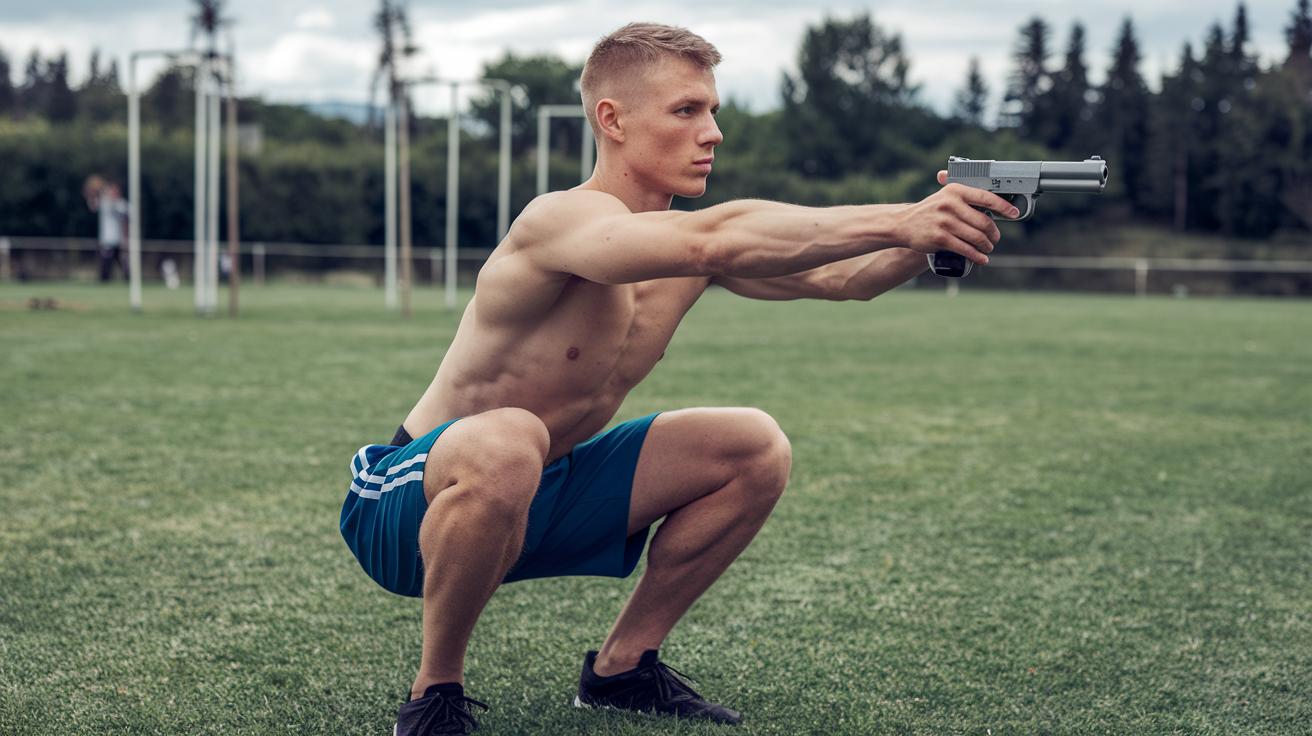
Bodyweight exercises can easily replace many gym machines. For example, try doing pistol squats instead of the leg press, push-ups in place of a chest press, bench dips instead of tricep push-downs, and regular pull-ups as a substitute for assisted pull-ups. These movements use your own body weight as resistance to build strength and boost endurance, all without any bulky equipment.
Using your own body for resistance encourages natural movement, which helps improve joint stability and functional strength. It works several muscle groups at once, much like the compound exercises you'd do at the gym, while also engaging smaller stabilizer muscles that enhance your balance and coordination.
Switching to bodyweight training also means you can skip costly gym memberships and expensive equipment. It's a budget-friendly way to work out that you can do almost anywhere, at home, in a park, or even on the go. With such flexibility, you can stick to a fitness routine that challenges your muscles, supports natural movement, and boosts overall wellness, all without having to step into a traditional gym.
Bodyweight Training for Strength Boost and Muscle Building

Bodyweight training is a smart and simple way to build strength and tone your muscles without needing fancy equipment. Basic moves like push-ups, squats, and different plank styles work several muscles at once, which means you get more done in less time. Studies show that doing 10 sets of 10 squat jumps in one session can spark real changes in your muscle fibers, helping you build strength while also sharpening your balance and stamina.
A neat trick to keep improving is called progressive overload. This basically means gradually making your exercises tougher. You could add extra repetitions, mix up the speed of your moves, or try fun variations like clap push-ups or even handstand push-ups. Imagine swapping your standard push-ups for clap push-ups, it's a quick, heart-racing move that makes your muscles work overtime! For those curious about the science behind muscle growth, there’s plenty of expert-backed advice available.
High-intensity interval training using your own bodyweight can also take your workout to the next level. By quickly switching between moves like squat jumps and various push-ups, you keep your heart pumping and your calorie burn high. You might even add simple tools like a pull-up bar or suspension straps to explore different ranges of motion. These tweaks not only challenge your muscles but also boost your endurance, making every session feel fresh and rewarding.
- Increase your reps little by little to build consistent strength.
- Change up your tempo to add some extra challenge without needing more weight.
- Try out more advanced moves as you get comfortable with the basics.
Every small change you make in your routine can help you progress naturally and keep your workouts interesting. Bodyweight training is a flexible and effective way to build muscle and boost your strength, making it a great option for anyone looking to get fitter.
Fat Loss and Metabolic Benefits of Calisthenics
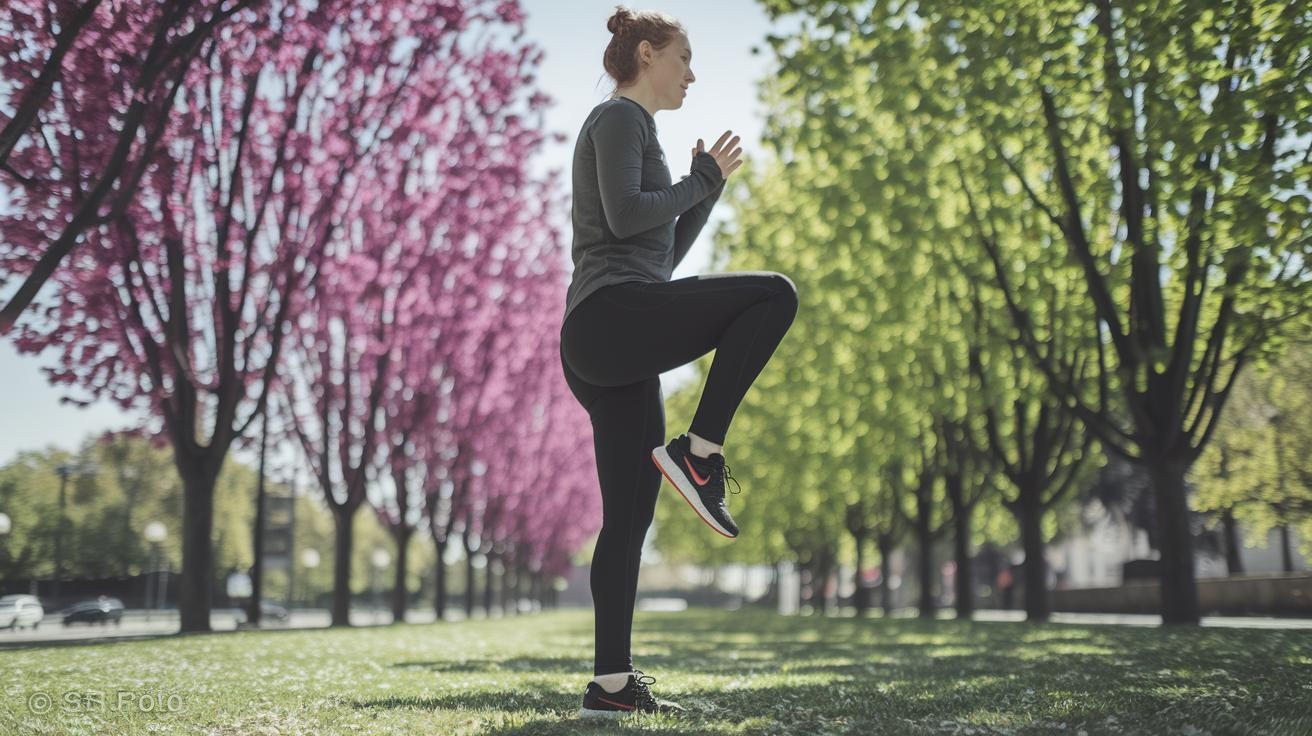
Have you ever given bodyweight calisthenics a try? It’s a fun way to lose extra fat while firing up your metabolism. When you move quickly from one exercise to the next with almost no break, your heart stays buzzing. This keeps your calorie burn high during the workout and even sparks a fat-burning boost afterwards.
These quick, interval-style workouts offer a double win. Not only do they keep your metabolism revved up after you finish, they also help build your endurance and aerobic fitness. In fact, one study found that just three short 11-minute workouts per week for six weeks improved participants' VO2 max (a measure of how well your body uses oxygen) and overall power compared to people who did no exercise. Every move, whether it’s high knees or mountain climbers, works hard to improve both your fat-loss and cardiovascular strength.
What’s great is that you can do calisthenics anywhere. By mixing intense moves with brief rests, you create a workout that constantly challenges your body. Here are a few ideas:
| Exercise | Perk |
|---|---|
| High knees | Quick leg engagement |
| Jumping squats | Builds lower body strength |
| Burpees | Merges strength with cardio |
These self-led drills pack a cardio punch and keep your metabolism humming. It’s a simple yet powerful way to make your daily routine a fat-burning session that feels both challenging and fun.
Flexibility, Balance, and Mobility Improvements with Bodyweight Training
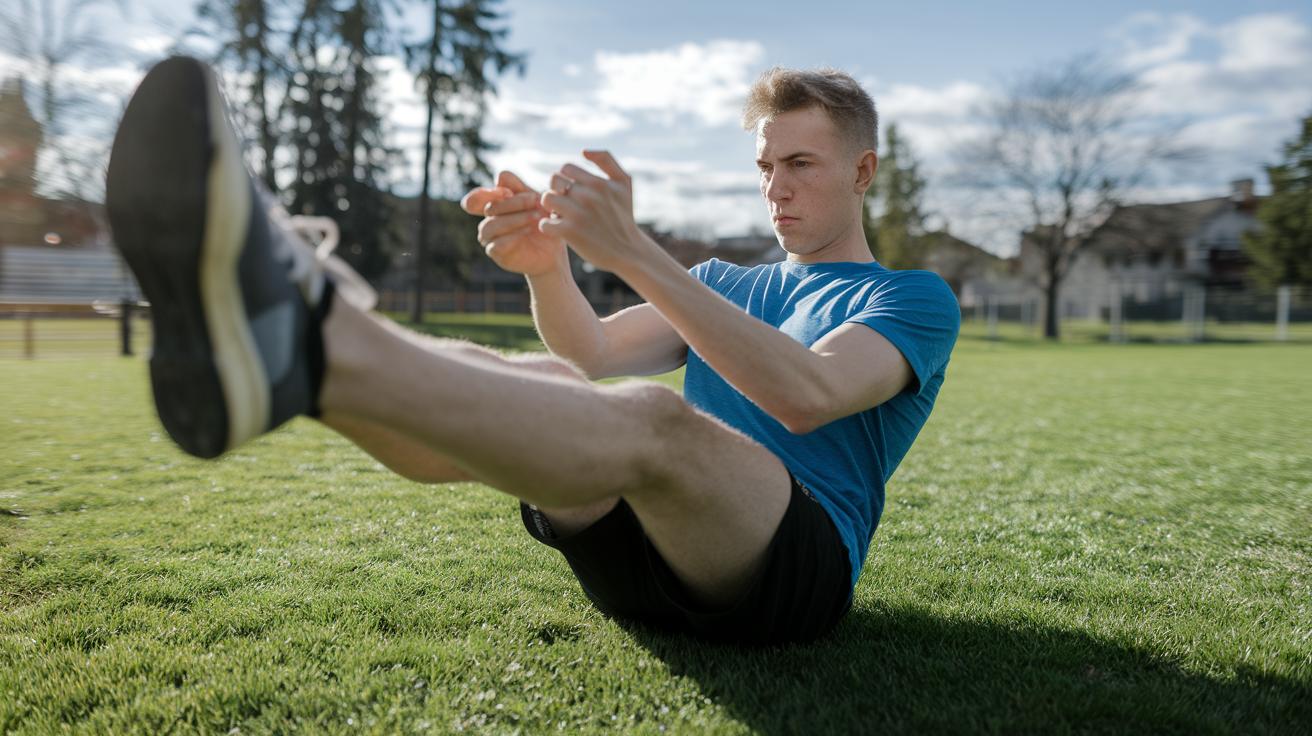
Adding in some dynamic stretches and mobility drills can really boost how well you move. Try out some leg swings or torso twists before you jump into tougher exercises. Think of it like warming up with a gentle dance that eases your hips and gets you ready for action. These moves not only loosen up your muscles but also gradually help your flexibility improve over time.
Next, focus on balance with moves like single-leg squats and plank reaches. These exercises work your stabilizer muscles, making it easier to stay steady when you're moving. Imagine standing on one leg and slowly bending the knee, feel your leg muscles getting stronger with every repetition. This not only builds balance but also supports your overall stability, whether you're in a workout or just going about your day.
Also, practicing barefoot training can really sharpen your sense of body awareness. We call this proprioception, a fancy term that simply means knowing exactly where your body is in space. Regularly doing these drills can help ease stiffness, support your joints, and even reduce discomfort from chronic issues. Little adjustments, done consistently, can make a big difference in how smoothly you move through everyday life.
Practical Tips to Start and Progress Your Home-based Bodyweight Program

Start by practicing basic moves such as squats, push-ups, planks, and lunges. These exercises are like the ABCs of bodyweight training, they help you learn the correct form. Begin with simple routines at home and let your own body provide the resistance. For instance, if push-ups feel too challenging at first, try doing them on your knees until you’re comfortable moving to the full version. It’s all about building confidence step by step.
Next, try progressive overload. This means slowly making your workout a bit tougher. If you usually do 10 squats, think about adding one or two extra reps each week. You might also try moving more slowly during exercises to feel a stronger burn. These small tweaks boost your strength and muscle endurance over time.
Now, organize your program into three distinct phases:
| Phase | Focus |
|---|---|
| Foundation | Perfect your form with slow, deliberate moves |
| Build | Increase effort by adding more reps or mixing moves like a lunge with a twist |
| Advance | Introduce circuits or tougher variations like decline push-ups and single-leg squats |
Try to stick to three workout sessions per week. Research shows that regular training, sometimes just six weeks of consistent effort, can really boost your endurance and cardio capacity. Keep a simple log to track how many reps or how long you exercise, and always allow at least 48 hours of rest between workouts so your muscles can recover.
And don’t forget to check in with a physical therapist now and then. They can offer tips on your form and help prevent strain, so your home workout stays safe and effective. Little by little, these changes will turn your routine into a fun, challenging program that grows along with your strength and confidence.
Injury Prevention and Rehabilitation Benefits Using Bodyweight Exercises
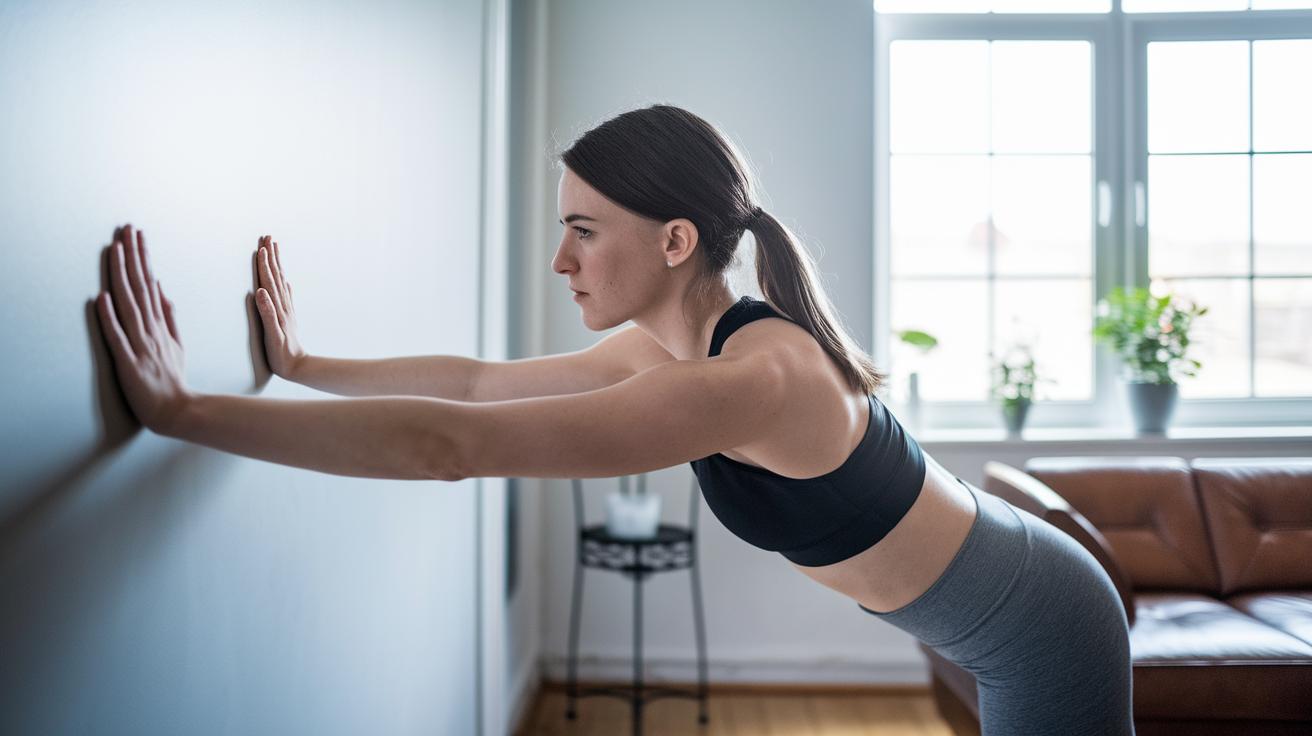
Bodyweight exercises are a really smart way to safeguard your joints while building strength. They use gentle, controlled movements that naturally ease joint strain, giving you a functional workout that feels good. For example, try wall pushes. Stand a few feet from a wall and gently push off. This easy move relieves shoulder tension and gives your upper body a nice, warm-up boost.
Physical therapists often recommend these exercises because they help improve mobility and reduce pain. By carefully working your muscles without adding extra weight, you not only enhance strength but also boost the teamwork between your muscles and nerves (neuromuscular coordination is just a fancy way of saying that your nerves and muscles work better together). This improved coordination plays a big part in cutting down your risk of everyday injuries.
- Wall pushes help ease shoulder pressure.
- Glute bridges work on lower back and hip strength.
- Bird-dogs improve balance and core stability.
Each movement supports recovery and makes progress possible for anyone, no matter your fitness level. With regular, mindful practice, you can recover more comfortably, keep moving freely, and enjoy an active lifestyle.
Final Words
In the action, the post explored bodyweight training’s versatility, from boosting strength and endurance to enhancing flexibility and balance. We discussed how simple moves can lead to big improvements in overall wellness and even aid in injury prevention.
These insights break down the benefits of bodyweight training in clear, practical steps. Embrace these ideas and start feeling the positive changes in your health and daily routine. Enjoy every step toward a stronger, more vibrant lifestyle!
FAQ
What are the benefits of bodyweight training?
The benefits of bodyweight training include improved strength, endurance, flexibility, and balance. It supports muscle building and cardiovascular health while offering a practical, equipment-free workout you can do anywhere.
What are the advantages of bodyweight exercises, such as those noted on Reddit or in PDFs?
The advantages include convenience, cost-effectiveness, improved balance, strength, mobility, and injury prevention. They also boost cardiovascular health and overall functional fitness without needing a gym.
What are the disadvantages of bodyweight exercises?
The disadvantages include limited ability to progressively overload muscles compared to weights. Some exercises may eventually require additional support or tools to continue challenging your strength gains.
Are bodyweight exercises enough to build muscle?
The bodyweight exercises can build muscle when you incorporate progressive overload through increased repetitions, varied tempos, or advanced movements that continually challenge your muscles.
Is bodyweight training at home effective compared to traditional gym workouts?
The home-based bodyweight training is effective. It builds strength, endurance, and balance while saving money and allowing you to work out anywhere without expensive equipment.
How does bodyweight training compare to weight training?
The bodyweight training offers natural, functional movement benefits. While weight training allows precise load adjustments, self-resistance exercises promote joint stability and full-body engagement without extra gear.
How do circuit training and high-intensity interval training (HIIT) enhance bodyweight workouts?
The circuit training and HIIT methods boost your heart rate, increase calorie burn, and enhance aerobic capacity. They offer quick, efficient routines that challenge your muscles and improve endurance simultaneously.
How do exercises like lunges and squats contribute to overall strength?
Lunges and squats build leg and core strength while improving balance and joint stability. These moves enhance everyday functionality and support overall body endurance and coordination.
What benefits do calisthenics add to a bodyweight training routine?
Calisthenics add full-body engagement that improves coordination, flexibility, and balance. These dynamic, natural movements strengthen multiple muscle groups and help build functional, sustainable fitness.