
Have you ever felt like your emotions are all mixed up and wished you could see them clearer? Plutchik's Wheel of Emotions is a neat tool that maps out how our feelings connect. Originally designed in 1980 by an American psychologist, it breaks our main feelings like joy, sadness, and fear into easy-to-see layers marked by bright colors. It even shows how tiny mood shifts can flip these feelings around, almost like a quick switch. In this guide, we're diving into its background, design, and how it can help clear up your emotional picture.
Definition, Origin, and Theoretical Foundation of Plutchik’s Emotion Model
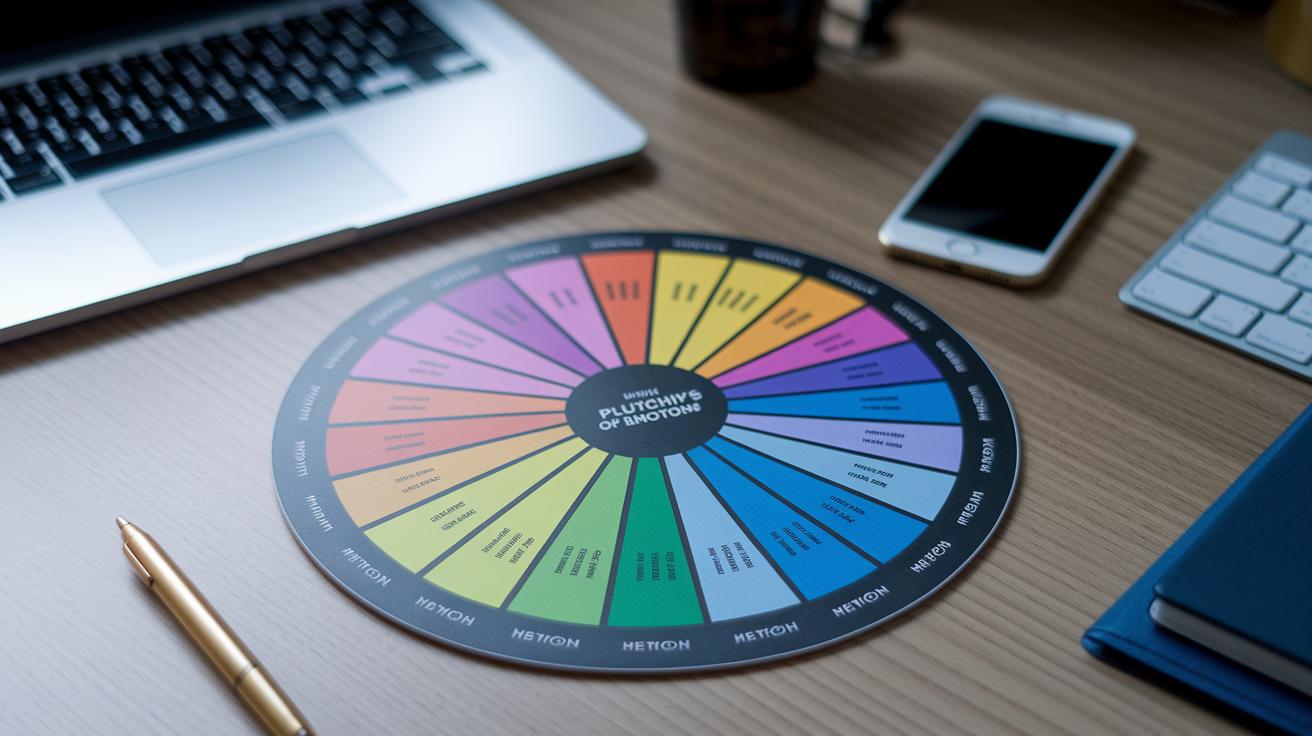
Plutchik's Wheel of Emotions is a tool that shows how feelings connect by placing them in a circle. It was created in 1980 by an American psychologist and highlights eight core emotions: joy, sadness, trust, disgust, fear, anger, surprise, and anticipation. Each of these feelings is further split into more detailed layers, making it easier to see the small shifts in what we feel. It’s an intuitive system that helps us understand and talk about our emotions.
This model was built as a tool for self-exploration and professional use. It explains that our emotions evolved to help us react to our surroundings. In other words, our feelings aren’t random; they are natural responses that have helped us survive throughout history. With its solid scientific roots and clinical reviews, the model shows how we can better recognize and control what we feel.
Structural Design: Emotion Pairs, Intensity Layers, and Color Mapping
Plutchik arranged the eight key emotions into four pairs of opposites: joy versus sadness, trust versus disgust, fear versus anger, and surprise versus anticipation. These opposing pairs help us see how one emotion can contrast sharply with another. For example, when you go from feeling down to suddenly uplifted, you're experiencing a natural flip between two opposing moods.
The wheel uses layers to show how strong an emotion is. The outer layer shows the most obvious feelings, and as you move inward, you see more subtle variations. Think of it like peeling an onion , every layer brings you closer to the true heart of your emotion.
A neat feature of this model is its color coding. Each primary emotion gets its own color, and slight changes in the color’s depth show if the feeling is strong or soft. For instance, a bright yellow might mean a burst of joy, while a deeper blue could show a tinge of sadness. This simple color guide helps you spot changes in your mood quickly.
Plutchik's model combines clear scientific ideas with practical ways to understand how our emotions work. Whether you’re using it to reflect on your feelings or in a clinical setting, it provides a reliable map for navigating the complexities of your emotional world.
The Color-Coded Emotion Spectrum on the Wheel of Emotions
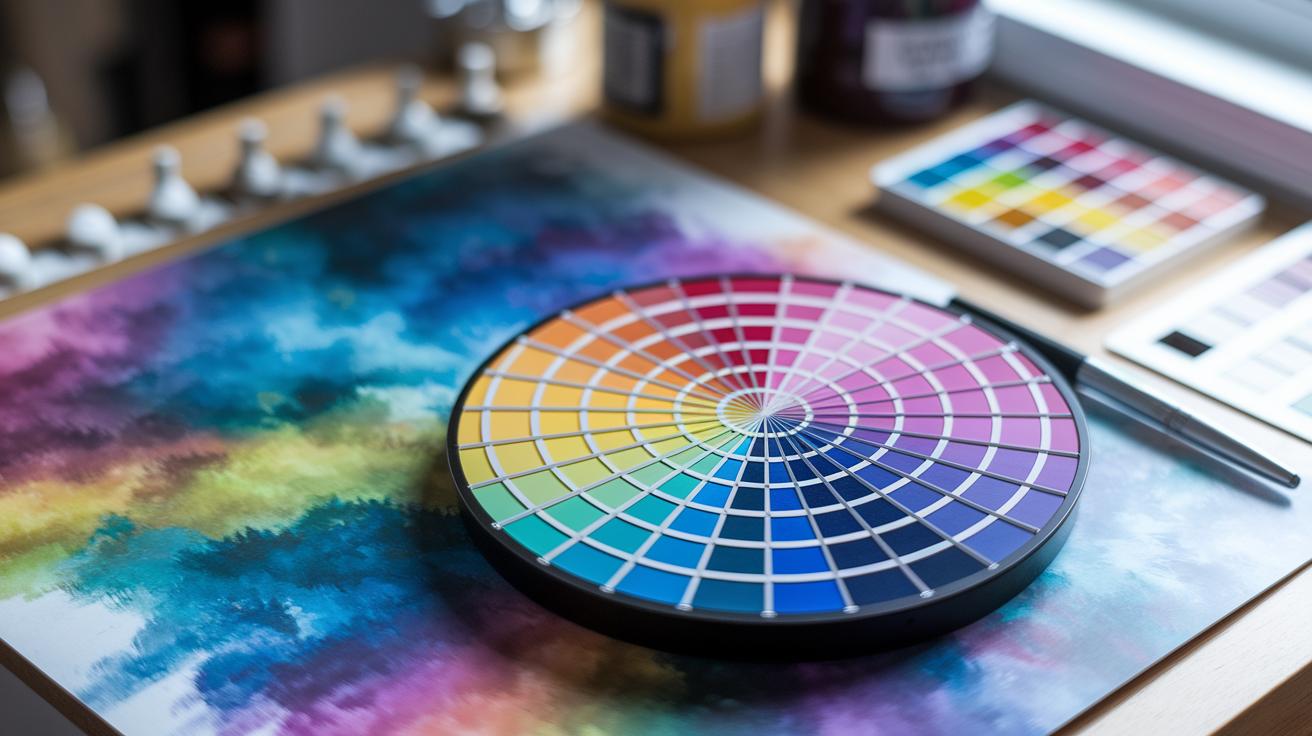
Earlier sections assigned simple colors to core feelings. Here, we explore how changes in brightness and depth reveal even more about our emotions. Rich, deep colors show strong feelings, while softer hues hint at lighter moods.
Think of it like mixing paint. A dark, deep blue might capture a heavy dose of sadness, while a pale blue suggests a calmer, gentler vibe. Imagine colors whispering to your soul, vivid shades full of energy paired with softer tones that gently soothe.
By noticing these subtle shifts, the system goes beyond basic color labels to capture a fuller picture of your feelings. This approach helps you understand your mood in a clear, thoughtful way.
Practical Steps to Use the Wheel of Emotions for Self-Reflection

Imagine starting your day with a quick check-in that feels like chatting with a friend. The wheel of emotions gives you a clear picture of what you're feeling by breaking down big emotions into smaller, more specific ones. It’s a handy tool that guides you step-by-step, making it easier to tune into and understand your inner world. Research shows that this simple habit can help you manage your feelings better and even boost your empathy over time.
Here's how to get started:
- Grab the PDF version or try out the interactive web version of the wheel.
- Dedicate a few quiet minutes each day to explore the different sections.
- Pick a general area on the wheel that matches your current mood.
- Zoom in further by looking at the detailed sub-emotions to pinpoint your exact feeling.
- Note down or say out loud what you're feeling, and consider any tips on coping or communication that come with it.
Taking a few minutes daily to track your emotions not only helps you understand them better, it also lets you notice patterns over time. This habit of clear labeling and reflection turns self-awareness into a practical routine, guiding you to adjust your mood strategies as needed and bringing more clarity to your emotional life.
Integrating the Wheel of Emotions into Therapy and Educational Settings

Educators often rely on the wheel as a friendly chart that helps kids learn the names of their feelings. In classrooms, teachers use bright, clear illustrations to make emotions feel real. Many schools now use the wheel to boost conflict resolution and communication skills. This simple tool turns the invisible world of feelings into easy-to-understand ideas that make every lesson both fun and meaningful.
Therapists find the wheel just as useful for adults. It acts as a handy toolkit for recognizing and naming emotions in everyday life. In both therapy sessions and training, this chart helps people develop empathy and better control their emotions. In fact, studies show that using this visual aid can reduce mislabeling feelings while building overall emotional intelligence.
Overall, this approach works well in many different settings. Whether you’re a child or an adult, the wheel’s straightforward design encourages clear expression and opens up better conversations about feelings.
Accessing Downloadable and Printable Wheel of Emotions Resources

Exploring your feelings can be both fun and enlightening. We offer free resources like a lively 44-page PDF eBook, individual PDF wheels, and even interactive online tools that let you dive deep into your emotions. These printable charts work great for your journal, a classroom setting, or a therapy office, making it easy for anyone to get started.
If you’re into digital tools, there are plenty of options available too. Many digital feelings worksheets pair with mental-health apps to help you track mood changes and reflect on your day. Imagine tapping on your phone or computer to explore what you feel, a hands-on way that fits all ages and lifestyles!
No matter your age, from preschoolers to adults, there’s a version designed just for you. Whether you choose a detailed interactive model or a simple printable layout, these resources invite you to engage with your emotions openly and naturally. And the best part? They’re all completely free!
Final Words
In the action, this article broke down the essence of Plutchik’s emotion theory while exploring how the wheel of emotions maps out feelings using color and intensity. It showed clear methods to use the tool for self-reflection and shared ways to improve emotional insight in therapy and educational settings. You saw practical tips to help track and manage moods, making everyday wellness more accessible. Embrace this fresh take on emotional wellness, and let each step light up your path to better feeling and greater understanding.
FAQ
What is a wheel of emotions?
The wheel of emotions visualizes primary and secondary feelings using a circular design based on Plutchik’s model, helping us recognize, label, and reflect on our moods in a simple, accessible way.
Which basic emotions appear on the wheel and how many variations exist?
The wheel displays eight core emotions—joy, sadness, trust, disgust, fear, anger, surprise, and anticipation—with additional layers offering up to 27 distinct emotional nuances for deeper self-awareness.
What are the criticisms of Plutchik’s Wheel of Emotions?
Critics argue that the wheel may simplify the complexity of human feelings by grouping emotions into neat categories, potentially overlooking the full spectrum of our rich emotional experiences.
How can I access free or printable versions of the Wheel of Emotions?
Various free resources are available, including downloadable PDFs for adults and kids, printable charts, interactive spinners, and even themed items like a Wheel of Emotions pillow, all designed for easy everyday use.