
Ever thought a strong back only comes from gym workouts? Think again. You only need a pair of dumbbells and a bit of room at home to work on muscles like your lats (the large muscles on your back) and traps (the muscles that run along your shoulders). It’s like giving your back a mini spa treatment one exercise at a time.
Picture this: you're sculpting your back, fixing muscle imbalances and building strength with every move. In this guide, we break down three simple exercises that help you create a balanced, powerful back, no fancy gym equipment required.
Ready to push your limits and enjoy that refreshing burst of energy with every controlled rep? Let's get started and feel the real difference together!
Complete At-Home Dumbbell Back Workout: 8 Essential Moves
This routine is a smart way to strengthen your back using nothing more than a pair of dumbbells at home. It hits the main back muscles like the lats (the large muscles on the sides of your back), rhomboids (the muscles between your shoulder blades), and traps (muscles that run along your upper back), while also working other areas like your chest, triceps, and glutes. Using dumbbells lets you adjust the angle of your exercises to fix any muscle imbalances you might have.
The workout mixes moves that use both arms together and one arm at a time to build balanced strength. And if you're just starting out, you can use lighter weights, slow down your pace, and still get a full range of movement. Aim for 3 sets of 8 to 12 reps per exercise, and tweak it if you need to, so every rep is controlled and effective.
- Bent-Over Dumbbell Row: This exercise targets your lats and rhomboids while also giving a boost to your chest, triceps, and glutes.
- Single-Arm Dumbbell Row: Focuses on both the upper and lower parts of your back and even works your biceps and core for extra stability.
- Dumbbell Deadlift: By hinging at your hips, you can build strength in your back, hips, glutes, and hamstrings.
- Reverse Fly: This move is great for isolating the rear delts (the muscles at the back of your shoulders), rhomboids, and traps by opening your arms wide in a controlled way.
- Upright Row: Works your traps and shoulders, and keeping a good form here helps protect your shoulders.
- Renegade Row: A combination of a plank and a rowing move that challenges your upper back, shoulders, abs, and even your quads.
- Dumbbell Shrug: Lifts your shoulders to work the traps and engages the small muscles along your spine.
- Lat Pullover: Activates the latissimus dorsi (the large back muscles) and also builds strength in your chest and triceps.
Keep your focus on good form and really connect with your muscles during each move. Think about making each repetition deliberate, using a slow lowering phase to maximize the muscle work. If you notice your form starting to falter, it might be a good idea to reduce the weight so you can keep the exercise both controlled and effective.
Warm-Up Techniques for a Safe Dumbbell Back Session

Start your routine with a quick burst of light cardio for about 5 minutes, imagine jogging in place or doing a few jumping jacks to gently wake up your heart. Next, grab a foam roller and slowly roll over your lats and the upper part of your back while raising your arms overhead. This is a soothing way to get your muscles ready. Then, get down on all fours for scapular spreads, which means spreading your shoulder blades wide, and follow up with dynamic stretches like arm circles, gentle torso twists, and a few bodyweight squats. These moves work together to boost blood flow and warm up your muscles, ligaments, tendons, and joints, helping you avoid injury and get the most out of your back workout.
Now, let’s look at why each step is important. When you foam roll, you’re effectively massaging deep into your lats and upper back, which helps relax tight areas and improves your range of motion. Scapular spreads activate those small stabilizer muscles around your shoulder blades, these are key for keeping your form solid during dumbbell lifts. And dynamic stretches, like controlled arm circles and torso twists, involve both your upper and lower back, while bodyweight squats fire up your entire posterior chain. Altogether, these exercises prime your body for a safe and effective training session at home.
Advanced No-Bench Dumbbell Back Variations
Unilateral Deadstop Row
Stand with your feet about shoulder-width apart and hinge forward at your hips while keeping your back flat. Grab a dumbbell in one hand and slowly lower it all the way to the floor on each rep. This careful, controlled move really wakes up your lower lats (the muscles along your lower back) and the core muscles that help keep you stable. You feel every bit of the work when you lift without using extra momentum.
Seal Row
Lie face down on a flat surface, or even stack up a few mats if you don’t have a bench. Hold a dumbbell in each hand and row them out to the sides, focusing on squeezing your mid-back muscles with every pull. This strict motion makes it easy to target your back muscles, so you don’t need any fancy equipment to get a great workout.
Batwing Row
Lie on your stomach on a stability ball or simply on the floor, making sure your chest nearly touches the surface. With your elbows kept wide, lift the dumbbells upward to work your upper traps (the muscles at the top of your back) and rear delts (the muscles on the back of your shoulders). This wide-armed move not only builds back strength but also helps keep your shoulders steady and supports a healthy posture.
Chest-Supported Row
Set up on an incline surface or pile a few mats under your chest for support, and lean forward into a strong, secure position. Then, row the dumbbells with a strict form, making sure to pull with your rhomboids (the muscles between your shoulder blades) every time. Keeping your spine neutral is key to making sure you get the full benefit of this exercise without relying on extra momentum.
3 back exercises at home with dumbbells: Strong

Start with the Romanian Deadlift. Stand with your feet about shoulder-width apart and give your knees a slight bend. Hinge at your hips while keeping your back nice and neutral, think of it like carefully lowering a treasured item into a safe spot. This move warms up your lower back muscles and tightens those hamstrings. Keep your core engaged and your shoulders lined up with your hips, and move slowly as you lower yourself to avoid using momentum.
Next, try the Good Morning. Stand with your feet about hip-width apart and hold a dumbbell close to your chest. Gently lean forward from your hips while making sure your back stays flat, almost like giving a respectful bow. This exercise really focuses on your lower back muscles, helping to build a strong foundation for everyday activities. It’s all about that slow, controlled movement to get the best results.
Finish with the RDL Row. Start with the hip hinge movement similar to the Romanian Deadlift, then add a rowing twist by pulling the dumbbell toward your hip on each rep. This exercise not only works your lower lats but also challenges your core to stay steady. Picture yourself pulling with precise strength, building up genuine back muscle with every slow, controlled contraction.
Posture Correction and Core Synergy with Dumbbell Back Training
Have you ever noticed how a strong back can transform your posture? When you work on your back muscles, you’re not just building strength, you’re giving your spine the support it needs, especially if you spend hours at a desk. Moves like the Renegade Row target your lats (the broad muscles on your back) and boost your core stability, sharpening your posture with each controlled rep. Picture it like reinforcing an internal pillar: deliberate shoulder blade pulls and slow, careful movements teach your body to hold up better and share the load evenly.
Now, consider pairing these exercises with planks that include dumbbell pulls. As you draw the weight in a steady plank, imagine your midsection acting like an anchor, keeping everything in place. This simple yet powerful motion not only fortifies your core but also fine-tunes your back, guiding your shoulders and spine into perfect harmony. Every mindful pull retrains your form, turning each workout into a step toward a healthier, more unified body.
Cooldown and Recovery Strategies for Dumbbell Back Workouts
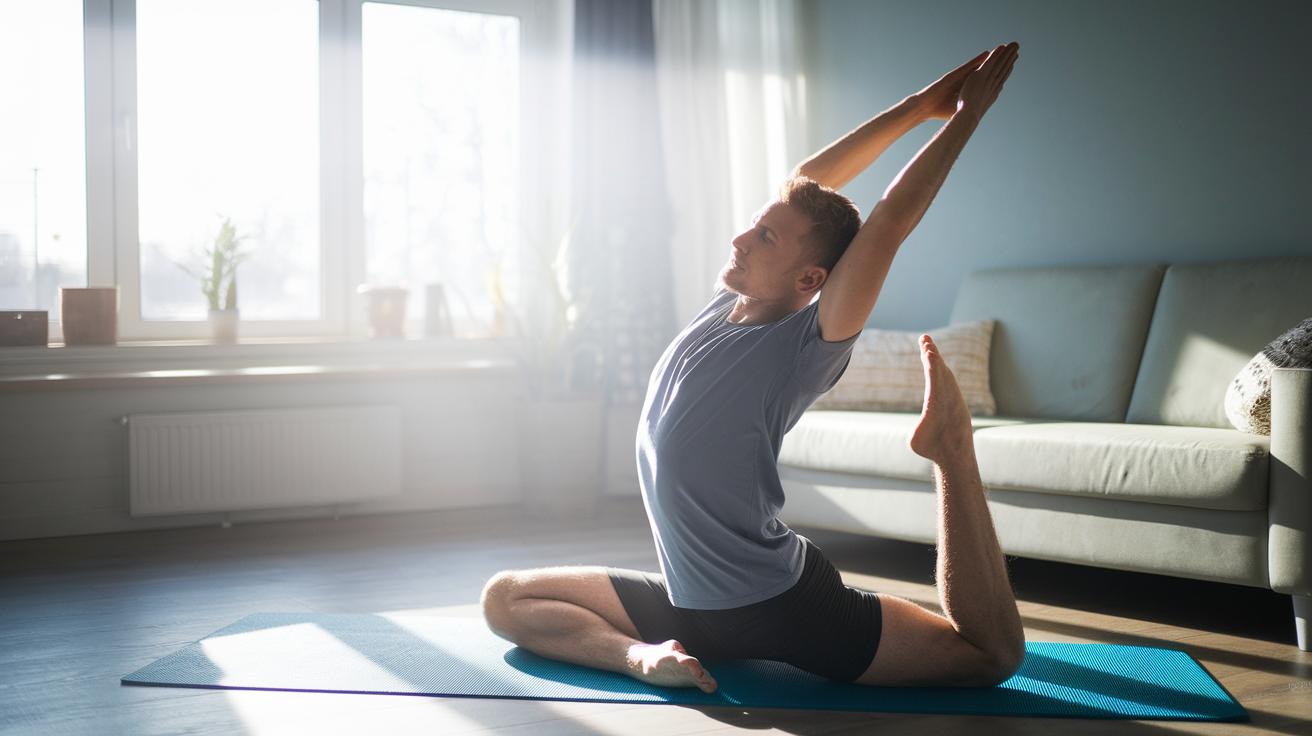
After your workout, take a few minutes to cool down and help your muscles recover. Start with some gentle, static stretches for your lats (the muscles on the sides of your back), trapezius (the upper back), and erector spinae (the muscles running along your spine). Hold each stretch for about 30 seconds and take deep, slow breaths to boost your blood flow. Imagine slowly raising your arms over your head and bending gently to each side, feeling a soothing pull in your back.
Next, grab your foam roller and work it over any tight spots along your back. Follow up with some light thoracic mobility drills, simple movements to ease tension in your upper spine. For extra recovery, try a short walk or a few easy bodyweight exercises that get your posterior chain (the muscles along the back of your body) moving gently.
And don’t forget, giving your muscles a full 48 hours of rest before your next heavy back workout is key. This break lets them repair, grow stronger, and ensures you’re all set for your next session.
Final Words
In the action, we covered a complete dumbbell back workout routine that starts with safe warm-ups, builds strength through varied movements, and ends with effective cooldown strategies. Each section gave you practical tips to keep your form sharp and your muscles engaged.
By following these steps, you’re set to improve posture and add core stability along the way. Keep practicing these back exercises at home with dumbbells and feel the difference as you move toward a stronger, healthier self.
FAQ
Frequently Asked Questions
How do I perform a back workout with dumbbells for females at home?
A back workout with dumbbells for females at home focuses on moves like bent-over rows and single-arm rows. These exercises target both upper and lower back muscles while boosting strength and posture in a friendly, approachable way.
What dumbbell back exercises can I do at home without a bench?
Dumbbell back exercises without a bench include seal rows and batwing rows. These moves build mid-back strength using body positioning and dumbbells while keeping the routine simple and effective for home workouts.
How should I perform lower back exercises at home with dumbbells?
Lower back exercises at home with dumbbells, such as Romanian deadlifts and good mornings, involve controlled hip hinging. These moves build strength by engaging the lower back and core while protecting the spine during each repetition.
Can I build back muscle with just dumbbells?
Building back muscle with dumbbells is achievable through moves like bent-over rows, renegade rows, and lat pullovers. These exercises effectively target various back areas, helping increase muscle tone and overall strength at home.
What is the best back exercise to do at home?
The best back exercise at home depends on your goals; bent-over rows are a popular choice, as they target multiple back muscles. Pair them with pullovers to work the lats and create a more shaped back.
How can I tone my back quickly with dumbbell workouts?
Toning your back quickly involves consistently performing dumbbell moves such as rows and deadlifts. These exercises enhance muscle firmness and support improved posture when done regularly with proper form and technique.
How do bent-over rows, side lateral raises, and deadlifts contribute to back strength?
Bent-over rows work deep back muscles, side lateral raises support shoulder stability, and deadlifts engage the lower back and core. Combined, these exercises deliver a balanced strength boost and enhance overall back development.
How does a dumbbell pullover benefit the back?
A dumbbell pullover benefits the back by targeting the latissimus dorsi and chest muscles. This move helps widen the upper back and support better posture during a full dumbbell workout routine.
What is a V-shape back workout with dumbbells?
A V-shape back workout with dumbbells emphasizes exercises like bent-over rows and pullovers. These moves work to widen the upper back while creating a more defined midsection that supports an attractive, balanced silhouette.