
Have you ever wondered if you can build serious strength using just your own body weight? Bodyweight training and calisthenics (exercises that use your body's weight for resistance) let you do just that, without any heavy equipment. Each move, from push-ups to squats, works several muscles at once, giving you a balanced workout. And the best part is you can do it anywhere, whether you're at home, enjoying the outdoors, or even on the go. In this post, we'll explore how these simple, natural exercises can boost your strength and help you stay active safely every day.
2. bodyweight training and calisthenics: Boost Your Strength
Bodyweight training and calisthenics use your own body for resistance, which makes them different from workouts that use weights. They focus on natural movements that work several muscles and joints at the same time. For example, doing a push-up not only works your chest but also your shoulders and back, giving you a well-rounded workout. Fun fact: many top Olympic athletes use these exercises because they build strong, full-body power without needing fancy gym equipment!
One of the best parts is how flexible this approach is. You don't need any special gear, so you can work out at home, outside, or even when you're traveling. Simple moves like squats, lunges, planks, dips, and hollow body holds help build strength and endurance while also improving your flexibility. Plus, since you're using natural body movements, there's less risk of injury than you might face with heavy weights. If push-ups feel too hard at first, try switching to knee push-ups, they're a great way to build up your strength safely.
Calisthenics also gives your mood a boost. These full-body movements trigger the release of endorphins (feel-good chemicals) that help reduce stress and improve your overall mood. You build a strong, balanced body that’s more resilient and less likely to suffer from joint aches. It's a fantastic way to take care of your body without needing an expensive gym membership or complicated routines.
Calisthenics Basics: Essential Bodyweight Exercises for Beginners
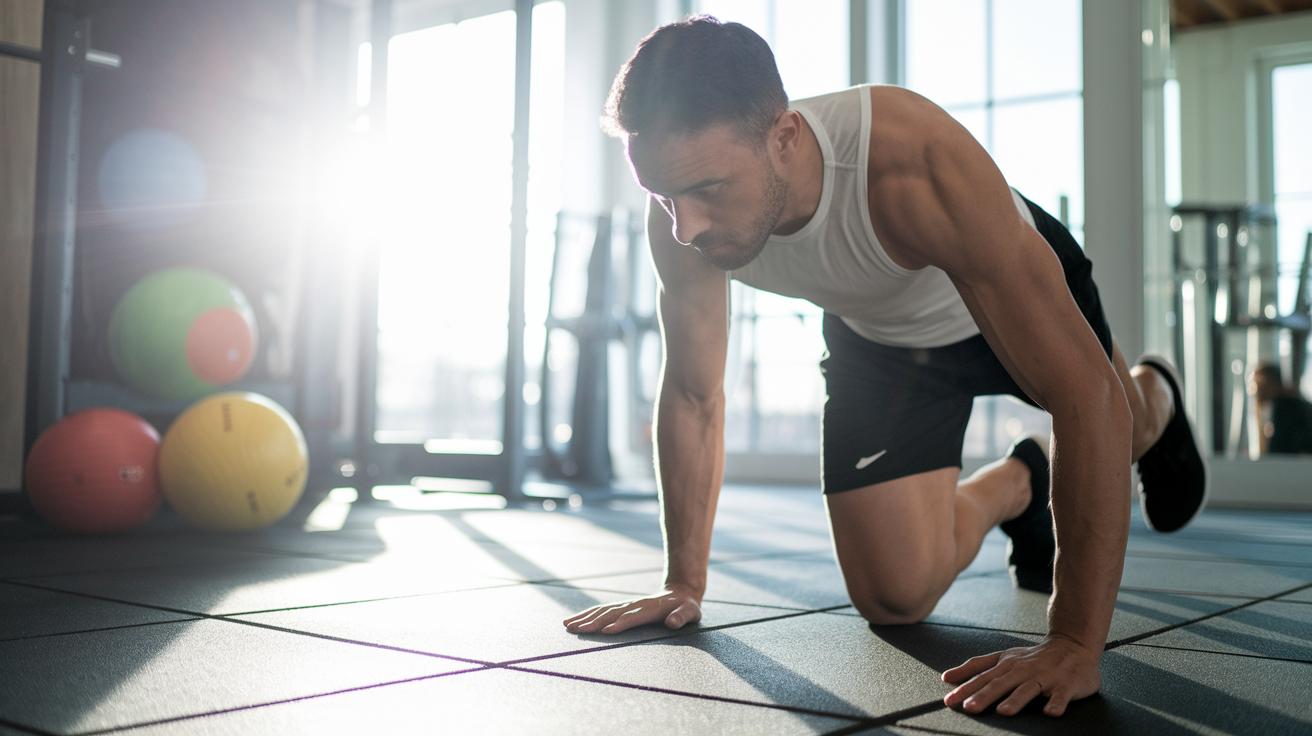
Bodyweight training is a great way to build strength using just your own body. With every move, be it a push-up, squat, or plank, you work several muscle groups like your chest, shoulders, back, and legs. Start by focusing on proper form; for instance, keep your back straight and use a slow, steady pace. If a standard push-up feels too challenging, try a knee push-up until you feel ready to progress.
After you’re comfortable with the basics, it’s time to mix things up. Experiment with variations like assisted pull-ups or even a more dynamic, explosive push-up. Always keep form as your top priority and view modifications like knee push-ups or assisted pull-ups as helpful stepping stones. For more tips and exercises, check out our beginner strength training guide.
- Push-ups (begin with knee push-ups if needed)
- Squats
- Planks
- Lunges
- Pull-ups (or assisted pull-ups for a safer start)
- Dips (using a bench or chair for extra stability)
- Hollow Body Hold
Crafting Your Calisthenics Workout Plan at Home
When you set up a bodyweight and calisthenics routine at home, it’s all about finding what works for you right now and gradually building on it. Start simple by planning sessions with beginner moves. For example, you could kick things off with a 30-second Hollow Body Hold for three sets, paired with a Bulgarian Split Squat and Push-Up combo for four sets of ten reps. This kind of routine builds your core strength and balance while teaching you proper form and control.
Deciding how long each workout should last can really boost your progress. You might try a structured program like a 30-day calisthenics challenge or mix days that focus on skills with days that target strength. Remember to include a warm-up and cool-down to get the most out of each session. As you gain more confidence, you can add intermediate moves like inverted rows and elevated push-ups to keep your workouts fresh and exciting while building endurance and muscle tone.
The secret to success is constant progression. Once you feel comfortable with the basics, mix up your routine by switching the exercise angles, changing your base for more balance, or even playing with the speed of your movements. For instance, swapping a standard squat for a dynamic Jumping Lunge (4 sets of 12 reps) can help improve your unilateral strength and stability. Later on, you might try moves like pistol squats, muscle-ups, or handstand push-ups. With a well-planned training schedule, you’ll keep moving forward and enjoying the benefits of a strong, balanced body.
Progressions: From Beginner to Advanced Bodyweight Training

Starting your bodyweight training journey means mastering the basics first. If you're just beginning, try modified moves like knee push-ups or assisted pull-ups. These exercises help you build a strong foundation by teaching proper alignment and balance. In short, they prepare you for standard variations down the road.
As you grow more confident, experiment with how you position your body and adjust your workout pace. You might switch from incline push-ups to decline ones or move from knee planks to full planks. For example, in squats, slow down during the lowering phase, pause for a few seconds at the bottom. This careful progress not only builds strength but also makes the transition to tougher moves, like t-push-ups and archer push-ups, feel smoother.
At an intermediate stage, consider boosting your routine by adding an extra set or a few more repetitions each week. A great example is the Jumping Lunge performed for 4 sets of 12 reps. This move safely brings in explosive power while keeping your form on track. Embrace these small changes as you move from beginner calisthenics to advanced bodyweight training. Over time, these adjustments in leverage, pace, and volume help build overall strength and empower you to tackle increasingly challenging movements. Have you felt how even tiny tweaks can elevate your workout routine?
Ensuring Safety and Proper Form in Bodyweight Workouts
Keep your body in line by focusing on a neutral spine, pulling your shoulder blades gently back, and making sure your knees point in the same direction as your toes. For a squat, picture holding a ruler along your back to keep everything even, this simple trick helps protect your lower back and shoulders. Beginning your workout with a few dynamic moves like arm circles, leg swings, or hip openers is a great way to wake up your joints and muscles and get them ready for action.
If you need gentler options, try low-impact moves such as wall push-ups, knee planks, or seated glute bridges. These alternatives give your joints a break while you build strength slowly, which is especially helpful for those new to calisthenics who want to enjoy exercise without the risk of strain.
After you finish your workout, spend a few minutes cooling down with stretches that target the hamstrings, hip flexors, chest, and lats. For instance, a calm chest opener stretch can ease away tensions, much like that slow, deep breath you take after a long run. These stretches help keep your muscles flexible and relaxed. By paying close attention to your form and including warm-ups and cool-downs, you lower your chances of wrist, shoulder, and lower back strains during more intense training.
Targeted Calisthenics Routines: Upper, Lower, and Core Focus
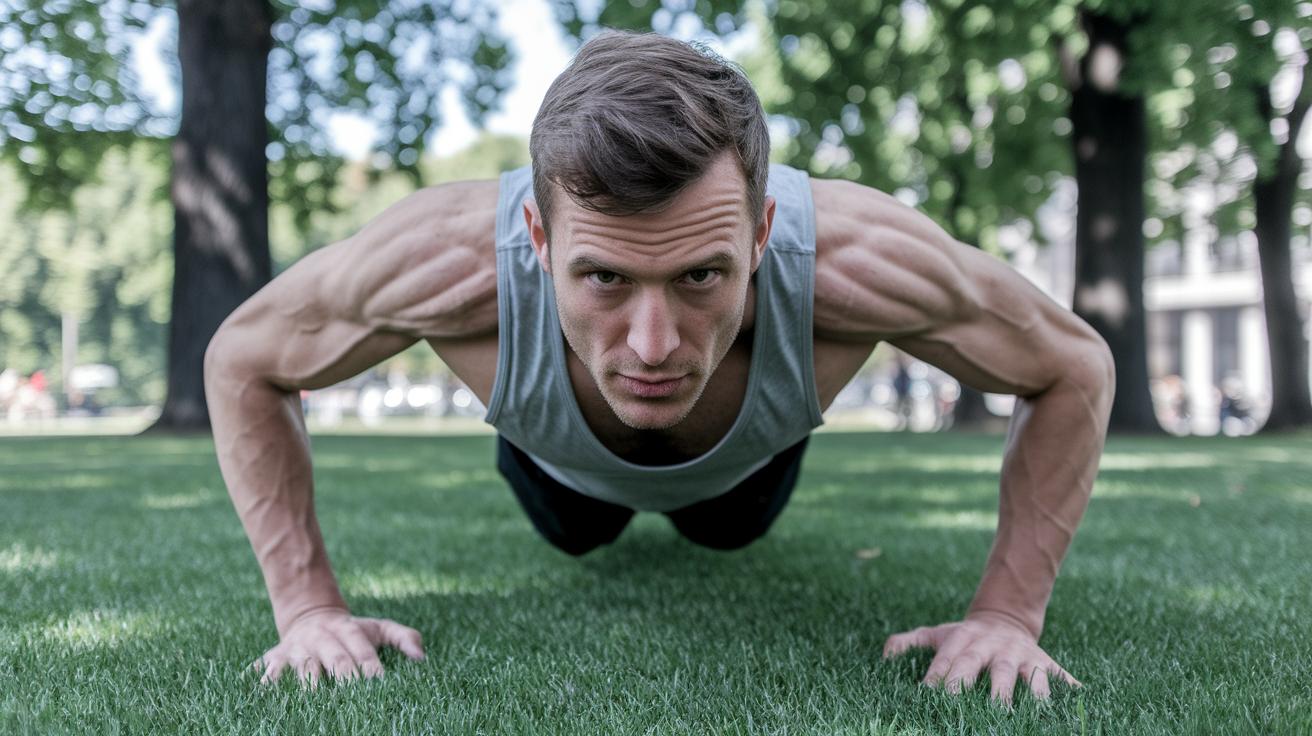
Calisthenics routines let you target different parts of your body. For your upper body, moves like push-ups, dips, and inverted rows work your chest, triceps, and back while building overall strength. Remember to keep a steady form and a smooth rhythm to stay within your rep goals.
For your lower body, exercises such as squats, lunges, and glute bridges focus on your quads, hamstrings, and glutes and also engage your core for extra balance and stability. The natural flow of these bodyweight exercises makes it easy to move seamlessly from one to the next.
Splitting your workout into these focused areas helps you build strength safely while preventing overexertion. This targeted method lets you adjust intensity based on how you feel. Start with sets that fit your current ability, then challenge yourself as your form and strength improve. Give these region-specific workouts a try to boost your overall fitness by concentrating on key muscle groups.
- Push-ups: 3 sets of 8 to 12 reps
- Dips: 3 sets of 6 to 10 reps
- Inverted Rows: 3 sets of 8 to 12 reps
- Squats: 3 sets of 12 to 15 reps
- Lunges: 3 sets of 10 to 12 reps per leg
- Glute Bridges: 3 sets of 12 to 15 reps
- Planks: 3 sets of 30 to 60 seconds
- Hollow Body Holds: 3 sets of 30 seconds
- Leg Raises: 3 sets of 10 to 15 reps
Enhancing Mobility, Flexibility, and Dynamic Bodyweight Circuits
Mobility drills and flexibility exercises can truly boost your bodyweight training routine. Start by making small circles with your joints to loosen up your shoulders and hips. Then try a dynamic lunge with a twist along with some arm and leg swings to help wake up your muscles, just like a refreshing morning stretch. Next, add deep squat holds, gentle hamstring stretches (focusing on the muscles at the back of your legs), and smooth spinal rolls to help widen your range of motion. Think of it as giving your muscles a gentle, effective tune-up.
For a mix of endurance and dynamic power, HIIT-style bodyweight circuits are a great choice. Try out high-energy moves like burpees, mountain climbers, and high-knee tucks performed in 30-second bursts. In between, ease into a quad stretch, a chest opener, and a hip flexor lunge to help relax and lengthen your muscles after an intense effort. Even small changes, like reducing your rest time, can noticeably boost both your endurance and mobility. Experiment to find the perfect rhythm, kind of like tuning into your favorite song. This routine turns everyday movement into a powerhouse workout.
Final Words
In the action of bodyweight training and calisthenics, every move matters. We covered how to master the basics, maintain safety, and build a workout plan that fits any space. You learned how foundational exercises can boost strength, flexibility, and mood while keeping things simple.
Keep exploring these science-backed tips and enjoy the natural burst of energy after every session. Embrace these ideas, and let each step add to your overall health and happiness!
FAQ
What is a calisthenics workout?
A calisthenics workout means training with your own body weight without added equipment, using compound moves like push-ups and squats to build strength and endurance.
How do I start a calisthenics workout plan for beginners?
A beginner calisthenics workout plan involves basic moves such as knee push-ups, squats, and planks; starting slow and focusing on proper form helps build strength and confidence.
Where can I find a calisthenics workout plan PDF?
A calisthenics workout plan PDF serves as a handy guide, available online from trusted fitness sites, offering structured routines and clear instructions for beginners and advanced athletes.
Can I combine calisthenics and weight training in one workout plan?
Combining calisthenics and weight training brings together bodyweight moves and external resistance exercises, creating a balanced routine that boosts overall strength and muscular development.
Is bodyweight training considered calisthenics?
Bodyweight training is essentially calisthenics since it uses your own mass for movement-based exercises aimed at improving strength, flexibility, and endurance.
Is 20 minutes of calisthenics per day enough for a workout?
Twenty minutes of calisthenics daily can be effective, offering benefits like increased strength and mobility when you maintain proper form and work at a good intensity.
What is the 80/20 rule in calisthenics?
The 80/20 rule in calisthenics means that most fitness gains come from a focused set of high-quality exercises, while the rest of your routine helps fine-tune overall performance.