
Ever wonder if you really need heavy weights to build muscle? You might be surprised to learn that your body can be your own gym. Simple exercises like push-ups and squats help you tone up, improve your balance, and build inner strength, all without expensive equipment. Even top athletes use these easy moves to gain power and confidence. Ready to turn everyday motions into a workout that fuels your muscle growth?
What Are Bodyweight Strength Training Exercises?
Bodyweight strength training exercises use your own body to build strength without any extra gear. They’re perfect for anyone, whether you’re cooking up a quick workout at home, enjoying some fresh air in the park, or making use of a small apartment space. Imagine starting with a wall push-up and then slowly working up to a regular push-up, small changes that really add up over time. It might surprise you to know that many top athletes rely on these simple moves to keep their training versatile and effective without heavy equipment!
Since you don’t need fancy machines or a lot of gear, these exercises mix strength training with cardio in one efficient workout. Whether you’re just starting out or looking to avoid heavy loads to prevent injury, working with your own weight helps you build muscle tone, improve balance, and sharpen your coordination. If you’re new to this approach and want some clear, beginner-friendly guidance, check out the strength training guide at https://nobrainertrends.com?p=178.
Essential Bodyweight Strength Training Moves for Full-Body Strength
-
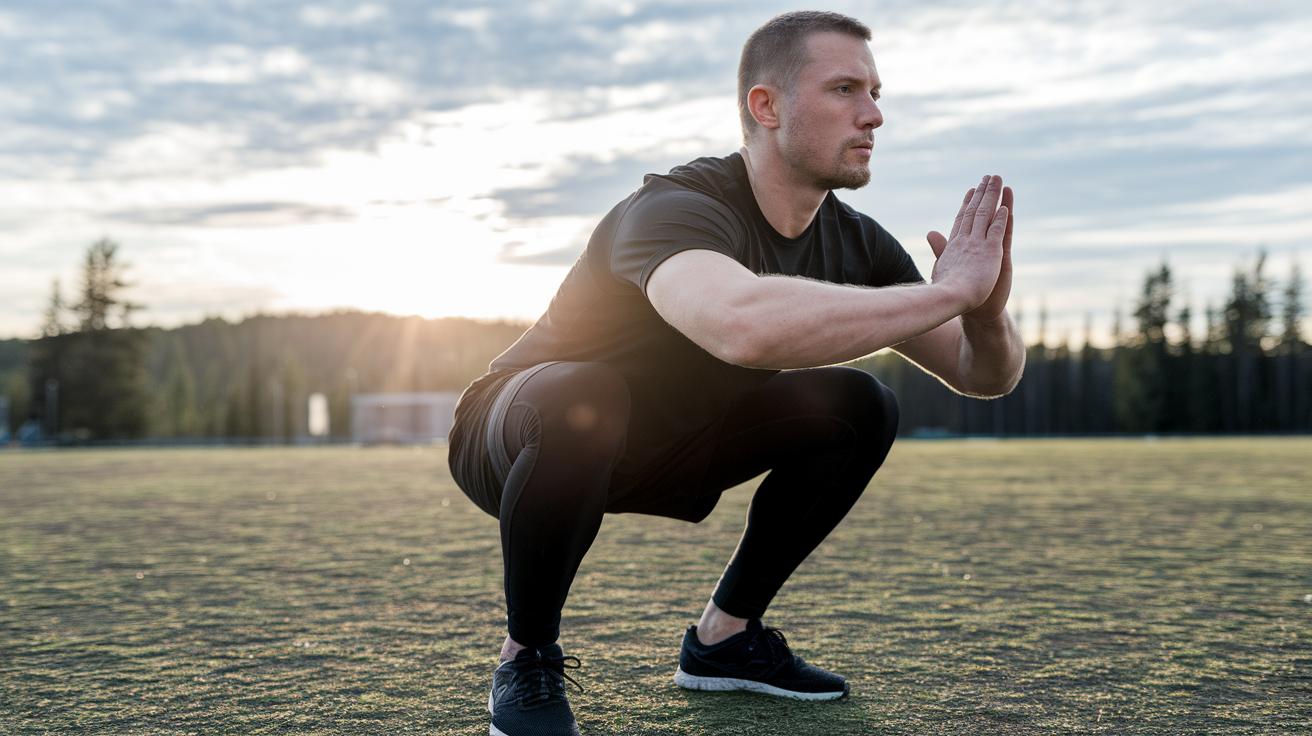
Bodyweight Squat – This move fires up your quads, hamstrings, glutes, and core. Stand with your feet about shoulder-width apart, lift your chest, and lower your hips slowly as if sitting into an invisible chair. Feel the smooth, steady motion with every descent and rise.
-
Single-Leg Deadlift – A fantastic exercise that targets your hamstrings, glutes, and core while testing your balance. Stand on one leg and gently hinge forward from your hips, extending the other leg straight back with a flat back. It’s like a balancing act that builds trust in your own stability.
-
Straight-Leg Sit-Up – This exercise focuses on developing core strength without straining your back. Lie down with your legs stretched out, then gradually lift your upper body towards your thighs. Move slowly and feel your core tighten with every controlled lift.
-
Elbow/Palm Plank – Think of holding a sturdy table edge with your whole body. This plank variation supports your shoulders, core, and hips by maintaining a straight line from head to heels. It’s all about keeping a firm, unified posture with every breath.
-
Reverse Lunge – Step back with one foot to work your quads, hamstrings, and glutes. Keep your upper body straight and ensure your knee stays aligned over your ankle. This move builds balance and stability while adding a refreshing change to your routine.
-
Bulgarian Split Squat (RFE) – A twist on the reverse lunge that also challenges your core. Place one foot on a stable surface behind you and lower into a squat, watching your front knee track over your ankle. It’s a real test of strength that rewards you with a satisfying burn.
-
Superman – Feel like you’re taking flight! Lie on your stomach and lift both your arms and legs at once to strengthen your back and glutes, all while supporting better posture. This exercise brings out your inner superhero in a fun, engaging way.
-
I-Y-T Shoulder Series – Boost your shoulder mobility and upper back strength by slowly moving your arms in an “I,” then a “Y,” and finally a “T” shape. Imagine painting these letters in the air with controlled movements that help you grow stronger and more flexible.
-
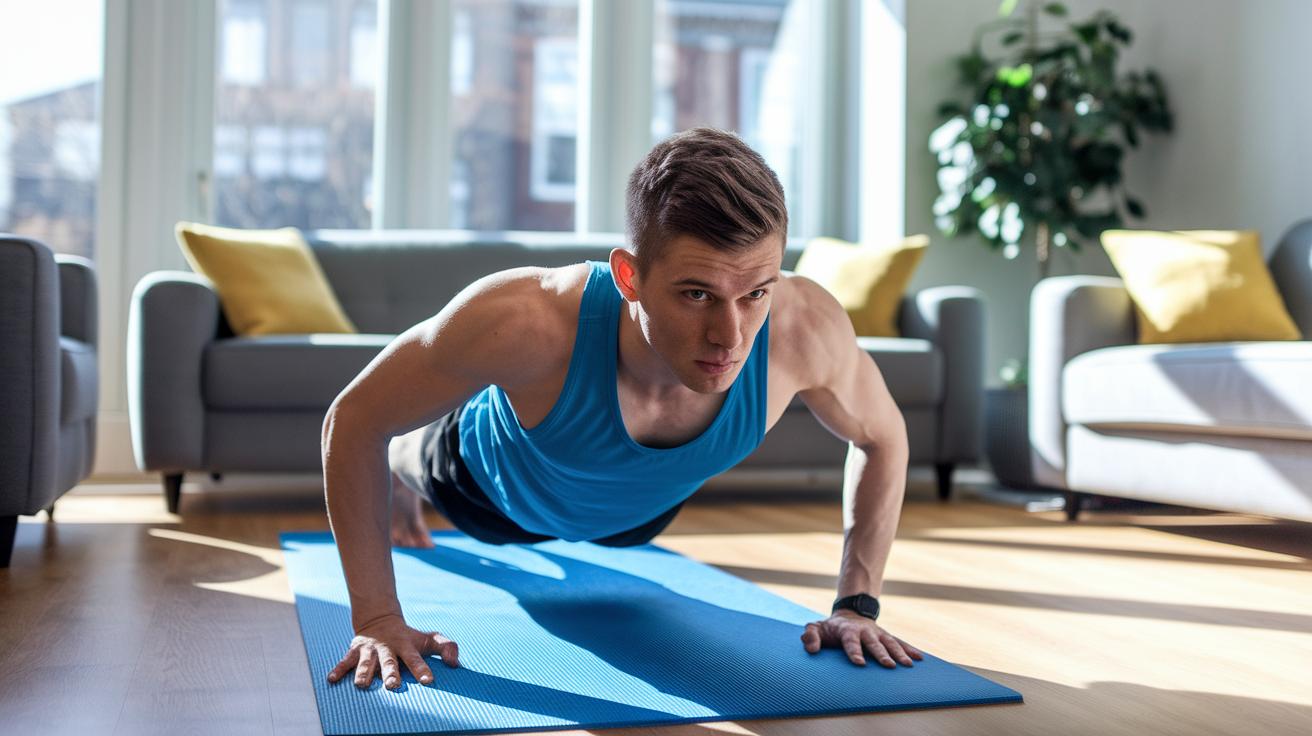
Push-Up – A classic move that works your chest, shoulders, triceps, and core. Begin in a high plank with your shoulders right above your wrists, then lower your chest carefully while keeping your body straight. It’s simple yet powerful, proving that small changes can lead to big gains.
-
Lateral Bound – Jump sideways to build strength in each leg and improve dynamic balance. Imagine leaping over a small gap, landing softly and steadily. It’s an energetic move that brings a playful burst of action to your workout.
-
Lunge Jump – Combine strength with a burst of explosive power by alternating lunges with a jump. This move challenges your lower body and gives you an exciting, energizing boost. It’s perfect for days when you need that extra spark.
-
Burpee – A full-body powerhouse that mixes strength training with cardio. Start with a squat, kick back into a plank, add a quick push-up, and then jump with lively energy. It’s a fast, all-in-one exercise that works nearly every muscle group while keeping your heart engaged.
Advanced Bodyweight Strength Training Progressions and Variations
To boost your bodyweight training, start by gradually making each exercise a bit more challenging. This means moving from simpler versions to those that push your muscles in new ways. Take push-ups, for example. Begin with wall push-ups, progress to knee push-ups, then standard ones, and finally try elevated or explosive push-ups. Many have shared that switching from knee push-ups to explosive ones gives a refreshing burst of energy to their routine.
When working on squats, start with assisted squats so you can focus on control and good form. As your confidence grows, try pistol squat preparations that call on your whole lower body to maintain balance. In the same way, you can upgrade a reverse lunge into a Bulgarian split squat. This change not only increases the load on your quads and glutes but also makes your core work harder to keep you steady.
Next, mix in some plyometric drills like lateral bounds or lunge jumps to add a dynamic edge to your workout. These moves add natural resistance, think of it like speeding up or pausing at the bottom of a squat (an isometric hold, which means holding the position to ramp up muscle engagement). Using progressive overload, where you steadily increase the difficulty of each exercise, is key. This approach helps you keep building strength by boosting both your endurance and explosive power.
Building Calisthenics Workout Routines for Bodyweight Strength
When you design a calisthenics workout at home, think of it as setting up a series of mini-adventures, each aimed at building strength in a different area. Start with a lively warm-up that gets your joints moving and your muscles ready for action, then dive into circuits that target your upper body, lower body, and core.
Begin your session with about 5 minutes of dynamic mobility drills. Picture yourself doing arm circles, leg swings, and gentle trunk rotations that gradually wake up your muscles. This warm-up not only prepares you physically but also sets a confident tone for the rest of your routine.
Next, move on to Circuit A. This circuit is all about push, pull, and core exercises. Imagine doing push-ups, rows, and planks that work several muscle groups at once, giving you a balanced mix of strength and stability. Then, shift your focus to Circuit B, where you tackle lower-body moves paired with plyometrics, a fancy term for jumpy moves that boost your power. Think of reverse lunges, squats, and bodyweight jumps that quickly raise your heart rate and strengthen your legs.
Finally, Circuit C brings it all together with full-body combos. Picture burpees that combine muscle strength with a burst of cardio energy, leaving you feeling both challenged and invigorated.
Keep your workout to about 20–30 minutes by running through these three circuits one after the other. Aim for 2–4 sessions each week and be sure to give yourself at least 48 hours of recovery between workouts. This downtime is important for your muscles to rebuild, and don’t forget to cool down with some gentle stretching to ease muscle tension and boost flexibility.
Here’s a simple 6-step guide to help you set up your at-home workout:
- Pick a warm-up routine with dynamic mobility drills.
- Choose push, pull, and core exercises for Circuit A.
- Select lower-body and plyometric moves for Circuit B.
- Create a full-body combo for Circuit C.
- Schedule 2–4 sessions each week with a minimum of 48 hours rest between them.
- End every session with stretching to relax your muscles and improve flexibility.
Design your workout with variety in mind. That way, you’ll build overall strength, keep your routine interesting, and enjoy the energizing benefits of each session.
Maintaining Proper Form and Safety in Bodyweight Strength Training
Keeping a close eye on your form is essential for building strength safely. Every repetition is a chance to make sure you're lined up just right. For instance, during push-ups, keep your shoulders directly over your wrists. In squats, imagine setting your feet hip-width apart on a solid base. And when it comes to lunges or deadlifts, a neutral spine, that is, a spine that isn’t overly arched or rounded, helps protect your back and lets your muscles work smoothly.
Start each session with a gentle warm-up. Picture yourself easing into movement with arm circles, soft stretches, or leg swings. This little routine wakes up your joints and gets your body ready for more challenging exercises. Then, once you’re done, take time to cool down. Spending about 20 seconds on stretches for your shoulders, hips, or hamstrings gives your muscles a chance to relax and recover.
It’s also important to let your body rest. Allow at least 48 hours between workouts so your muscles can repair themselves and lower your risk of injury.
Here are a few quick tips to remember:
| Tip | Description |
|---|---|
| Alignment | Shoulders over wrists and feet set hip-width apart |
| Neutral Spine | A straight back that avoids excessive arching or rounding |
| Warm-Up | Light movements like arm circles and leg swings to prep your joints |
| Recovery | Rest days and cool-down stretches to help your muscles recover |
Take care, be patient with yourself, and enjoy each step of your journey to a healthier, stronger you!
Common Questions on Bodyweight Strength Training Exercises
Can bodyweight exercises build significant muscle?
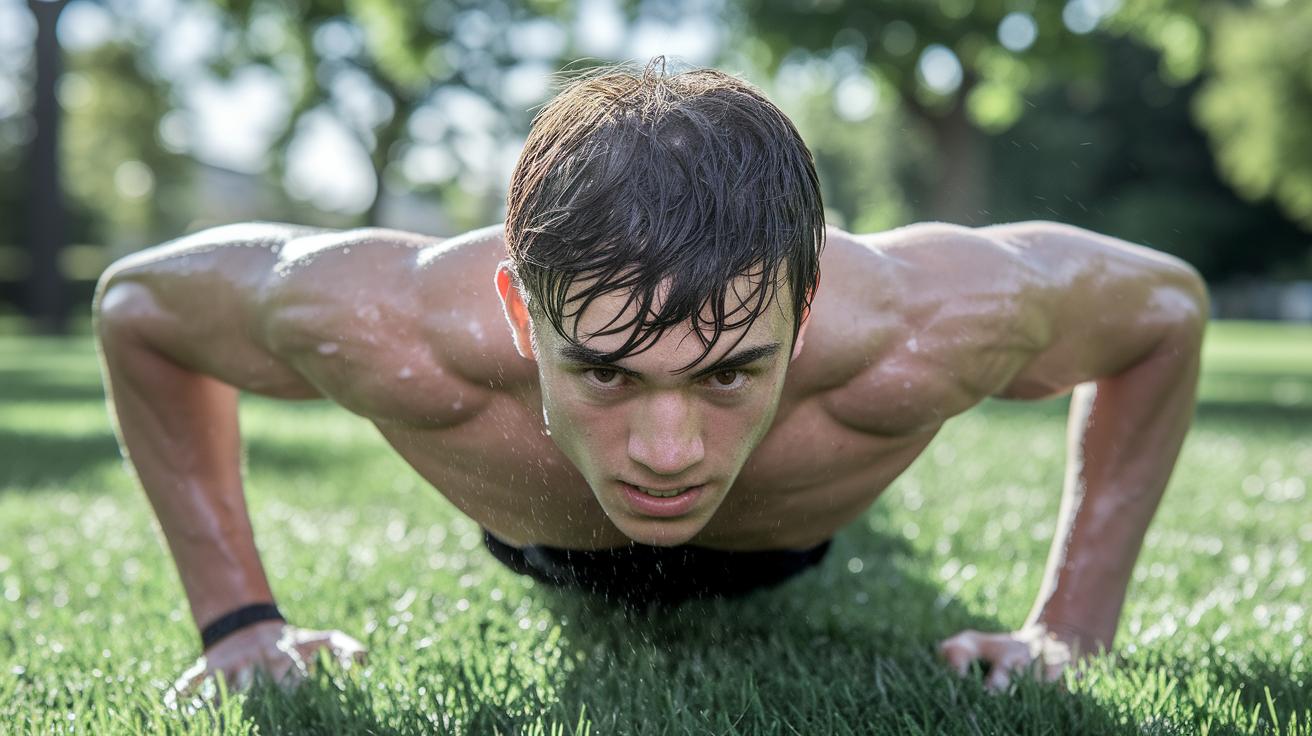
Absolutely, they can. When you gradually increase your reps, sets, or try a tougher variation, a method known as progressive overload (gradually challenging your muscles), you signal your body to grow stronger. Imagine starting with knee push-ups and, over time, switching to full push-ups; each extra rep is like a little nudge telling your muscles, “Hey, it’s time to get tougher!”
How often should you train?
Try to squeeze in 2 to 4 sessions each week, and be sure to allow yourself at least 48 hours of rest between workouts. This break is crucial; it’s like letting a plant soak up water and nutrients. Rest helps your muscles recover and build strength, making each workout more effective.
Will calisthenics help with weight loss?
Yes, indeed. Calisthenics combines muscle-building moves with cardio, which means you’re burning calories while building strength. Think of it as a two-in-one workout that boosts your metabolism and helps you manage weight, especially when paired with a balanced diet.
How do you track progress?
Keep a simple training diary where you jot down the number of reps, sets, and any changes you make. Over time, these notes turn into your personal success story, showing you just how far you’ve come. It’s a bit like watching your small wins stack up into big, inspiring gains.
Final Words
In the action of exploring bodyweight exercises, this article broke down key concepts on bodyweight strength training exercises. We discussed core moves, practical progressions, and simple at-home routines. The guide also highlighted safety tips to keep your workouts effective and injury-free. Easy-to-follow steps and answers to common questions make it simple to build strength using your own weight. Embrace these strategies and feel empowered to boost overall wellness and enjoy every step of your health-enhancing routine.
FAQ
Q: What is a bodyweight workout plan PDF?
A: The bodyweight workout plan PDF is a downloadable guide that outlines detailed routines using your body weight for resistance, offering clear instructions and tips to improve strength and endurance.
Q: What constitutes full bodyweight strength training exercises?
A: Full bodyweight strength training exercises use your own weight to engage multiple muscle groups like legs, core, chest, and back through moves such as squats, push-ups, and lunges performed without additional equipment.
Q: How can bodyweight strength training exercises help with weight loss?
A: Bodyweight strength training exercises offer a mix of strength and cardio, increasing your heart rate and burning extra calories, which supports fat loss when paired with a balanced diet.
Q: What bodyweight exercises are suitable for beginners?
A: Bodyweight exercises for beginners include straightforward moves like modified push-ups, squats, and planks that build foundational strength and help improve stability safely.
Q: Can you build strength with bodyweight exercises?
A: Building strength with bodyweight exercises is achievable by progressively increasing the intensity or repetitions over time, allowing your muscles to adapt and grow stronger.
Q: What is 5 4 3 2 1 strength training?
A: The 5 4 3 2 1 strength training method uses a countdown structure during sets to shift focus and intensity, making each exercise more challenging as you progress through the numbers.
Q: What are the big 5 strength exercises?
A: The big 5 strength exercises include moves like squats, deadlifts, bench press, overhead press, and rows; these serve as core exercises for building overall strength, even with bodyweight variations.
Q: What is the 3-3-3 rule gym?
A: The 3-3-3 rule gym involves performing exercises in three sets of three repetitions each, creating a compact yet effective routine aimed at boosting muscular endurance and movement quality.
Q: What are key bodyweight moves like burpees, lunges, planks, and push-ups?
A: Moves like burpees, lunges, planks, and push-ups are fundamental exercises that work multiple muscles, improve balance and coordination, and offer a versatile workout you can do anywhere.