
Ever thought your diet might be slowing you down? This guide shows how choosing whole, real foods can lift your mood and energy. It sorts food into easy groups like fresh fruits, lean proteins, and whole grains, making it simple to understand what to eat.
Switch out processed snacks for natural options and treat your body to meals that taste great and do good things for you. Have you ever noticed how a little change in what you eat can give you a refreshing burst after a workout? Embracing clean eating might be just what you need to start feeling healthier every day.
At-A-Glance Clean Eating Food Categories
If you're looking for a straightforward guide to build a balanced diet using real, minimally processed foods, you've come to the right place. This quick guide splits clean eating into easy-to-understand food groups so you can plan meals that nourish your body.
Below is a simple table showing each clean food category along with some tasty examples. Use this guide when you're choosing meals that are both nutrient-rich and full of flavor.
| Category | Example Foods |
|---|---|
| Fresh Fruits | Apples, berries |
| Non-Starchy Vegetables | Spinach, bell peppers |
| Starchy Vegetables | Sweet potatoes |
| Lean Proteins | Grass-fed beef, free-range poultry |
| Whole Grains | Quinoa, oats |
| Healthy Fats | Avocado, olive oil |
| Dairy & Dairy Alternatives | Organic milk, coconut milk |
| Nuts & Seeds | Almonds, chia seeds |
| Legumes | Chickpeas, lentils |
| Natural Sweeteners | Raw honey, maple syrup |
| Condiments | Herbs, spices |
Clean Eating Food List: Top Lean Protein Choices

Lean proteins serve as the building blocks for muscle repair and overall health. They pack a hefty protein punch with minimal fat and carbs, making them a great fit for anyone with an active lifestyle. Imagine biting into a free-range chicken breast grilled with fresh herbs, it's light, nutritious, and perfect for fueling your next workout.
Animal-sourced proteins like grass-fed beef, free-range poultry, sustainably caught fish, and organic eggs are excellent choices to keep you energized. They offer the right mix of nutrients to help keep your body strong and resilient.
Plant-based proteins are just as rewarding. Beans such as navy, pinto, black, along with chickpeas, lentils, and black-eyed peas, deliver naturally occurring amino acids (the small building blocks that support muscle maintenance). Picture a warm bowl of lentil chili loaded with fresh vegetables, a satisfying and hearty meal that fits right into your clean eating routine.
Every option on this list is chosen for its minimal processing and maximum nutritional benefits. When you opt for these lean proteins, you're supporting not just muscle growth but a well-rounded, balanced diet overall. For more inspiration on how to incorporate these choices into your meals, take a look at our complete guide on the balanced diet food list.
Clean Eating Food List: Vibrant, Healthy Picks
Fresh fruits and vegetables are the backbone of a clean eating plan. Instead of relying on processed carbs, get your energy from nature's own candy, tart citrus fruits and juicy berries. They bring natural sugars and fiber (the good stuff that helps keep your digestion smooth) without adding extra calories. And starchy vegetables like sweet potatoes give you a comforting boost of energy while adding plenty of wholesome carbs.
Non-starchy vegetables like spinach and bell peppers are super low in calories yet packed with vitamins and minerals that support muscle growth and a healthy weight. Picture biting into a crisp bell pepper with its bright color and gentle crunch; it really wakes up your senses.
When picking out produce, aim for pesticide-free choices and try to buy from local markets. Seasonal produce bursts with natural flavor and locks in nutrients when grown locally. Here are a few tips for your next shopping trip:
- Look for labels that say the produce is locally grown.
- Pick fruits and vegetables that show off bright, natural colors.
- Choose items in season for the best taste and nutrition.
These colorful and healthful picks make it easy and fun to create balanced meals that nurture your body and keep your diet naturally vibrant.
Clean Eating Food List: Whole Grains & Healthy Fats
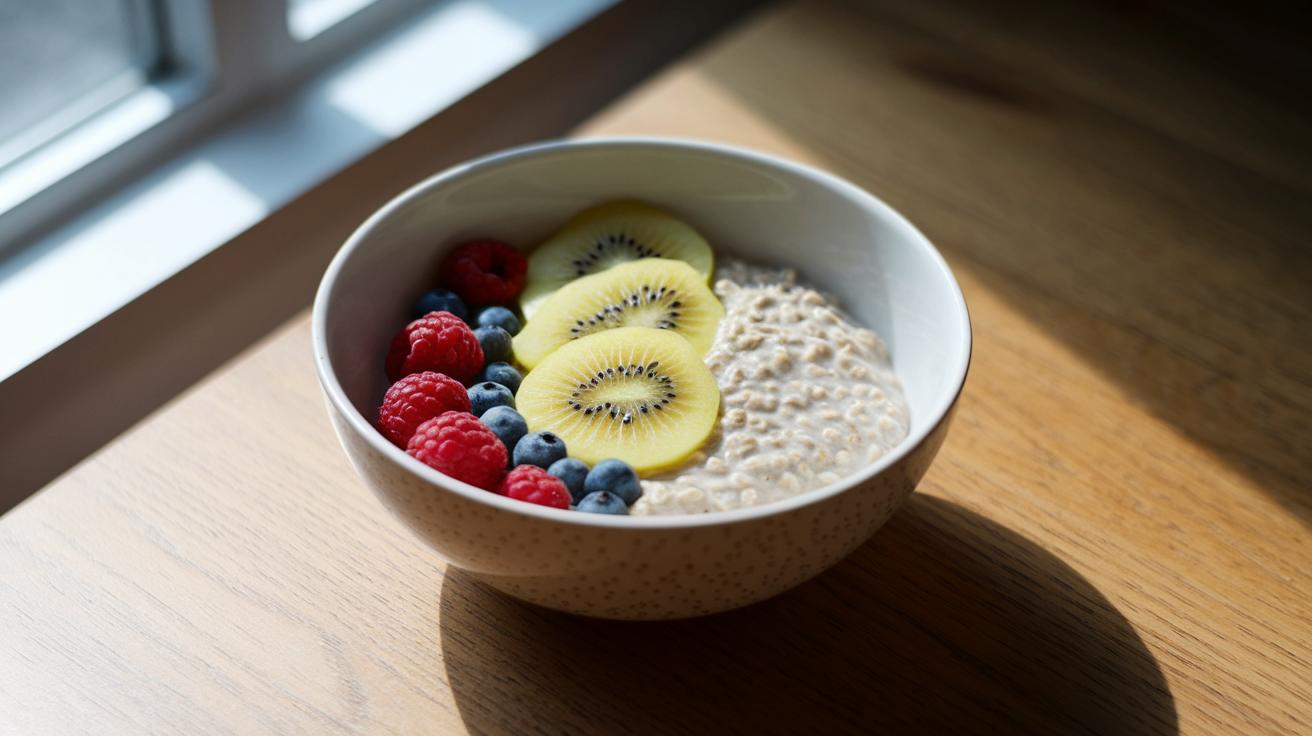
Whole grains are a great way to fuel your day with steady energy, they provide complex carbohydrates that release energy slowly. Try options like quinoa, brown rice, oats, ancient grains, or even air-popped popcorn, all rich in fiber to support smooth digestion and a lasting energy boost. Imagine switching your sugary cereal for a warm bowl of overnight oats mixed with seasonal fruits, a simple change that brings refreshing flavor and better nutrition to your morning.
Healthy fats play an essential role in a clean eating plan, coming from wholesome sources like extra-virgin olive oil, creamy avocado, crunchy nuts, seeds, and natural nut butters. These foods also bring fat-soluble vitamins (vitamins A, D, E, and K, which help support your cells) into your diet. Picture drizzling olive oil over a hearty salad or blending avocado into your morning smoothie; these little touches add richness while helping your body absorb key nutrients.
Pairing whole grains with healthy fats leads to a balanced, nutrient-dense meal that replaces refined carbohydrates and unhealthy fats. Follow simple guidelines, like those on a balanced diet plate, to ensure you’re mixing energy, fiber, and healthy fats perfectly every time.
Clean Eating Food List: Dairy & Dairy Alternatives
Clean dairy foods can really help you hit your protein goals while keeping meals as natural as possible. Try choosing organic milk, grass-fed yogurt, or aged cheeses. These options give you complete protein and important vitamins without unnecessary additives. Imagine enjoying a cool spoonful of grass-fed yogurt with fresh berries, a true taste of simplicity and wholesomeness.
If you lean toward plant-based choices or avoid lactose, non-dairy products are a great pick. Unsweetened coconut milk, almond milk, and cashew yogurt offer similar nutritional perks. Just give the label a quick look to make sure they have little added sugar and enough protein. Picture kicking off your morning with a creamy almond milk smoothie mixed with naturally sweet fruits and a hint of cinnamon, a refreshing burst of energy to start your day.
Both dairy and non-dairy options pack a nutritional punch while keeping your diet clean and simple. They work wonderfully in smoothies, over cereals, or even enjoyed straight from the glass. Keeping a few of these choices handy means you can easily stick to a balanced, protein-rich diet without skimping on flavor or nourishment.
Clean Eating Food List: Foods to Avoid
Staying clear of certain foods can really boost your clean eating journey. It’s best to skip items loaded with extra sugars, salt, and unhealthy fats. These ingredients can leave you feeling inflamed and zapped of energy over the day. Imagine nibbling on a packaged snack full of artificial flavors, a quick delight that might later drag you down.
When you plan your meals, try to look out for refined grains like white flour and white rice. Unlike whole grains, they don’t pack much fiber or nutrition. And table sugar, which hides in many desserts and sodas, only gives you a burst of energy that quickly fades. Think about swapping that sugary soda for a refreshing glass of water infused with fruits for steady energy.
Also, steer clear of artificial sweeteners such as aspartame, sucralose, saccharin, xylitol, and erythritol. Even though they say “sugar-free,” their chemical nature can cause unwanted effects. Here’s a simple list of things to avoid:
- Packaged snacks with lots of preservatives
- Fast foods made with processed ingredients
- Refined grains used in baking or cooking
By leaving these out of your meals, you help your body stay balanced and keep your energy levels steady. Next time you shop, take a moment to read those ingredient labels. It’s a simple habit that can lead to a healthier, more vibrant lifestyle.
Clean Eating Food List: Smart Grocery Shopping & Prep Tips
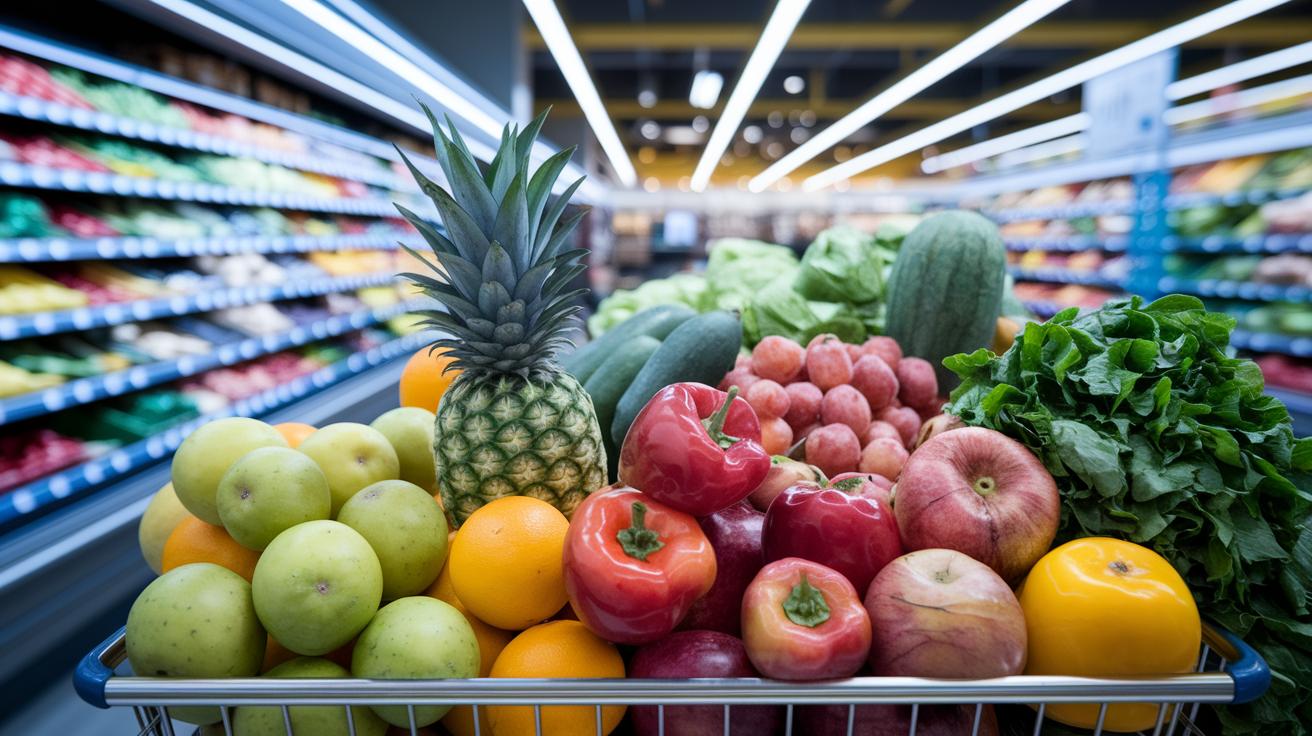
Planning your trips to the grocery store can make clean eating feel easy and fun. Start by glancing at ingredient labels to catch any hidden sugars or additives. A little planning goes a long way, make a dedicated grocery list to focus on the good stuff and avoid aisles full of canned goods and highly processed items. Think about picking seasonal fruits and veggies too; they burst with flavor and pack a nutrient punch. Local farmers’ markets add a charming twist to your meal plans.
Before you head out, try not to shop when you're hungry. Have you ever noticed how a quick snack can keep impulse buys at bay? Set aside a bit of time each week to plan meals that mix fruits, veggies, proteins, and healthy fats. This practice smooths out your routine and guarantees you grab foods that truly support clean eating.
Here are a few practical tips to simplify your routine:
- Bring a dedicated grocery list every time you shop.
- Focus on the outer aisles of the store where fresh and less processed offerings are kept.
- Read labels carefully to find foods with minimal processing and low sugar.
- Choose local, seasonal produce to enjoy the best taste and nutritional value.
Keep your pantry stocked with clean essentials like unsweetened coconut milk, xanthan gum (a natural thickener), olive oil, and dried legumes. These staples help you whip up wholesome meals time and time again. For more handy shopping advice, check out tips for healthy living. Plan ahead, prepare your meals, and watch each grocery trip turn into a smooth, healthful adventure.
Clean Eating Food List: Portion Control & Meal Integration

Having a balanced plate is the secret to making clean eating work for you every day. Think of it like this: fill half your plate with bright, non-starchy veggies, a quarter with lean proteins, and the last quarter with whole grains or starchy veggies. Add a splash of healthy fats, like a drizzle of extra-virgin olive oil, to help your body soak up essential vitamins (for example, vitamin A in carrots or vitamin E in nuts).
This method helps you naturally spread out your nutrients. Here's a quick guide on the portions for every meal:
| Component | Portion Size |
|---|---|
| Lean Protein | 3–4 oz (think grass-fed beef or free-range chicken) |
| Grains/Starchy Veggies | 1 cup (try brown rice or sweet potatoes) |
| Non-Starchy Veggies | 2 cups (like spinach, kale, or broccoli) |
And here's the fun part: this plate model works for any meal. Imagine a morning scramble of egg whites mixed with a heap of sautéed kale, or a delicious lunch bowl with chickpeas, roasted vegetables, and a small serving of whole wheat couscous. Each plate, no matter when you eat, helps you maintain steady energy and sustained wellness throughout your day.
Sticking with these portions feels like assembling a simple puzzle, each piece plays an important role in keeping you nourished and energized. So, experiment with different seasonings and dressings to keep your meals exciting while staying true to your clean eating plan. Enjoy the journey and listen to your body, small, mindful changes can really add up over time!
Final Words
In the action, we explored the basics of building a balanced plate using a clean eating food list. We broke down fresh produce, lean proteins, whole grains, healthy fats, dairy alternatives, and even foods best left off your list. Each section handed practical pointers for easy grocery shopping, smart meal prep, and proper portioning. The guide equips you with a simple, everyday roadmap to feeling nourished and energized. Keep this advice handy and enjoy the benefits of mindful, delicious eating.
FAQ
How can I access a printable clean eating food list?
The printable clean eating food list comes as a free downloadable PDF that offers a quick reference on essential food categories for planning balanced, wholesome meals.
What clean eating meals support weight loss and help beginners start?
Clean eating meals emphasize nutrient-dense fruits, vegetables, lean proteins, whole grains, and healthy fats, making them excellent for weight management and ideal for those new to a healthy diet.
What does a 30-day clean eating food plan include?
A 30-day clean eating food plan includes a wide range of whole and minimally processed foods, offering a month-long guide to building consistent, healthy eating habits.
What clean eating foods should I avoid?
The clean eating approach advises avoiding highly processed items with added sugars, refined grains, artificial sweeteners, packaged snacks, and fast foods to keep your diet nutrient-rich.
What foods are the cleanest to eat on a clean eating diet?
The cleanest foods are fresh fruits, non-starchy vegetables, lean proteins, whole grains, and healthy fats because they provide essential nutrients without unnecessary processing.
How do beginners eat clean effectively?
Beginners can eat clean by gradually replacing refined foods with whole, minimally processed ones like fresh produce, lean proteins, and whole grains while planning simple, balanced meals.
What impact does ten days of clean eating have on the body?
Ten days of clean eating can boost energy, improve digestion, enhance nutrient intake, and reduce inflammation, offering noticeable improvements in overall well-being.