
Have you ever thought that a few quiet minutes could lift your mood? Meditation is more than just a peaceful pause, it’s a handy tool that helps balance your mind (a method often used in psychology to study how we think and feel). Imagine your thoughts settling gently, like leaves floating on a still pond, with each deep, slow breath clearing away daily distractions. This simple practice not only steadies your mind but also builds the strength you need to handle stressful moments. In short, meditation guides you from chaos to calm, making it an easy yet powerful way to care for your emotional well-being every day.
Meditation Definition Psychology Inspires Mental Balance
Meditation is like a gentle workout for your mind, a simple yet powerful practice that helps you relax, focus, and become more aware of the moment. Picture sitting quietly with your eyes closed, taking slow, deep breaths that ease away the clutter of everyday thoughts, almost like hitting a reset button for your brain. Ever notice how a few mindful breaths can turn chaos into calm?
By centering your thoughts with controlled deep breathing, you give yourself a chance to observe feelings and sensations without any harsh judgments. Think of it as building mental strength, similar to how physical exercise tones your muscles. With regular practice, meditation can clear your mind, balance your emotions, and restore your inner calm even when life gets hectic.
But meditation is more than just a way to relax. It activates parts of your brain that help you understand yourself and manage your emotions better. Starting with just a few minutes a day can transform scattered thoughts into clear, calm focus. Have you ever experienced that refreshing shift after a quiet moment of self-reflection? It’s a small change that brings big benefits.
Meditation’s Role in Mindful Awareness: A Psychological Framework
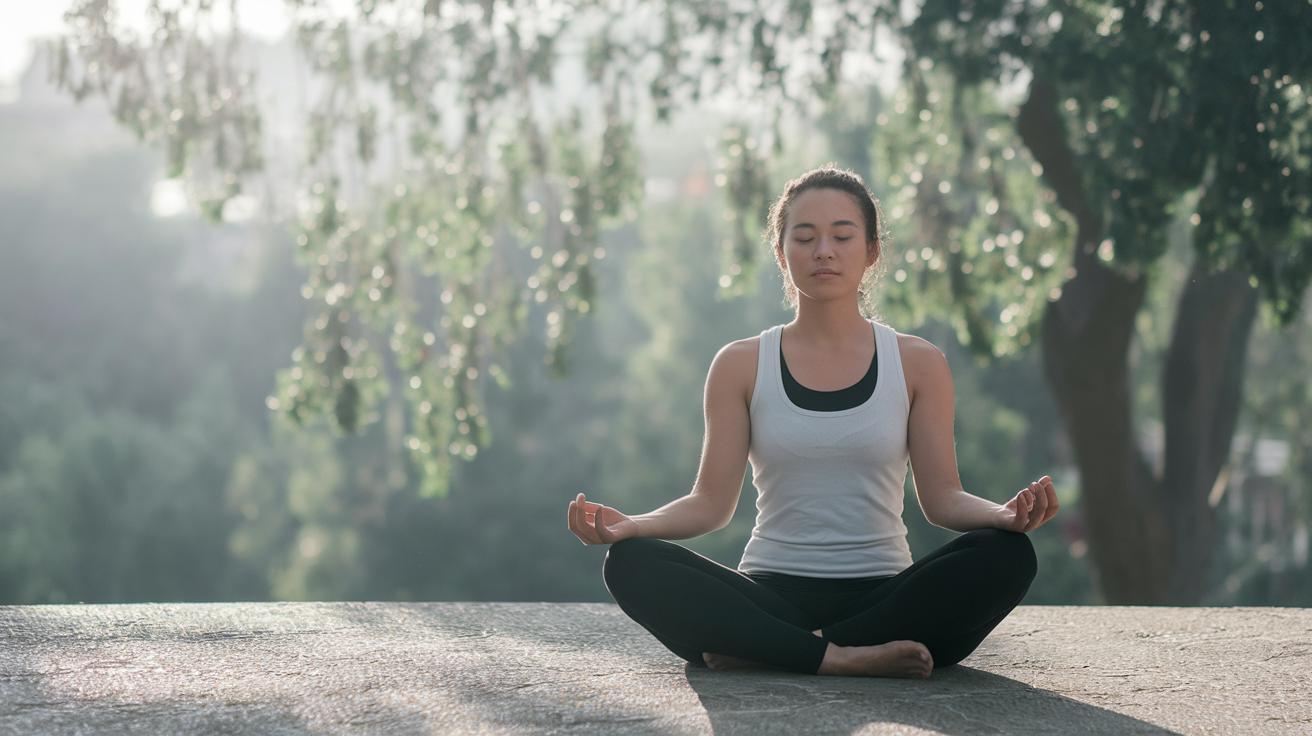
Deep, controlled breathing acts like an anchor that holds your attention. It links the calming practice of mindfulness with modern ideas about how we manage attention and emotions. Imagine taking a slow, deliberate breath, feel the cool air as it enters your nostrils, gradually warming as it fills your lungs. Each gentle breath quiets the mental chatter and lets you focus calmly without any harsh self-criticism.
By softening the rush of daily thoughts, meditation builds a framework where watching your own mind feels as refreshing as a brisk walk. This simple practice creates a clear, strong mental space that boosts focus and balances your emotions, deepening the connection between your mind and body. Discover more at https://nobrainertrends.com?p=436.
Cognitive and Emotional Benefits of Meditation
After just eight weeks of regular meditation, you might notice a real shift in your mind. Daily exercises like focusing on your breath can brighten your thoughts, much like a cool breeze clears away fog. It’s amazing how just a couple of months of dedicated practice can help lift that mental weight and open up a clear, calm space in your mind. Research shows that when you stick with it, you not only quiet your busy thoughts, but you also build a stronger defense against life’s daily pressures.
Every day of mindful practice helps change the way you handle your emotions. For instance, when you try loving-kindness meditation, you’re gently training your brain to be kinder to itself. It’s like giving your emotional muscles a little workout, gradually softening harsh self-judgment. Studies have found that a regular practice can help ease anxiety and improve how you handle stress, think of it as your personal workout for both brain and soul. With a bit of practice, you might find it easier to let go of stress and deal with challenges like social anxiety or lingering pain.
In short, meditation works like a tune-up. It sharpens your thinking and nurtures a balanced outlook, helping you face everyday challenges with calm confidence.
Major Meditative Practices and Their Psychological Profiles
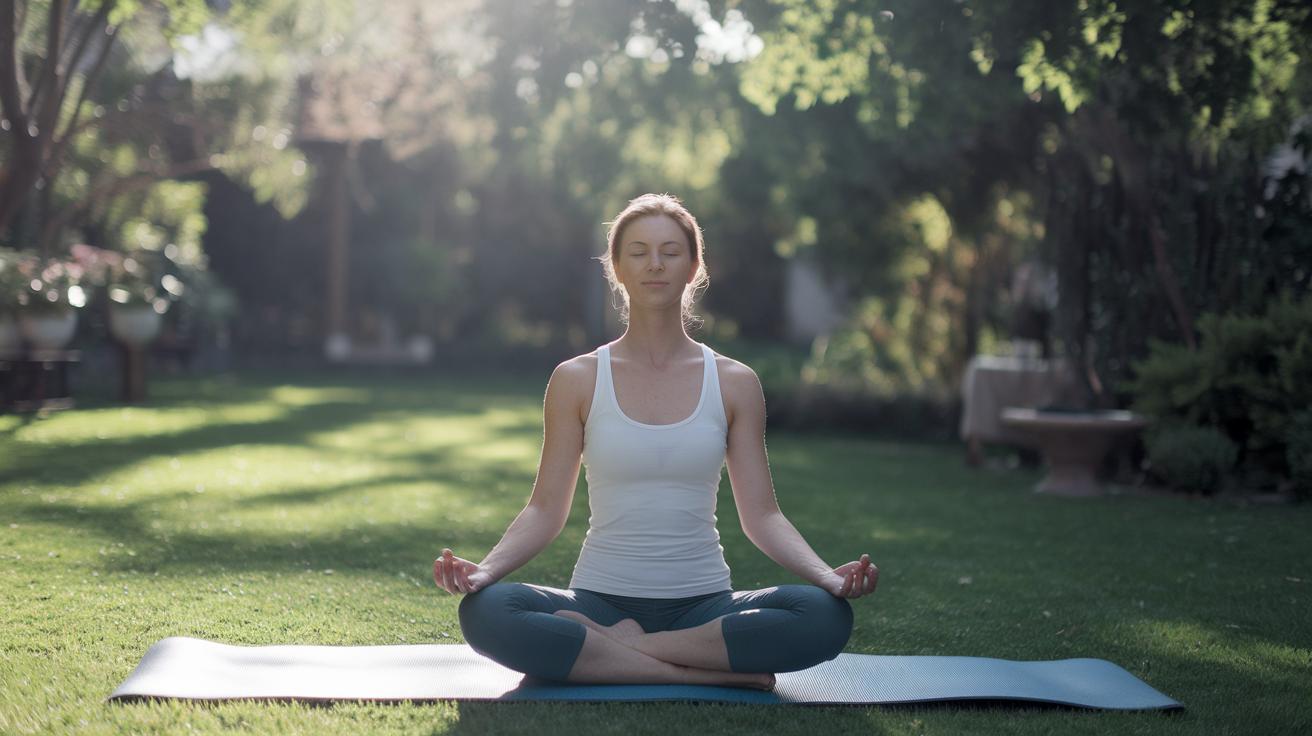
Transcendental Meditation is a simple yet powerful practice where you silently repeat a mantra (a repeated word or sound to help focus your mind) for about 15–20 minutes, twice a day. Imagine settling into that peaceful space with your eyes gently closed while the soft cadence of your mantra guides your thoughts away from mental clutter. It’s a bit like listening to a steady drumbeat that brings harmony to your inner world.
Vipassana invites you to become aware of your natural breathing and the sensations in your body. As you pay attention to each breath, in and out, you learn to observe your feelings without getting swept away by them. This practice builds a calm awareness that helps quiet the busy chatter in your mind and brings a delightful clarity to your day.
Mindfulness-Based Stress Reduction helps you fully embrace the present moment, noticing thoughts and emotions as they arise without any harsh self-judgment. Think of it as taking a quiet pause during a hectic day, where you simply experience each moment as it comes. It creates a gentle space for reflection and self-compassion.
Other techniques, like gratitude or loving-kindness meditation, gentle walking meditations, and combining yoga with breathing exercises, also focus on controlled, mindful breaths. They help shift your attention away from the overwhelming rush of thoughts. Guided imagery takes a creative twist by asking you to picture soothing scenes or positive outcomes, almost like visualizing your own personal retreat. For example, check out this link: joe dispenza meditation to see how combining mantra-based and guided methods can make a refreshing difference.
Each of these practices, while unique in its approach, opens the door to a quieter mind and a fresher perspective when facing everyday challenges.
Implementing Meditation in Clinical and Therapeutic Settings
Meditation is a practical tool in clinical and therapeutic settings that can really boost mental health. In many Western practices, experts add meditation to traditional therapies for conditions like anxiety, PTSD, and depression. Therapists often weave simple meditative techniques into their sessions to help patients build self-discipline and manage stress. Deep breathing and mindful awareness provide a steady, calming counterbalance to intense emotions.
For example, MBSR programs (which stand for Meditation-Based Stress Reduction and are designed to ease stress and strengthen resilience) use guided meditation sessions to help patients find balance. Combined yoga and meditation techniques have also shown real improvements in how people handle their emotions and feel overall. Nowadays, many treatment plans include meditation as part of a broader approach, addressing everything from social anxiety to chronic pain. This means therapists can offer a gentle, non-invasive complement to other therapies or medicines.
Sometimes, people even notice clear changes within just a few weeks of starting meditation, like clearer thoughts and less tension. Such benefits create a supportive framework for recovery and self-care that fits perfectly with other natural wellness practices. Clinicians are continually refining these methods based on new studies and patient feedback, ensuring that meditation remains a trusted and valued part of therapeutic care.
Guidelines for Establishing a Daily Meditative Practice
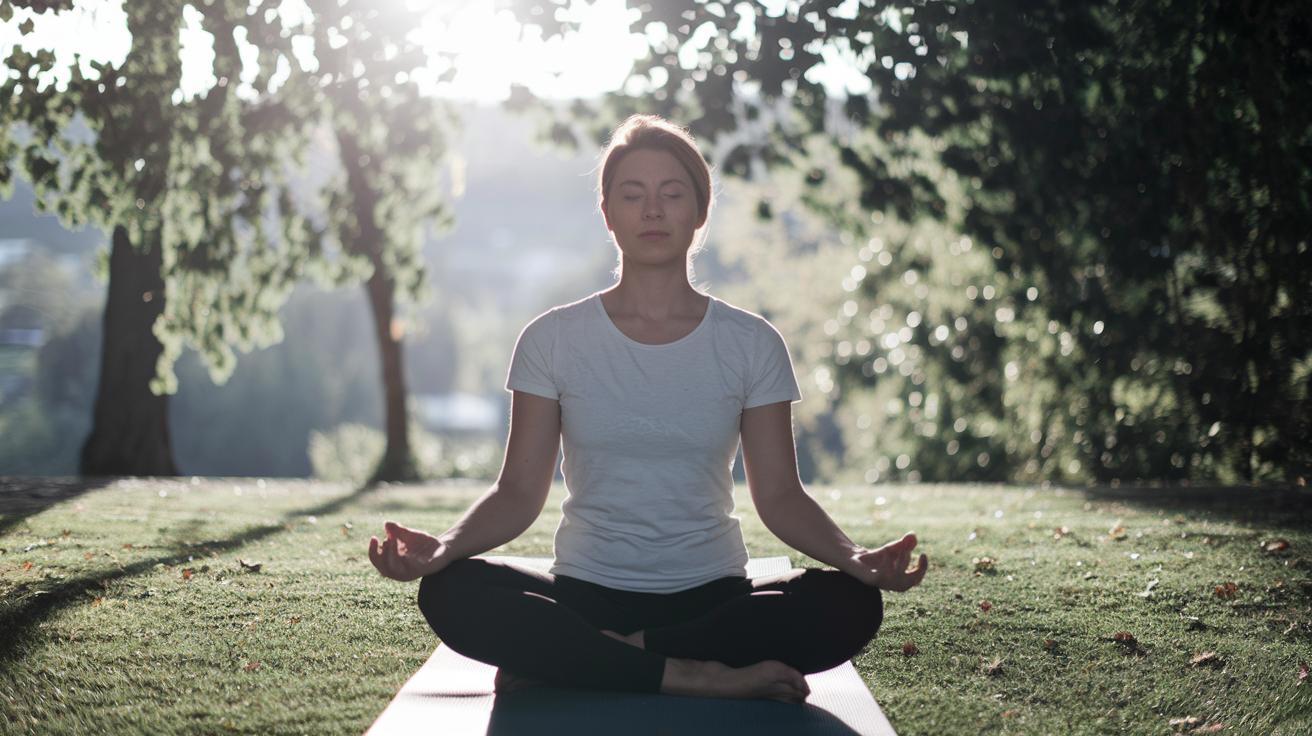
When you begin a meditation routine, try experimenting with a new technique each week. For example, start with a simple exercise where you focus on your breath and practice it for one week while noting how you feel. Next, switch to a guided meditation to see if the clear instructions help calm your mind. Keeping a journal to record your observations can reveal small changes in your mood and thoughts over time, helping you fine-tune your practice.
Start by finding a quiet moment in your day, even if it only lasts a few minutes. Create a list of your favorite meditation methods, like sitting with your eyes closed and taking deep, slow breaths, or following along with a gentle guided session. After each practice, jot down a few quick notes, maybe you feel lighter or a bit more peaceful. This easy, step-by-step approach can boost your mental clarity and make meditation a natural part of your day.
If you’re curious about mixing gentle movement with meditation, check out this mind-body and yoga resource for extra ideas on blending these practices into your routine: https://nobrainertrends.com?p=107
Final Words
In the action, our exploration covered meditation from a psychological perspective, showing how practicing mindfulness sharpens focus and reduces stress. We broke down various techniques, from mantra repetition to guided imagery, that shift mental chatter to present awareness. The benefits of mental clarity and stress relief are backed by solid research, helping you refine your daily practice. This piece offered a clear meditation definition psychology that makes it easy to start experiencing the positive effects in everyday life. Enjoy every step toward a calmer, more focused mind.
FAQ
Frequently Asked Questions
What is meditation and how is it defined in psychology and yoga?
The definition of meditation in psychology is a mental exercise that promotes relaxation, focused attention, and heightened awareness. In yoga, it is a practice that unites the mind and body.
What are the key benefits of meditation?
The benefits of meditation include improved mental clarity, reduced stress, and better emotional balance. Regular practice builds calm and resilience, helping you experience enhanced overall wellbeing.
What is the main purpose of meditation?
The main purpose of meditation is to shift your mind away from nonstop thoughts and focus on the present moment, bringing a sense of calm and clarity into daily life.
What are the three main types of meditation in psychology?
The three main types include mindfulness meditation, Transcendental Meditation, and loving-kindness meditation. Each uses techniques like focused breathing or mantra repetition to quiet the mind.
What is an example of meditation in psychology?
An example of meditation in psychology is sitting quietly with your eyes closed and focusing on your breathing, which helps you break free from a constant stream of thoughts.
How has the history of meditation influenced its modern practice?
The history of meditation spans thousands of years, with techniques evolving from ancient traditions into contemporary practices that blend age-old methods with modern psychological insights for mind-body wellness.