
Have you noticed how a few gentle stretches can brighten your day? Yoga is more than just bending or holding poses; it is a simple way to clear your mind and calm your emotions.
When you match your movement with your breath (that means breathing steadily so your body and mind work together), you can feel both lighter in your body and more at ease in your heart.
This article shows you how yoga’s simple steps can change your mood and boost your energy, turning everyday stress into moments of peaceful reflection.
So, are you ready to feel refreshed and balanced as you explore the true harmony of mind, body, and yoga?
How Yoga Integrates Mind, Body, and Spirit
Yoga brings movement and breath together to create a gentle flow that lifts both your body and your mind. Each pose is paired with a deliberate breath that eases tension and welcomes a sense of calm. Picture this: breathe in slowly as you lift your arms high, then breathe out while you lean forward. This simple guide helps you tune into your body's natural rhythm, making way for both physical ease and a clearer state of mind.
Yoga also offers a path to understanding your emotions and deepening self-awareness. By focusing on steady, deep breathing and mindful movements, you can start to notice subtle shifts in your mood and energy. Ever tried pausing mid-flow just to sense how your body feels? This practice gently trains you to respond to stress with calm awareness, turning every session into a refreshing moment of personal reset.
With over 800 styles out there, yoga adapts to meet a range of wellness needs. Whether you’re into calm, meditative movements or prefer a more energetic, dynamic flow, there’s a style that fits your unique vibe. Embracing this variety not only keeps your routine exciting but also helps you feel vibrant and balanced every day.
Principles of Integrated Yoga Therapy in Mind Body Practice
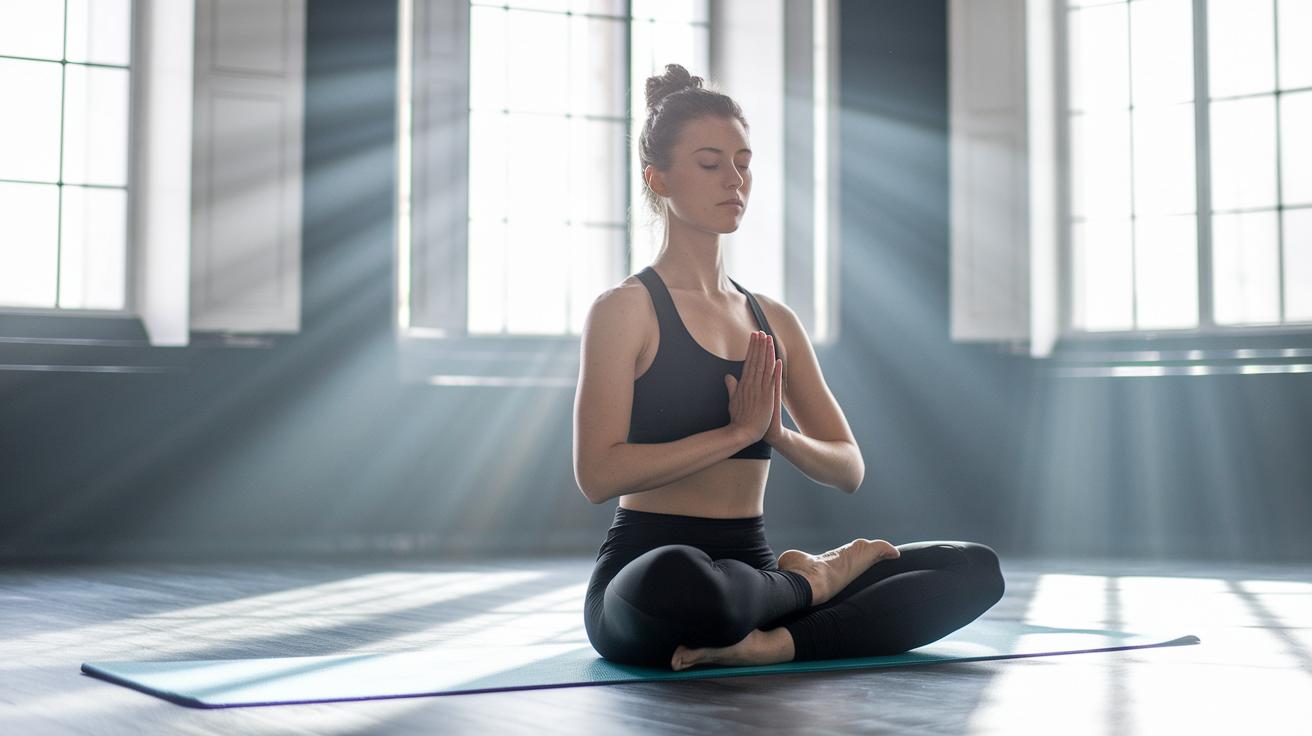
Integrated yoga therapy mixes yoga, breath work, Pilates, and aerial techniques into one refreshing practice that connects your mind and body. It blends traditional yoga poses with focused breathing and intentional movements to help you build balance, strength, and awareness. Imagine a Pilates routine that strengthens your core while aerial yoga lifts your mood with graceful, flowing motion. It’s a dynamic approach that lets movement and breath naturally support each other.
Studio sessions focus on guided mindfulness to keep your emotions steady and your mind clear. Each sequence invites you to practice controlled breathing and deliberate motions that gently ease stress and polish your inner calm. As you move through mindful stretches and deep breaths, you start feeling lighter and more centered, almost like finding a peaceful pause in a busy day.
Your instructors are there to adapt every session to what you need, tweaking techniques and intensity just right. They combine smooth energy flow with classic yoga moves to nurture whole-body wellness. Every breath and every pose is crafted with care, guiding you to a space where physical activity meets emotional nourishment. Have you ever experienced that moment when each movement feels like a personal embrace for your body and soul? That’s the beauty of integrated yoga therapy, a practice that leaves you feeling radiant and truly connected to your inner strength.
Meditation-Based Movements in Mind Body Yoga
These sessions run for about 45 to 90 minutes. They start with a peaceful seated meditation to help you settle in. Then, you transition into smooth, mindful moves, imagine easing into the session with a focus on your breath before flowing into a dynamic pose.
Each movement is synced with your breathing. As you shift from one pose to the next, let each breath naturally guide you. For example, you might move from a steady stance into a slow, deliberate stretch that feels just right.
This practice is all about sharpening your focus and easing stress. With each session, you build a clear, present awareness that leaves you with a calm mind and steady spirit, ready to face the day.
Flexibility and Strength in Mind Body Yoga Routines

Yoga is a practice that builds both strength and flexibility. Whether you're just starting out or you have been practicing for a while, each style adds its own special focus on posture, core strength, and overall wellness. A Vinyasa class, for example, makes your muscles work hard, while a Yin session gently stretches them. Think of it as constructing a solid, stable bridge between your body and mind.
| Yoga Style | Primary Focus | Ideal Duration |
|---|---|---|
| Nidra | Deep Relaxation | 45–60 min |
| Vinyasa | Strength & Flow | 60 min |
| Restorative | Gentle Stretching | 45–75 min |
| Aerial | Core Stability | 60 min |
| Power | Muscle Endurance | 60–90 min |
| Yin | Flexibility | 45–60 min |
Mixing different yoga styles can boost your overall wellness in amazing ways. When you combine sessions that build muscle strength with ones that ease your muscles through gentle stretching, you help your body grow stronger and more supple. Imagine ending your workout feeling like you've built resilience, improved flexibility, and discovered a fresh sense of calm, all in one well-rounded session.
Stress Relief and Mental Clarity in Mind Body Yoga
This practice uses a special kind of visualization that goes beyond regular deep breathing. Instead of just breathing in and out, imagine each breath as a soft wave that gently washes away your worries, like dark clouds clearing to reveal a bright blue sky. Try it for yourself: sit in a comfy spot, close your eyes, and picture drawing in a cool, soothing light with every breath.
The movements in these sessions help you let go of hidden feelings in surprising ways. Rather than following a set routine, many classes now feature freeform motion that flows as naturally as a gentle stream. Think of your body as an artist, painting calm with every spontaneous gesture as you move from one pose to the next.
Many people are sharing how these new techniques are clearing their minds. One regular explained, "I tried the freeform movement session and felt like I released emotions I never knew were locked away." Experiences like these show that blending creative visualization with fluid movement not only brings mental clarity but also unlocks a deeper, more refreshing layer of emotional release.
Ancient Traditions and Modern Adaptations of Mind Body Yoga

Yoga started many centuries ago as a way to connect with your inner self. Picture an early morning scene where an experienced teacher guides students through gentle, deliberate poses under the soft glow of dawn. Each movement was done with care and respect for the body’s natural rhythm, a practice that opens a door to calm and strength.
Today, yoga studios honor this rich tradition while adding fresh twists for our modern pace. Imagine a class where classic postures blend with an energetic flow, sparking a refreshing burst of energy that lights up your senses. With more than 800 unique styles available, these sessions bring together peaceful mindfulness and lively movement, inviting every practitioner to discover a fun, balanced way to explore wellness.
Final Words
In the action, our blog outlined how well-planned yoga routines blend movement, breath awareness, and meditation to boost both physical strength and emotional calm. It covered integrated yoga therapy, meditation-based movements, flexibility routines, and stress relief techniques.
We showed that combining ancient roots with modern twists can make a real impact on overall wellness. Mind body and yoga isn’t just about poses, it’s about creating balanced routines for a happier, healthier life. Enjoy these practices and keep moving forward!
FAQ
How does yoga connect the mind and body?
The connection between the mind and body in yoga is formed by linking physical poses, breath techniques, and mindful meditation, which together help lower stress and promote overall well-being.
What are the 4 types of mind in yoga?
The four types of mind in yoga describe different states of thought—active, reflective, intuitive, and a deeper subconscious—each of which helps maintain emotional balance and inner calm.
Is yoga a mind-body therapy?
Yoga is a mind-body therapy because it blends physical movement, controlled breathing, and meditation to boost mental clarity, encourage emotional stability, and improve physical strength.
What does Mindbody refer to in the context of yoga and how do I access it?
The term Mindbody describes an online platform that connects you with local yoga studios, fitness classes, reviews, and photos. Logging in via Mindbody allows easy scheduling and access to wellness services.