
Ever stop to wonder if the food on your plate is truly powering your day? Think of your body like a fine-tuned engine that needs the best fuel to run efficiently, fresh fruits with a burst of sweetness, crunchy vegetables full of vitamins, hearty whole grains, and lean proteins that help build and repair tissues.
When you balance these foods, you not only satisfy your hunger, but you also enjoy a clear mind and steady energy that lasts throughout the day.
In this post, I'll share some easy, practical tips that guide you in creating meals which support a balanced diet. These ideas are designed to help you feel strong, focused, and ready to take on whatever comes your way.
Core Principles for Maintaining a Balanced Diet
A balanced diet gives your body the essential nutrients it needs to keep you moving and thinking each day. It’s all about mixing fresh fruits, veggies, whole grains, lean proteins, dairy, and healthy fats while cutting down on processed foods. Think of each food group as having its own special role in fueling your body. For instance, savoring a breakfast of whole-grain toast paired with fresh fruit can give you an energizing kick and deliver those vital vitamins you need.
Following healthy eating practices means choosing foods that help you feel steady and strong throughout the day. Including options like lean proteins, low-fat dairy, and fiber-rich carbohydrates supports muscle upkeep and keeps your energy levels balanced. Without proper nutrition, you might feel tired or get sick more easily. In a way, it’s like fueling a high-performance car, when you pick quality ingredients, you’re setting yourself up for daily success. This smart approach is the cornerstone of staying well-nourished and achieving a harmonious diet.
Essential Food Groups for Balanced Nutrition

Fruits & Vegetables
Fill half your plate with colorful fruits and vegetables to give your body loads of vitamins and minerals. Picture a plate with bright red apple slices, crunchy orange carrots, and deep green spinach. Each bite brings antioxidants (natural substances that help protect your cells) and other vital nutrients to the table. It’s like turning your meal into a little art project, and the variety of textures and tastes can even help boost your immune system.
Whole Grains
When you choose whole grains instead of refined ones, you keep all the good parts intact, the bran, germ, and endosperm. These parts break down slowly to help maintain steady energy and avoid sugar spikes. Imagine a warm bowl of oatmeal sprinkled with walnuts, offering you energy that lasts throughout the morning, much like a slow-burning ember. Adding whole-grain bread or quinoa into your day gives you fiber and essential nutrients that keep your digestive system happy.
Proteins & Dairy
Proteins play a big role in building and repairing our muscles, whether they come from lean meats, nuts, beans, or soy. Mixing up these sources not only keeps your meals interesting but also nourishes your body inside and out. Dairy products or fortified alternatives pack in calcium to strengthen your bones. Think of a smooth, low-fat yogurt or a small serving of grilled chicken, simple, tasty options that deliver a satisfying mix of textures and flavors along with vital nutrients for your well-being.
Fats & Oils
Healthy fats from foods like olive oil, avocados, and nuts are essential for cell function and lasting energy. Just a little drizzle of olive oil over your salad can give you the nourishment you need without overloading on calories. Using these fats in moderation ensures that every bite contributes to your overall health and leaves you feeling satisfied.
Effective Meal Portion Control Strategies
When it comes to managing your daily calorie intake, the size of your portions really matters. The USDA suggests a simple way to balance your plate: fill half with fruits and vegetables, one-quarter with protein, and one-quarter with grains. This fun, visual guide can help you stay on track with your weight management and lower your risk of health issues. When your serving sizes are off, either too big or too small, it’s easy for your nutrient balance to go awry, leaving you overly stuffed or still craving more. Picture a plate where an extra serving of pasta pushes your calories over the top.
Taking time to eat mindfully can make a huge difference. By chewing slowly and cutting out distractions, you really tune in to your body’s signals. This not only boosts your satisfaction but also helps prevent overeating. Even small tweaks in how you serve and enjoy your meals can lead to a nice balance of energy and nutrients.
- Use a smaller plate to help your mind feel content with less.
- Measure your food with tools like a food scale or measuring cups.
- Keep half your plate full of fruits and veggies as a clear guide.
- Pre-portion your snacks to avoid grabbing extras without thinking.
- Slow down your eating so your brain has time to signal fullness.
- Have a portion size chart nearby to learn proper serving sizes.
Imagine this: using a smaller bowl for your morning cereal can cut nearly 25% of your calorie intake. A tiny change like this goes a long way in keeping your diet balanced and kind to your body.
Building Nutrient-Dense Meals and Recipes
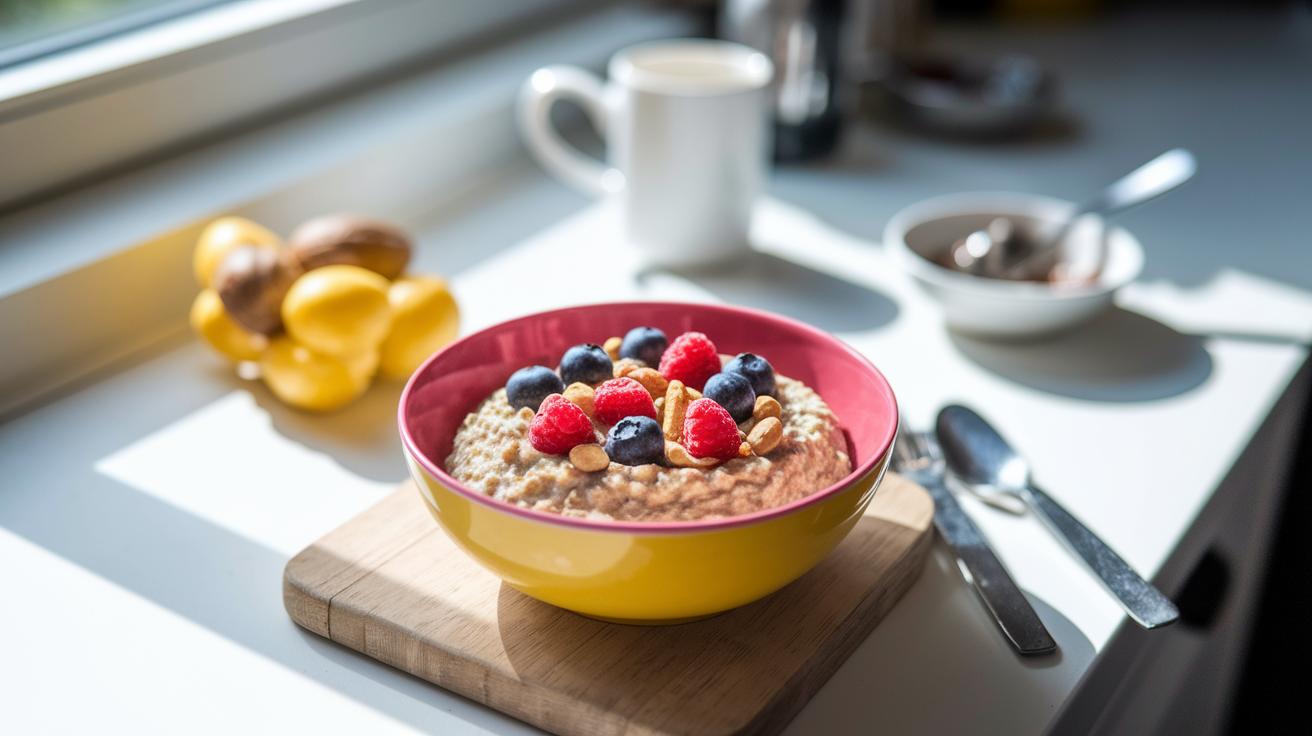
Whipping up healthy meals that satisfy both hunger and your body’s needs can be easier (and more fun) than you might think. The latest Dietary Guidelines for 2020 to 2025 encourage including high-quality protein along with whole grains and low-fat dairy. Imagine starting your day with a warm bowl of oatmeal topped with a handful of crunchy nuts, simple, energizing, and totally satisfying. And when you add fruits rich in antioxidants (natural substances that help protect your cells), a few fresh greens, or even some hearty beans, you boost both flavor and essential vitamins and minerals.
Think of your plate like a puzzle made up of five key food groups, fresh fruits, a rainbow of vegetables, lean proteins, wholesome grains, and dairy. This thoughtful mix keeps your energy steady throughout the day, whether you’re taking a brisk walk or tackling a busy schedule.
Getting creative in the kitchen can be a delight. You might switch out refined grains for nutritious quinoa at lunch or trade a processed snack for a vibrant yogurt parfait with a burst of berries. Simple meal-prep tricks like batch-cooking lean proteins or chopping vegetables ahead of time can turn cooking into an enjoyable, stress-free ritual. Each time you cook, you have the perfect chance to sprinkle in some superfoods, a handful of spinach here or a little drizzle of olive oil there, ensuring every dish packs a healthy punch.
| Meal | Key Nutrients | Portion Size |
|---|---|---|
| Oatmeal with Berries | Fiber, Antioxidants | 1 bowl |
| Grilled Chicken Salad | Protein, Vitamins | 1 plate |
| Baked Salmon with Quinoa | Omega-3s, Whole Grains | 1 serving |
| Greek Yogurt Parfait | Calcium, Probiotics | 1 cup |
Using these creative meal ideas, you can easily weave balanced nutrition into your daily routine while having a great time in the kitchen.
Wholesome Meal Planning Blueprint
Setting up a weekly meal plan can take a load off your busy schedule. When you plan ahead, you can swap out processed foods for fresh, whole ingredients that nourish your body. Begin by jotting down a grocery list filled with seasonal produce, think crisp apples or juicy pears, plus whole grains, lean proteins, and low-fat dairy. For instance, you might write a note like "pick ripe tomatoes in summer" to help you choose the very best.
Plan your cooking schedule for the week. Whether you enjoy a veggie omelet for breakfast, a hearty salad at lunch, or grilled fish with quinoa for dinner, deciding when you’ll cook helps keep your menu exciting and balanced. It can even let you batch-cook certain ingredients that you can mix and match in various meals to save time and energy.
Try to choose one day for grocery shopping and another for meal prep. Writing out simple steps, like grouping similar items and planning recipes in advance, can really change the game. This approach lays the foundation for mindful, consistent eating while keeping your kitchen organized and your meals delicious.
Sustainable Healthy Eating Habits and Mindful Practices
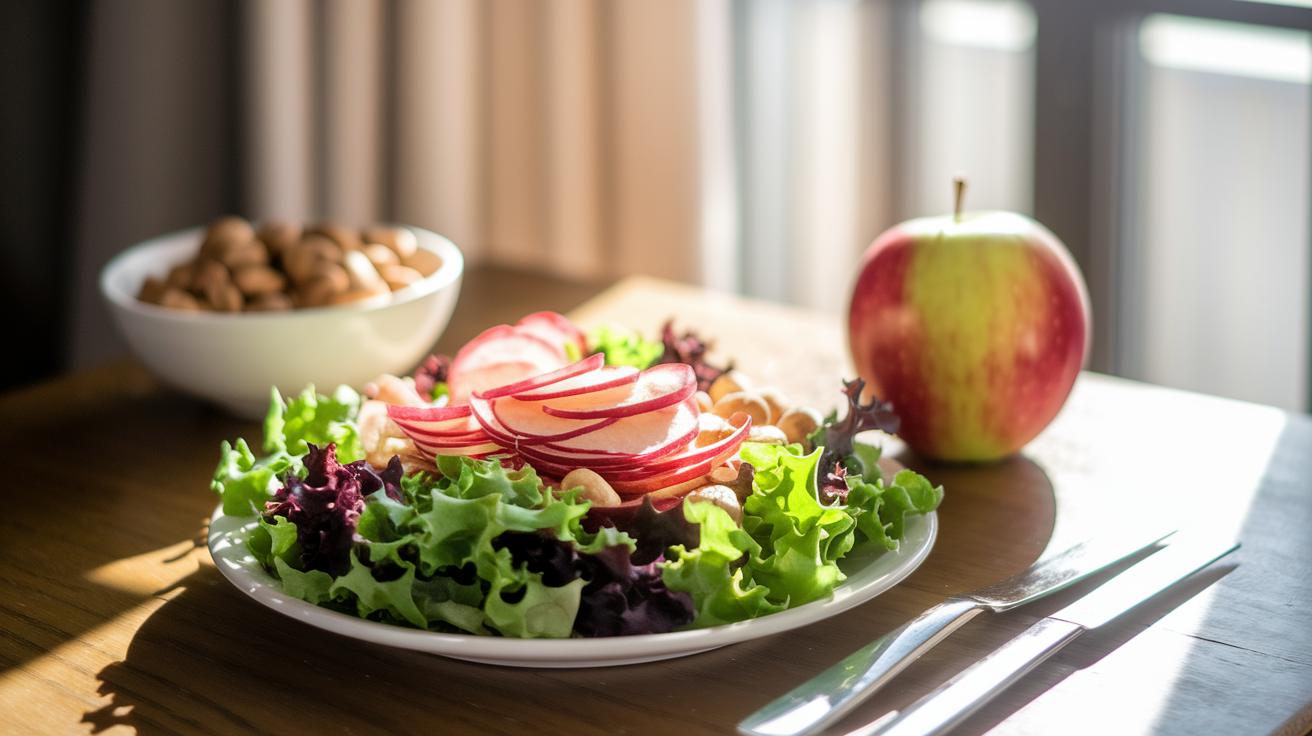
Creating a balanced eating plan is really about making small, steady changes over time. In the long run, sticking to a consistent routine works far better than chasing quick fixes. Instead of trying crash diets, choose flexible habits that suit your life. Try eating at regular times during the day to keep your energy steady and avoid those spur-of-the-moment snacks. For example, keep a crisp apple or a small handful of nuts handy when hunger comes knocking. These simple habits help you feel satisfied and support steady weight management without making you feel like you're missing out.
Taking time with each meal can ease your stress and help control cravings. Enjoy your food slowly and let your body catch up so it can tell you when you're full. And when you're dining out or planning a treat, a little foresight makes controlled indulgence fit in perfectly with your routine. Having healthy snacks nearby can also keep extreme hunger at bay. If you ever feel unsure about switching up your habits, a quick chat with a nutrition expert can give you that extra boost of confidence. Just remember, new habits take time to form, like waiting for a garden to bloom bit by bit. By weaving these mindful practices into your day, you're setting yourself up for a lifetime of balanced meals that energize both your body and mind.
Monitoring and Adjusting Your Balanced Diet
Have you ever noticed how tracking your meals on an app can give you a whole new view of what you eat? A study from 2019 even backs this up, showing that keeping an eye on your eating habits can really help you understand your body's needs. When you jot down what you eat, you might find that small tweaks, like a little change in portion sizes or the timing of your meals, can help align your energy with your body’s natural rhythm.
Pay attention to your body’s little signals throughout the day. That sudden feeling of hunger or a dip in energy might be telling you it’s time to adjust your snack or meal. For instance, try sipping some green tea or adding a pinch of chili peppers to your meal. These simple boosts can help your body process nutrients a bit more smoothly, giving your day that extra spark. Plus, a few small habits, like measuring your servings and choosing nutrient-rich snacks, can make sure you get just enough energy without overdoing it.
Take some time to look back at your food logs regularly. You might spot a pattern that suggests you could shift your meal times or adjust portions to better fit your day. By keeping tabs on your progress and making informed changes, you’re setting yourself up for a balanced diet that fuels your activities and keeps you feeling energized and ready for whatever comes next.
Final Words
In the action, this post broke down the core principles of balanced nutrition, demonstrating key food groups, portion control strategies, and nutrient-dense recipes. It highlighted smart meal planning and tracking habits, making it easier to adopt wholesome eating practices.
We showed practical steps for how to maintain a balanced diet every day. Small adjustments can lead to a refreshing burst of health and energy. Enjoy each meal as a chance to boost your well-being!
FAQ
What is a balanced diet?
A balanced diet includes food from all five main groups, providing vitamins, minerals, and energy. It integrates fruits, vegetables, whole grains, proteins, and dairy to support overall health and daily functions.
What is the best way to maintain a balanced diet?
The best approach follows USDA guidelines: fill half your plate with fruits and vegetables, one-quarter with proteins, and one-quarter with whole grains while keeping processed foods minimal.
What are the 7 requirements of a balanced diet?
A balanced diet meets seven requirements by offering diverse food groups that supply proteins, carbohydrates, healthy fats, fiber, vitamins, minerals, and dairy or fortified alternatives to support body functions.
What is the 50/25/25 rule diet?
The 50/25/25 rule diet splits daily calorie intake into 50% fruits and vegetables, 25% lean proteins, and 25% whole grains or dairy, emphasizing balanced portions and nutrient density for overall wellness.
Which food maintains a balanced diet?
Foods that maintain a balanced diet include nutrient-dense options like fresh fruits, vegetables, whole grains, lean proteins, low-fat dairy or fortified soy alternatives, and moderated amounts of healthy fats.
How do balanced diet charts and food lists help?
Balanced diet charts and food lists visually organize servings from each group, making it easy to plan meals that align with nutritional guidelines, boost energy levels, and promote long-term health.
How important is a balanced diet for overall well-being?
A balanced diet is important for overall well-being by fueling daily activities, boosting the immune system, and reducing disease risk. It promotes both physical and mental health through proper nutrient intake.
What is a 7-day healthy eating plan?
A 7-day healthy eating plan offers a structured guide with varied meals that include every food group. It helps set routine balanced eating, increases nutrient intake, and keeps energy levels steady all week.