
Have you ever noticed how a meal can lift your mood? A simple plan filled with nutrient-packed foods gives you steady energy and a happier vibe. Imagine your plate loaded with juicy fruits, crisp veggies, hearty whole grains, lean proteins, and good fats (fats that help your body work well). This approach isn’t just about filling you up, it’s about turning each bite into a little celebration of feeling good.
Balanced Diet Plan Foundations
A balanced diet plan is all about giving your body a mix of nutrient-packed foods from every group. Think of it as a smart rotation of fruits, veggies, whole grains, proteins, and healthy fats that work together to keep your energy steady and your body happy. Did you know that many experts once noticed improved mood and boosted energy when they included every food group each day?
Fruits and vegetables burst with vitamins, minerals, and antioxidants (natural substances that help protect your cells), which keep you feeling fresh and strong. Whole grains, with their fiber and complex carbohydrates, help you stay energized longer; meanwhile, proteins are the building blocks that repair and grow your tissues. Healthy fats, like those in nuts or avocado, support brain function and help your body absorb the good stuff from other foods. Picture a crisp apple adding a cool, refreshing crunch paired with a handful of walnuts bringing in nourishing fats, each bite is its own little wellness boost.
When you combine these food groups, you cover all your daily nutrient needs. The result is balanced energy throughout the day, clear, sharp focus, and a general sense of well-being. This approach to eating is like creating a strong internal support system that keeps your body fueled from sunrise to sunset.
Essential Guidelines for a Balanced Diet Plan
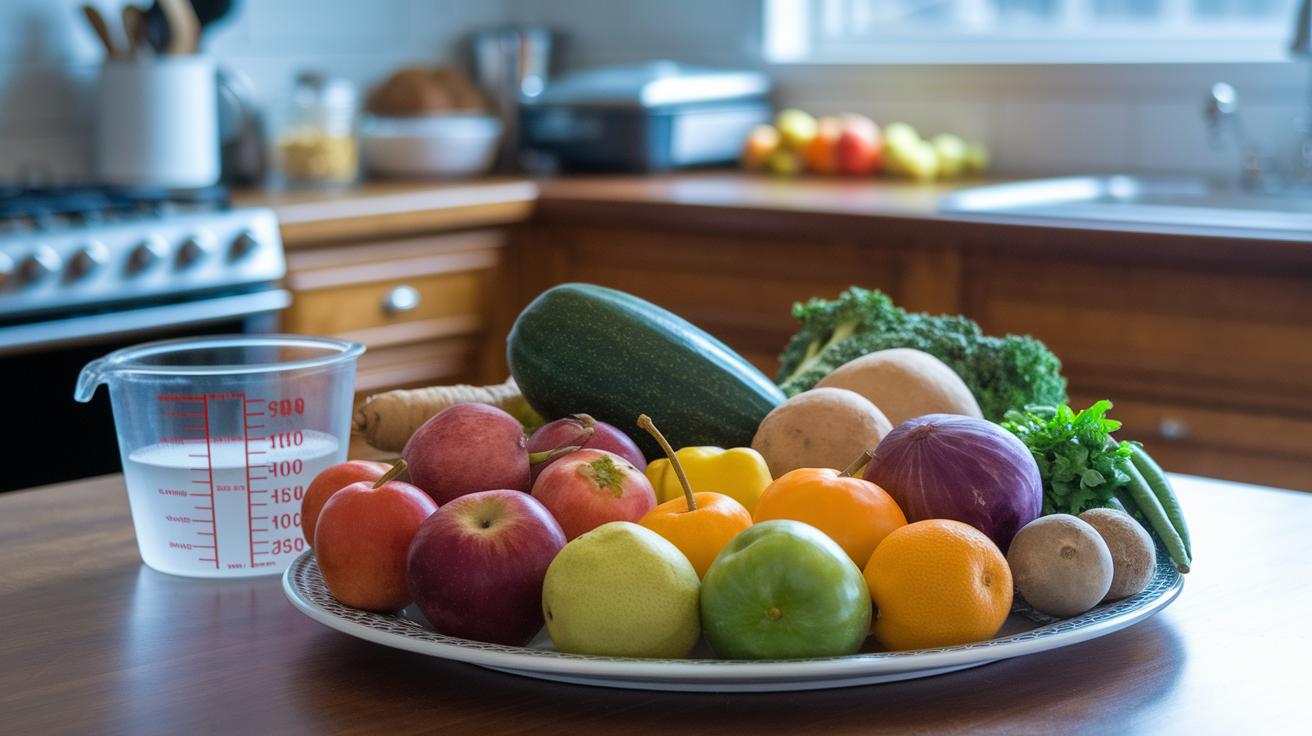
When you're starting a balanced diet, having clear, simple guidelines is like having a trusted friend by your side. These steps break things down into small, easy tasks that help you mix variety with good nutrition, making every meal feel like a little celebration. Think of it as offering your body small promises that lead to happier eating.
If you're just beginning, try setting a few clear, doable goals for each meal. It can make everyday eating feel fun and less overwhelming. When you know just what to aim for, picking healthy foods becomes something you look forward to rather than stress about. Soon enough, you'll notice that sticking to these habits keeps your energy up and your mood steady.
- Begin each day with a breakfast rich in protein.
- Fill half your plate with colorful fruits and vegetables.
- Pick whole grains instead of refined options.
- Include lean proteins in every meal.
- Use healthy fats like nuts and olive oil.
- Plan your meals one week in advance.
- Keep portions in check by measuring them.
- Drink water through the day to stay hydrated.
Using these simple tips every day can turn healthy eating into a practical, enjoyable habit. Take it one step at a time, and you'll build a balanced diet plan that not only meets your nutritional needs but also makes meal planning a delightful part of your day.
Balanced Diet Plan Macronutrient Breakdown
Eating well means giving your body the right mix of carbs, proteins, and fats so you can stay energized, repair tissues, and absorb nutrients properly. When you get these macronutrients just right, you enjoy steady energy and a boost in overall well-being with every meal.
Carbohydrates
Carbs are your go-to fuel. They power your daily tasks and workouts. Experts say they should account for about 45–65% of your daily calories. Imagine starting your day with a burst of energy, like the refreshing lift after a warm bowl of oatmeal. The complex carbs in whole grains and vegetables give you a slow and steady flow of energy all day.
Proteins
Proteins act like your body's repair team. They help fix tissues, build muscle, and keep your metabolism running smoothly. It’s recommended to get about 10–35% of your daily calories from protein. Think of protein as the crew mending tiny muscle tears with every move you make. Lean meats, fish, or beans are fantastic options to support muscle strength and overall body maintenance.
Fats
Fats are essential for absorbing vitamins and keeping your cells happy. About 20–35% of your calories should come from healthy fats. Picture fats as little messengers that deliver vital nutrients and balance your hormones. Nuts, olive oil, and avocado are great sources of fats that keep you satisfied and provide lasting energy.
| Macronutrient | Function | Recommended % of Calories |
|---|---|---|
| Carbohydrates | Energy provision | 45–65% |
| Proteins | Tissue repair | 10–35% |
| Fats | Nutrient absorption | 20–35% |
Portion Control Strategies in a Balanced Diet Plan

Keeping an eye on portion sizes is a simple way to balance your energy and avoid overeating. When you serve measured portions, you tune into your body’s hunger signals and keep a steady flow of fuel throughout the day. This approach lets you enjoy satisfying meals while keeping calorie intake in check.
- Try using smaller plates and bowls.
- Measure grains and proteins with cups or scales.
- Picture a palm-sized portion for your protein.
- Fill half your plate with colorful vegetables.
- Avoid eating straight from the package so you know exactly how much you're having.
Mindful eating helps you savor every bite while staying in tune with your body’s needs.
Sample 3-Day Balanced Diet Plan Menu
Switching up your meals can make healthy eating feel like a true treat. Picture a menu that surprises you every day, keeping your taste buds excited while giving you the protein, healthy fats, and complex carbs you need to kick off your morning with energy.
This three-day plan mixes things up with a balanced approach that starts each day with a hearty breakfast, followed by delicious lunches and filling dinners.
| Day | Breakfast | Lunch | Dinner |
|---|---|---|---|
| Day 1 | Oatmeal with berries, nuts, and a side of yogurt | Grilled chicken salad with mixed greens and quinoa | Steamed vegetables with baked salmon and brown rice |
| Day 2 | Greek yogurt parfait with fresh fruit and granola | Whole grain wrap filled with lean turkey, lettuce, and avocado | Stir-fried tofu with broccoli, bell peppers, and soba noodles |
| Day 3 | Scrambled eggs on whole grain toast with a side of sliced tomato | Mixed bean salad with colorful veggies and a light vinaigrette | Lean beef with roasted sweet potatoes and steamed spinach |
Feel free to tweak the portion sizes to match how you’re feeling. For example, if you find yourself extra hungry after a workout, adding a bit more lean protein or another scoop of whole grains can keep you satisfied without overdoing it.
Customizing Your Balanced Diet Plan for Different Lifestyles
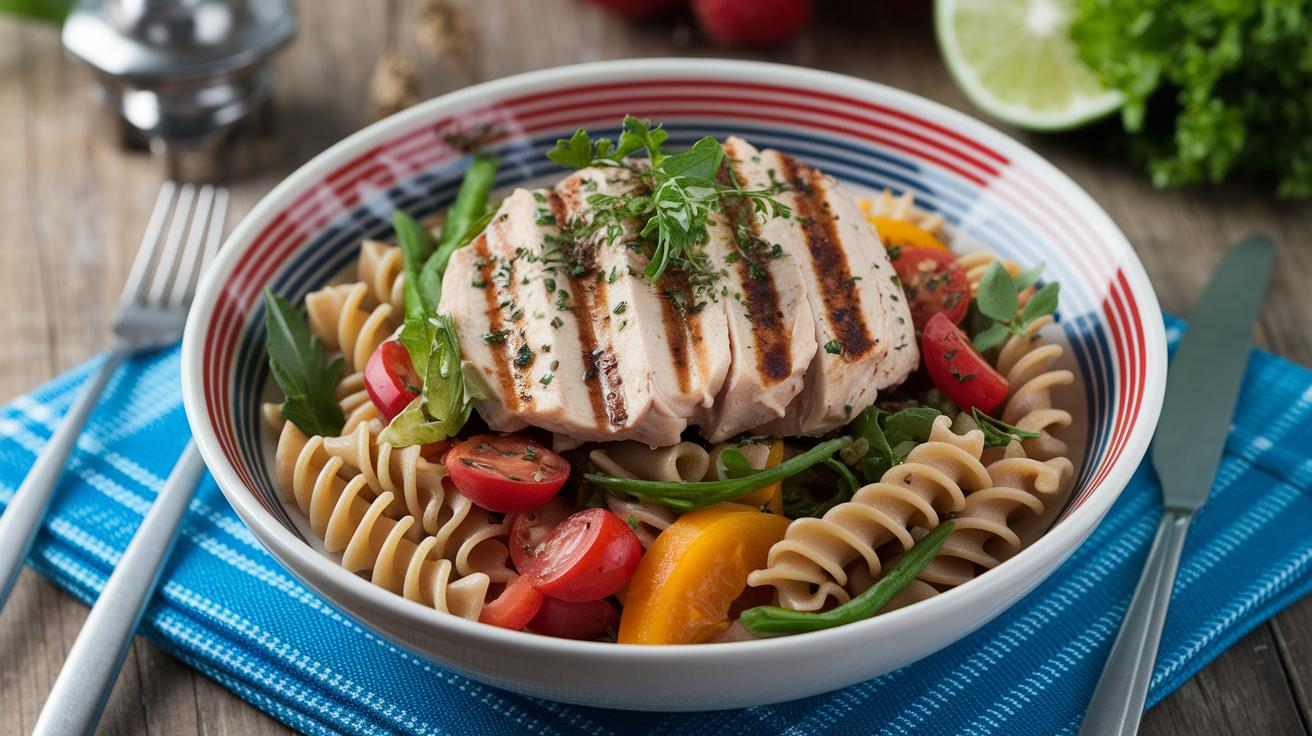
If you're trying to manage your weight, try swapping out heavy sauces for more fiber-rich vegetables that help you feel full. Lean proteins paired with lower-calorie options can turn your meal into a nutrient-packed delight without any sense of deprivation. And if you’re looking to boost flavor without piling on extra calories, adding fresh herbs can work wonders.
For those with an active lifestyle, adding extra servings of lean protein and whole grains can really power up your workouts. Protein helps repair and build muscle (it essentially fixes and strengthens your tissues), while whole grains offer a slow, steady energy boost. Imagine coming home after a workout to a bowl of whole grain pasta with grilled chicken, a simple, satisfying meal that keeps your energy high and muscles strong.
If you follow a plant-based or vegetarian diet, focus on creating a diverse mix of beans, legumes, tofu, and whole grains. These foods provide the proteins and key nutrients you might usually get from meat. Picture a vibrant salad with chickpeas, quinoa, and fresh greens that not only fuels your body but also brings a burst of natural flavor with every bite.
When time is short, quick healthy recipes can save the day without sacrificing taste or nutrition. You might try batch-prepping overnight oats or a stir-fry with your favorite veggies and tofu. These simple meals easily fit into a busy schedule, helping you eat well and stay energized even when your day is moving fast.
Sustaining Your Balanced Diet Plan Over Time
Keeping an eye on your progress doesn't have to be complicated. You might jot down what you eat in a simple diary or try an app that tracks nutrition. Recording your meals, noting how different foods make you feel, and spotting boosts in energy can really show what works best for you. For instance, set aside a weekly moment to review your entries, almost like flipping through a personal diary that celebrates your small wins.
Mixing up your recipes is a smart way to keep meals fun and prevent boredom. Changing your usual dishes introduces you to new flavors and ingredients while helping you gather a broad range of nutrients. Imagine experimenting with seasonal vegetables or giving a classic dish a fresh twist every few weeks. This approach not only delights your taste buds but also keeps your balanced diet vibrant and varied.
Sometimes life throws curveballs, social events, unexpected cravings, or busy days can disrupt even the best plans. When these moments pop up, planning ahead can make all the difference. Prepare a few healthy snacks, choose lighter options at gatherings, or adjust a recipe to better suit your day. A bit of flexibility and mindfulness lets you enjoy special moments while still staying on track.
Final Words
In the action, we explored all the key parts of a balanced diet plan, from understanding essential food groups and macronutrient balance to practical portion control and a flexible three-day menu. We broke down easy-to-follow guidelines for everyone looking to make healthy choices. These expert-backed tips show how a well-rounded approach can simplify meal planning and boost your overall wellness. Keep experimenting with small adjustments, and soon healthy eating will feel like second nature.
FAQ
What is a healthy balanced diet plan?
The healthy balanced diet plan includes nutrient-rich foods from all major groups—fruits, vegetables, whole grains, lean proteins, and healthy fats—to meet your body’s needs.
What should you eat on a balanced diet?
The balanced diet plan advises a range of foods like colorful fruits, crisp vegetables, hearty whole grains, lean proteins, and smooth healthy fats to support overall wellness.
What are the 7 things you need in a balanced diet?
The balanced diet plan outlines seven essentials: a protein-rich breakfast, plenty of fruits and vegetables, whole grains, lean proteins, healthy fats, controlled portions, and regular hydration.
What is the 5 4 3 2 1 diet plan?
The 5 4 3 2 1 diet plan organizes your meals to include set servings from different food groups, balancing energy sources for steady fuel throughout the day.
Where can I find a balanced diet plan free or as a PDF?
The balanced diet plan is available free online and in PDF format, offering resources like sample menus and portion guides to help create your own plan.
Can a balanced diet plan help with weight loss?
The balanced diet plan aids weight loss by emphasizing nutrient-dense foods and proper portion sizes so you stay satisfied while consuming fewer calories.
How do I create a balanced 7-day healthy eating plan?
The balanced diet plan for a week includes rotating meals and sample calendars that incorporate all food groups daily, ensuring a steady flow of essential nutrients.
How is a balanced diet defined with an example?
The balanced diet concept means eating a mix of fruits, vegetables, whole grains, lean proteins, and healthy fats—for instance, a meal of grilled chicken, brown rice, and steamed broccoli.
What is included in a balanced diet food list?
The balanced diet food list features fresh fruits, crisp vegetables, whole grains, lean proteins, and healthy fats that together create a nourishing meal plan.