
Ever felt that our usual care sometimes misses the connection between a calm mind and a strong body? Yoga therapy could be just the remedy you need. It involves gentle poses, deep breathing (slow, full breaths that help relax your body), and simple meditation to ease aches and melt away stress.
Picture this: a slow, steady breath that clears your mind and relaxes tired muscles on a hectic day. In this article, we'll dive into how yoga therapy can bring balance, ease, and a little extra self-care to your everyday routine.
what is yoga therapy: Embrace Holistic Benefits
Yoga therapy is a gentle, supportive practice that uses specific yoga techniques to help you deal with the emotional and physical challenges of living with chronic illness. It works side-by-side with traditional medicine, giving you tools to care for yourself and boost both your body and mind.
At its heart, yoga therapy is built on asanas (physical postures), simple meditation, and breathing exercises (practices that help you relax and focus). When these elements come together, they create a calm, balanced space where your mind and body feel connected. For instance, imagine finding relief in a slow, deep breath on a tough day, a small moment that resets your mind and helps you feel centered.
Yoga therapy began its journey in the 1920s when an innovative yogi started testing its benefits. Since then, it has grown into a full, personalized approach that mixes time-tested yoga practices with modern insights. It’s not just a workout; it’s a mindful path to healing.
Think of yoga therapy as a friendly guide that helps you manage stress and build resilience. By caring for both your mind and body, it offers a clear route to well-being, while always respecting the unique challenges you face. This approach is here to bring more balance into your daily life without replacing the care you get from conventional medicine.
Health Benefits of Yoga Therapy: Physical, Mental, and Emotional Gains

Yoga therapy is a gentle way to soothe chronic pain. Regular practice can ease back pain and loosen stiff muscles with simple, mindful stretches and deep breaths. The thoughtfully chosen poses help boost blood flow and ease tension, giving your body that extra strength and flexibility it needs. It’s amazing how a few minutes of mindful movement can make a big difference.
Mental wellness also takes a big leap with yoga. Breathing and mindfulness exercises are a natural way to lower stress in our busy lives. These techniques help calm your thoughts and make everyday challenges feel a bit lighter. Many people notice clearer thinking and a relaxed state that helps cut down on anxiety while keeping emotions balanced.
New research even shows that well-structured yoga programs might help reverse some heart disease symptoms. In some cases, these programs are even covered by public health insurance. By combining clinical insight with traditional yoga moves, participants often feel an uplift in mood and a boost in emotional strength. It’s a blend of science and tradition that can help ease symptoms of depression.
Yoga therapy brings together movement, breathing, and meditation for a full-body benefit. This balanced approach not only eases physical pain but also sharpens mental clarity and builds emotional resilience. Have you ever noticed how a simple change in routine can leave you feeling more relaxed and strong?
Core Techniques in Yoga Therapy: Asanas, Pranayama, and Meditation
Yoga therapy starts by looking closely at your unique body and mind, tailoring practical yoga techniques just for you. We begin with asanas (yoga postures) that help build strength and balance. Picture yourself in a simple seated pose that soothes you and reminds you to breathe deeply, it really makes a difference.
Next, we move into pranayama, the art of controlled breathing. Focusing on your breath calms your nervous system and syncs perfectly with your movements, paving the way for a smooth flow between body and mind.
Then comes meditation, which ties everything together into a harmonious practice. Many find that combining gentle movement with quiet reflection brings clarity and steadiness to daily life.
A key part of each session is mindful yoga. This approach involves moving slowly and attentively, letting you tune in to your body’s signals and adjust your posture naturally. These exercises not only relax you but also build strength gradually over time.
As you get more focused, somatic movement therapy is introduced to deepen the connection between your physical sensations and your thoughts. For older adults, a special focus on restorative yoga helps boost mobility with gentle stretches and steady holds, ensuring a safe way to stay flexible and ease discomfort.
Sometimes, a dedicated sequence of slow, relaxing postures is designed specifically to encourage joint movement and relieve aches. Wrapping up the session, additional mindful exercises reinforce the smooth link between mind and body. Some practitioners even draw on techniques shared on websites like mind body and yoga for extra inspiration.
This personalized yoga approach supports better balance, enhances daily function, and nurtures overall well-being. Regular mindful and restorative yoga practices blend calm meditation with gentle stretches to help you feel stronger, more aware, and ready to take on the day.
Evidence and Science Behind Yoga Therapy
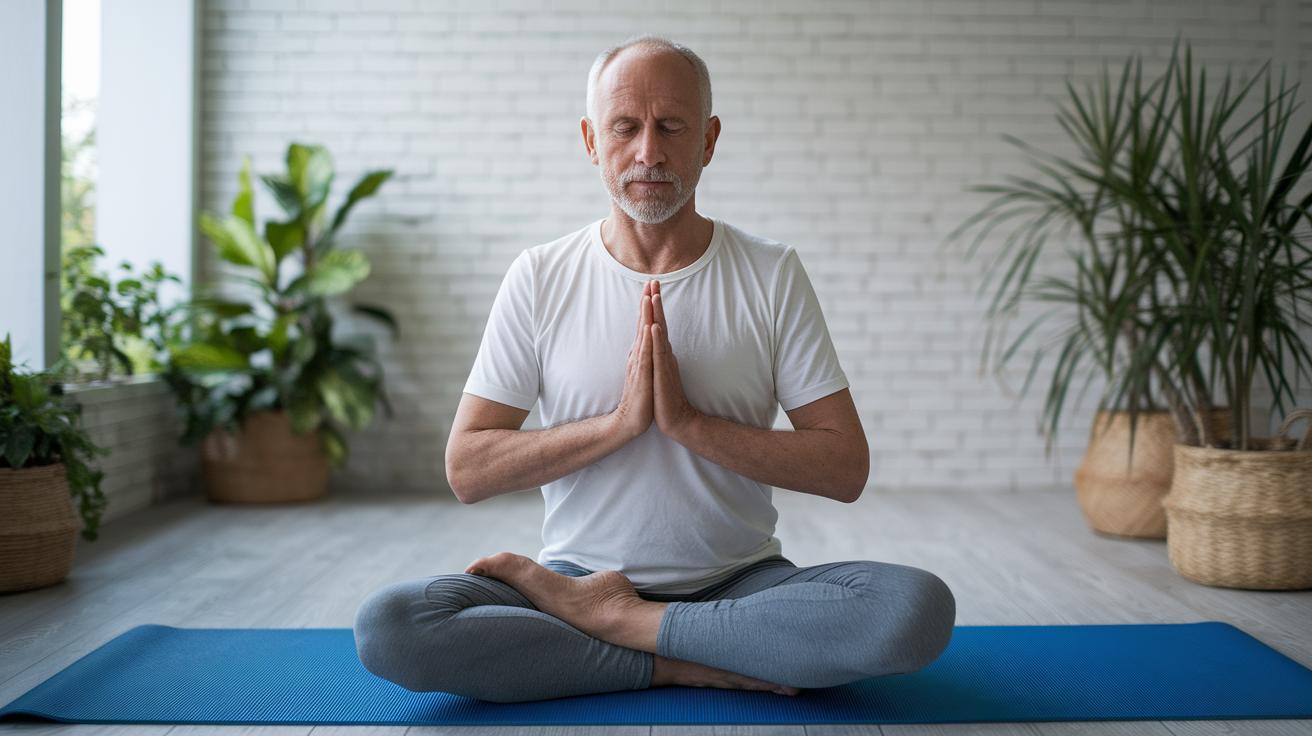
American and British health agencies now see yoga therapy as a helpful addition to regular medical treatments. Studies show that specific yoga routines can improve heart health. For example, one study found that regular yoga sessions led to lower blood pressure and better heart rate control, proving that yoga can lower stress and enhance body functions.
Yoga therapy uses a caring, client-first approach that mixes age-old yogic ideas with modern medical insights, mental health techniques, and behavioral science. This well-rounded method is part of a growing trend in evidence-based yoga practices. Research has even found that yoga can lower levels of inflammatory markers (proteins that tell your body it's fighting inflammation), opening the door for its use in various medical settings.
And here’s an interesting tidbit: recent trials have shown that using specific breathing techniques and gentle poses can cut cortisol levels, the stress hormone, quite significantly. This means yoga isn’t just about physical postures; it’s a scientifically backed approach that helps boost overall well-being. With more evidence emerging, many healthcare providers now confidently recommend yoga therapy as a supportive treatment for both physical health and mental balance.
Specialized Applications of Yoga Therapy: Chronic Pain, Mental Health, and Senior Care
When you're dealing with ongoing pain, a few well-chosen yoga moves can truly brighten your day. Simple poses can gently ease aches from arthritis or a sore lower back. Picture a mild seated twist that not only straightens your posture but also releases built-up tension, almost like a small reset for your body.
If you find yourself overwhelmed by anxiety, depression, or the lingering effects of past stress, a few mindful yoga techniques might help. Imagine starting with slow, deep breaths, much like watching calm waves lap a quiet shore. Even a short series of mindful stretches and deep breathing can carve out moments of real relief in your day.
Yoga can be a real friend for seniors too. Specially designed, gentle sequences build flexibility, balance, and deep relaxation. Think of a restorative pose as a warm, comforting hug that supports both your body and mind. It’s a practical way to stay active while honoring your personal pace and needs.
In truth, a daily yoga practice, tailored to what your body can handle, may pave the way for long-term comfort and recovery. Whether you’re easing pain or seeking a bit more clarity, these thoughtful routines offer gentle, consistent care for every stage of life.
- Targeted yoga moves help ease joint pain and boost movement.
- Mindful stretches and breathing techniques reduce stress and lift your mood.
- Restorative poses promote flexibility and balance, especially for seniors.
Finding and Working with Certified Yoga Therapy Practitioners

When you’re on the hunt for a yoga therapy expert, start by checking that they have the proper certification credentials. Many practitioners carry titles like BFA, ERYT, or C-IAYT. For example, Julie Levinson works in a hospital in West Bloomfield, and her credentials highlight a strong background in professional yoga healing courses.
It’s a good idea to explore accredited education options too. Look into certified therapeutic yoga courses offered as in-person seminars, online classes, or distance-learning programs. These courses not only boost your knowledge of the practice but also show that the therapist has put in significant time learning all aspects of yoga therapy. In fact, recognized councils in both the United States and the United Kingdom maintain directories of trusted professionals. To find a certified practitioner near you, consider using directories on platforms like holistic health practitioner.
In your first session, expect a caring and thorough health assessment where your unique physical and mental needs are discussed. This tailored approach makes sure your treatment plan fits you perfectly. Don’t hesitate to ask about the therapist’s certification process and how they keep up with ongoing training. After all, a solid foundation in education and certification can make a big difference in your yoga therapy journey.
Final Words
In the action, this article broke down the basics and benefits of yoga therapy. We examined its core principles, including asanas, meditation, and mindful breathing, along with science-backed evidence showing its impact on chronic pain, mood, and overall wellbeing. We also discussed how to connect with certified practitioners for a personalized approach. Every point reinforces everyday improvements that support balanced health. Remember, the question remains: what is yoga therapy, and how can it brighten your day? Embrace these ideas with a smile and a hopeful heart.
FAQ
What is yoga therapy techniques?
The yoga therapy techniques refer to a blend of postural exercises, breathing practices, and meditation designed to balance your body and mind while addressing specific health needs.
What are the benefits of yoga therapy?
The benefits of yoga therapy include easing chronic pain, lowering stress levels, boosting mood, and improving physical flexibility and mental clarity—all through mindful and targeted practices.
What is a yoga therapist salary?
The yoga therapist salary varies by region, credentials, and experience, typically reflecting market demand for specialized, health-focused training in personalized yoga practices.
What is a yoga therapy PDF?
The yoga therapy PDF is a digital document providing an overview of techniques, health benefits, and protocols to help individuals understand and apply therapeutic yoga practices.
What is yoga therapy training?
The yoga therapy training involves learning tailored postures, breathing techniques, and mindfulness practices, combined with hands-on experience to equip coaches with specialized skills for healing and recovery.
How does one become a yoga therapist?
The process to become a yoga therapist includes completing accredited training programs, obtaining certification, and gaining practical experience under guidance from experienced practitioners.
What are the types of yoga therapy?
The types of yoga therapy range from restorative practices that focus on gentle postures to more active sessions aimed at postural alignment and mindfulness, customized to meet individual health needs.
How can I find yoga therapy near me?
The term yoga therapy near me suggests consulting local wellness centers or certified practitioner directories maintained by recognized councils to locate qualified therapists in your area.
What do you do in yoga therapy?
The activities in yoga therapy consist of assessing individual health needs, guiding custom exercises, and integrating regulated movements, breath control, and meditation to support overall wellness.
What is the difference between yoga and yoga therapy?
The difference between yoga and yoga therapy is that yoga therapy is customized to address specific medical or emotional issues, while general yoga is practiced broadly for fitness and relaxation.
What are the side effects of yoga therapy?
The side effects of yoga therapy are generally minimal, typically including temporary muscle soreness or mild discomfort as your body adapts to new exercises and movement patterns.
Does insurance pay for yoga therapy?
The insurance coverage for yoga therapy depends on your policy and provider, with some programs led by medical professionals qualifying for reimbursement under certain conditions.