
Have you ever noticed how a colorful meal can light up your day? When you build a balanced plate, you're mixing proteins, carbs, healthy fats, and a rainbow of fruits and veggies. Think of it as giving your body a complete toolkit, helping you build strong muscles, feel energized, and keep your mind sharp.
Imagine every bite working like a little boost for your day. In simple terms, a balanced meal is all about combining tasty ingredients that do real work for your health. Next time you're planning a meal, consider adding a mix of these foods to create a refreshing burst of energy. Enjoy the process and feel the difference in every bite!
Balanced Diet Food List: Energize Your Plate

Eating a balanced meal is as simple as mixing ingredients from five key food groups. This blend gives you the protein to build and repair muscles, the energy of carbohydrates, the brain-boosting benefits of healthy fats, and the refreshing vitamins and fiber from fruits and vegetables. It’s like giving your body a complete toolkit to stay vibrant and ready for anything. For more detailed daily tips, check out healthy eating and balanced diet – https://nobrainertrends.com?p=116.
- Protein: Helps repair muscles and strengthen your immune system. Enjoy it from lean meats like chicken or plant-based sources like lentils.
- Carbohydrates: Deliver steady energy with B vitamins and fiber. Foods like whole grains and starchy vegetables keep you fueled throughout the day.
- Healthy Fats: Support brain function and give energy to your cells. Try extra-virgin olive oil, nuts, or seeds to add heart-friendly benefits.
- Fruits: Offer fiber, vitamin C, and natural sugars that refresh your system and boost your defenses.
- Vegetables: Provide antioxidants and other beneficial compounds that protect your cells and help detoxify your body, whether eaten raw or lightly steamed.
Mixing these food groups at every meal creates a colorful, flavorful plate that not only meets nutritional guidelines but also keeps you feeling energized and satisfied every day.
Protein Sources in a Balanced Diet Food List

Eating a balanced diet means including a mix of different protein sources that help repair muscles, support your immune system, and keep you feeling energetic. Combining animal proteins with plant proteins gives your body a mix of nutrients like amino acids (the building blocks for proteins), iron, vitamin B12, omega-3 fatty acids (good fats that help reduce inflammation), fiber, magnesium, and phytonutrients. These nutrients work together to support everything from cell growth to hormone production in your body.
Animal proteins such as lean beef, chicken breast, salmon, and eggs provide protein that your body easily uses. They are also rich in important nutrients, like iron and vitamin B12, which help form red blood cells. Plus, the omega-3 fatty acids found in salmon can help calm inflammation and support heart health. It really is a tasty way to help your muscles grow and keep your body strong.
Plant proteins come from foods like lentils, chickpeas, black beans, tofu, nuts, and seeds. They offer a great source of fiber, magnesium, and antioxidants, compounds that help protect your cells. They also contain less saturated fat compared to many animal proteins. Enjoying these plant foods can help keep your digestion on track and your blood sugar levels balanced, all while adding delicious variety to your meals.
Carbohydrate Choices for Sustained Energy in a Balanced Diet Food List

Whole grains like brown rice, quinoa, and oats are fantastic for giving you steady energy throughout the day. They pack B vitamins (nutrients that help convert food into energy) and fiber (which aids good digestion) that help keep your blood sugar steady. Instead of a quick burst of energy that fades fast, these foods release energy slowly, keeping you full and focused. Picture starting your day with a warm bowl of oatmeal that gently energizes you and sets a calm, productive tone.
Starchy vegetables and legumes, such as sweet potatoes, regular potatoes, and lentils, add more than just taste to your meals. They bring in resistant starch (a type of carbohydrate that feeds your good gut bacteria) and plant-based protein to help keep hunger at bay. These choices support a healthy tummy and provide energy that lasts longer than refined carbs that usually spike your energy and then drop it quickly. By including these foods in your meals, every bite becomes a smart, steady step toward better well-being.
Healthy Fats to Include in a Balanced Diet Food List
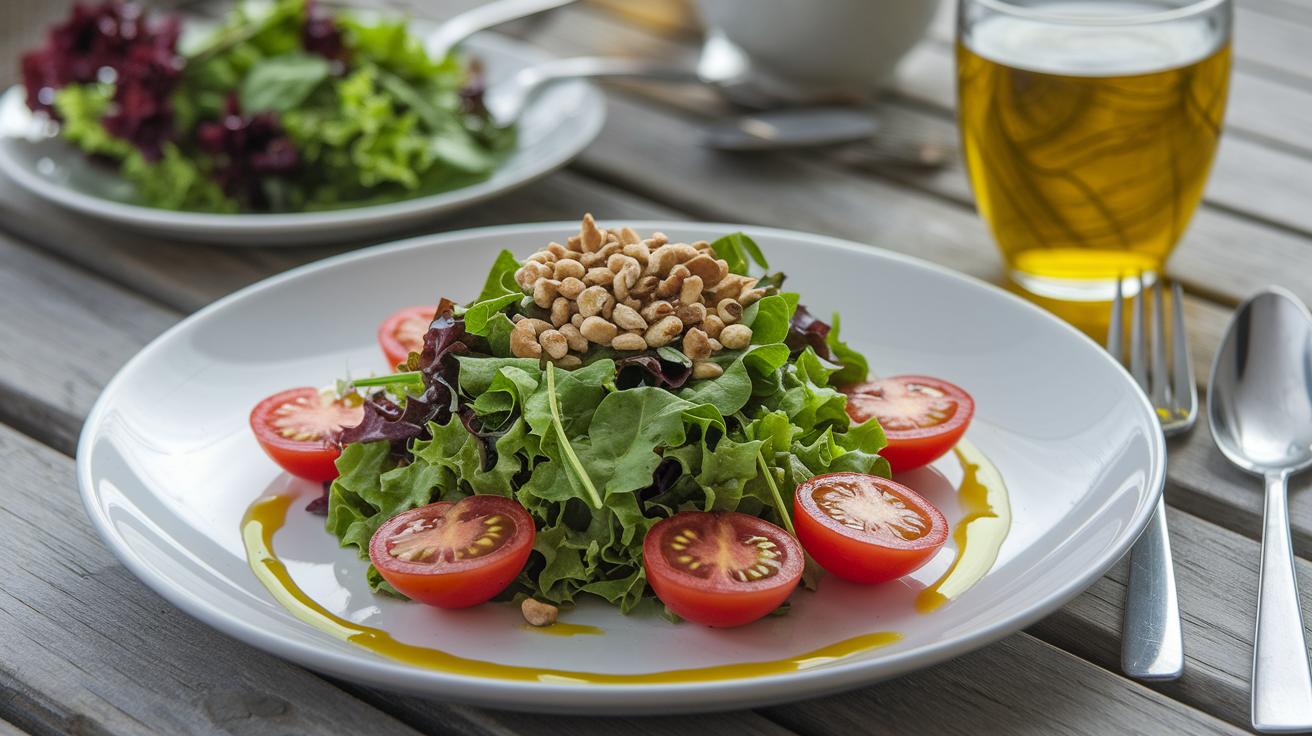
When you’re building a balanced diet, healthy fats can make all the difference. Think of extra-virgin olive oil, avocado, almonds, walnuts, and flaxseed. These ingredients are rich in monounsaturated and polyunsaturated fats (good fats that support cell health and help manage inflammation). Imagine drizzling olive oil over a crisp salad, a burst of flavor that’s as heart-friendly as it is delicious.
Fatty fish like salmon and sardines also bring omega-3 fatty acids (essential fats that help keep your heart healthy) to the table. They’re a tasty way to boost your cardiovascular well-being.
Coconut oil is another smart pick, thanks to its medium-chain triglycerides (quick energy sources your body can easily use). It offers a natural pick-me-up when you need extra energy.
Mixing these healthy fats into your meals doesn’t just enrich your dishes; it also provides essential nutrients in a delightful, versatile way. Every bite can be both satisfying and nourishing, helping you feel your best day after day.
Fruits and Vegetables in a Balanced Diet Food List

Imagine biting into a crisp apple or enjoying a naturally sweet banana, each delivering fiber, antioxidants (natural substances that help protect your cells), vitamin C, and potassium to keep you refreshed and energized. These fruits add a burst of flavor and help you maintain steady energy all day. They’re perfect as a quick snack or mixed into your cereal, smoothies, or salads for an extra nutritional boost.
Now, think about the rich colors of fresh veggies like broccoli, spinach, kale, and carrots. These vegetables pack vitamins K and A and offer detoxifying compounds such as beta-carotene (a nutrient that supports healthy skin and eyes) and glucosinolates (substances that help your body detoxify). Enjoying them raw or lightly steamed keeps their crunch and vibrant flavor intact, making every bite a satisfying, nutrient-rich experience.
Portion Sizes and Visual Plate Models for a Balanced Diet Food List

Ever feel overwhelmed planning a meal? A visual plate model can make things a lot simpler. Imagine dividing your plate so that half is bursting with fruits and veggies, one quarter holds whole grains, and the remaining quarter features lean proteins. It’s like having a snapshot guide to help you balance your nutrients without too much hassle.
Think of it like this: You have a quick roadmap for meal planning that makes sure you get the energy you need and feel satisfied all day long. Experts recommend everyday targets like 2 cups of fruits, 2.5 cups of vegetables, 6 ounce-equivalents of whole grains (that’s about 1 cup of cooked brown rice), 5.5 ounces of lean proteins, 3 cups of dairy, and around 27 grams of oils (roughly 2 teaspoons of olive oil). Pretty neat, right?
The best part? Using the USDA plate model lets you clearly map out your meals so they include every essential food group. It removes the guesswork and helps you build a balanced plate that supports both your energy levels and overall health. Adjust these portions as needed to match your unique tastes and lifestyle.
| Food Group | Daily Servings | Serving Size Example |
|---|---|---|
| Fruits | 2 cups | 1 medium apple or 1 cup of mixed berries |
| Vegetables | 2.5 cups | A large mixed salad bowl |
| Whole Grains | 6 ounce-equivalents | 1 cup of cooked brown rice |
| Lean Proteins | 5.5 ounces | One small chicken breast or a portion of fish |
| Dairy | 3 cups | 1 cup of milk or yogurt over the day |
| Oils | 27 grams | About 2 teaspoons of olive oil |
Next, keep in mind that this simple framework not only helps you decide what goes on your plate, but it also builds good eating habits that feel both nourishing and practical. It’s all about making healthy choices that fit perfectly into your daily routine. Enjoy experimenting with this approach, and see how just a few small changes can make a big difference in your health and energy!
Sample One-Week Balanced Meal Plan Food List

Kick off your week with a mix of tasty meals that blend flavor, texture, and wholesome goodness. On Day 1, start your morning with a creamy bowl of Greek yogurt topped with fresh strawberries and a dash of chia seeds (small seeds that boost fiber and omega nutrients). This breakfast gives you a boost of protein, a hint of natural sweetness, and the energy you need for the day. For lunch, enjoy a grilled chicken salad filled with crisp mixed greens, providing essential vitamins and lean protein. Then, finish the day with baked salmon served alongside hearty quinoa and roasted broccoli, loading your plate with omega-3 fatty acids and healthy carbohydrates.
On Day 2, warm up with a comforting bowl of oatmeal mixed with juicy blueberries and crunchy almonds, a simple, satisfying start. For your midday meal, dig into a tuna wrap paired with a cozy vegetable soup that feels like a warm hug. Dinner brings a satisfying turkey stir-fry over brown rice, keeping your energy steady as the day winds down. Day 3 continues this nourishing journey with inventive egg-spinach dishes and a refreshing lentil soup, building a strong foundation for the days ahead.
Days 4 and 5 mix things up without skimping on balance. Picture enjoying a lean meat bowl brimming with colorful vegetables and whole grains to keep your energy even. You might also savor a plant-based casserole that celebrates seasonal produce and a medley of flavors, offering both creative variety and nutritional support. Lighter lunches like crisp salads or hearty soups with a touch of lean protein help maintain clear focus and steady energy throughout your day.
On Days 6 and 7, embrace vibrant vegetable stir-fries and inventive dishes that blend old favorites with modern twists. Imagine a savory mix of sizzling greens and tender pieces of your favorite protein, served with wholesome complex carbohydrates to keep you satisfied and energized. For even more meal ideas, visit https://healthlystats.com?p=1125.
Final Words
In the action of exploring our balanced diet food list, we broke down the essential food groups that fuel energy, support muscle repair, and promote overall wellbeing. We looked at proteins, carbohydrates, healthy fats, fruits, and vegetables in simple, clear terms, along with easy meal planning ideas that fit your daily routine.
Each section served as a friendly guide to making choices that lift your wellness. Keep enjoying the benefits of balanced meals and feel great every day!
FAQ
Q: What is a balanced diet chart?
A: A balanced diet chart outlines essential food groups like proteins, carbohydrates, healthy fats, fruits, and vegetables to help create nutritious meals that fuel energy, growth, and repair.
Q: How do you define a balanced diet with an example?
A: A balanced diet means enjoying a mix of proteins, whole grains, fruits, vegetables, and healthy fats. For example, a meal with grilled chicken, quinoa, steamed broccoli, and a fruit salad demonstrates this balance.
Q: What is a 7-day healthy eating plan?
A: A 7-day healthy eating plan offers daily meal ideas that evenly distribute nutrient-dense foods. It includes varied meals like yogurt breakfasts, mixed green salads, lean proteins, and whole grains to keep your week energized.
Q: What should be included in a balanced diet plate?
A: A balanced diet plate features half fruits and vegetables, with the remaining portion divided between whole grains and lean proteins. This arrangement helps deliver essential vitamins, minerals, and fiber.
Q: What foods should I eat for a balanced diet, and what are the key food groups?
A: A balanced diet calls for lean proteins, whole grains, healthy fats, fresh fruits, and a variety of vegetables. These groups work together to boost energy, repair muscles, and maintain overall wellness.
Q: Can you provide a list of healthy foods?
A: A list of healthy foods can include lean meats, beans, brown rice, whole-grain bread, leafy greens, colorful vegetables, fresh fruits, nuts, seeds, and healthy fats like avocado and olive oil.
Q: What are some key benefits of following a balanced diet?
A: Following a balanced diet builds energy, supports muscle repair, aids digestion, stabilizes blood sugar, bolsters immune function, sharpens mental clarity, and promotes overall physical health.