
Ever feel like a simple stretch could wash your stress away and lift your mood? Thai yoga massage may be just the trick. This age-old practice blends full-body stretches, gentle twists, and soft pressure to gently wake up both your body and mind. It works to ease headaches, reduce anxiety, and boost flexibility while making you feel calm. Picture wrapping yourself in a soothing flow that leaves you refreshed and balanced. Give it a try and discover a natural way to invite serenity into your everyday life.
thai yoga massage: Embrace Serenity and Balance

Thai yoga massage is an age-old Thai wellness practice that uses full-body stretches, gentle twists, yoga poses (asanas), and light palm pressure to create a balanced experience. This active massage wakes up your body by stimulating key pressure points and opening energy channels, leaving you feeling refreshed in both body and spirit.
The practice flows through a series of rhythmic movements that link one posture to the next, ensuring every part of your body feels connected. It’s perfect for athletes, those stuck at a desk, or anyone looking to boost flexibility and energy. Imagine moving through your day with ease and a natural rhythm.
Benefits include:
- Fewer headaches
- Relief from lower-back and joint pain
- Greater flexibility and range of motion
- Lower anxiety
- A boost in both mental and physical energy
When you combine dynamic stretching with techniques that guide your body’s energy, many people notice improvements in mobility and a reduction in stress. The gentle pressure and smooth transitions help your body follow its natural rhythm, offering both physical relief and a calm escape from everyday pressures.
Historical Origins and Cultural Roots of Thai Yoga Massage

Thai yoga massage began in ancient Siam, influenced by the healing practices of Chinese acupuncture (using tiny needles to boost your body's energy) and Indian Ayurveda (a system that uses herbs and techniques to promote well-being). In Buddhist monasteries, early practitioners developed a self-care ritual that involved gentle stretching and focused pressure to help keep the body in balance and support everyday health.
Monks and healers adopted this practice to harmonize their life energy, known as lom, and to bring body, mind, and spirit into alignment. This method was not just about easing physical aches, it also promoted mental calm and spiritual well-being as part of a disciplined daily routine. Over the years, these techniques evolved into a refined system that mixes assisted stretching with purposeful pressure to clear energy pathways. Every move reflects the ongoing quest for balance found in Buddhist wellness practices, helping to ease tension and spark the natural flow of energy. These time-honored techniques have been handed down through generations and continue to offer a trusted way to weave ancient cultural wisdom into modern holistic care.
Key Techniques and Session Structure in Thai Yoga Massage

Thai yoga massage is a lively blend of assisted stretches, gentle twists, familiar yoga poses, and a soothing rhythm of palming. In simple terms, your therapist helps guide your body with thumbs, hands, elbows, knees, and sometimes even feet. They keep energy flowing along special channels called Sen lines (paths that help move energy throughout your body), leaving you both relaxed and refreshed. The session feels very personal because your therapist adjusts the moves based on how you feel.
-
Client Assessment – You start by chatting with your therapist about any tight spots or discomfort. This helps them plan a session that fits you perfectly.
-
Warm-Up Stretches – Next, you enjoy light stretching that wakes up the muscles and boosts circulation. It’s like a gentle warm-up before the real magic happens.
-
Priming the Energy Lines – Then, the therapist uses soft techniques to nudge your Sen lines into action. This step ensures that your energy flows freely during the massage.
-
Integrating Palming and Gentle Twists – With rhythmic palming and subtle, twisting yoga moves, your therapist deepens the stretch while soothing your muscles, almost like a gentle dance that supports your body.
-
Hands-On Pressure Application – Various parts of the therapist’s body, thumbs, elbows, knees, and feet, apply focused pressure at key energy points. For a visual guide on this hands-on sequence, check out how to give a full body massage.
-
Guided Relaxation – Finally, the session ends with a period of calm, guided relaxation. This quiet moment helps your body absorb all the benefits of the work done, leaving you feeling balanced and in tune.
Your therapist makes sure to ask for feedback throughout the session, assuring that each move feels just right for you. This open conversation turns the entire experience into a personal journey, making you feel grounded, relaxed, and ready to take on the day.
Training, Certification, and Practitioner Qualifications for Thai Yoga Massage
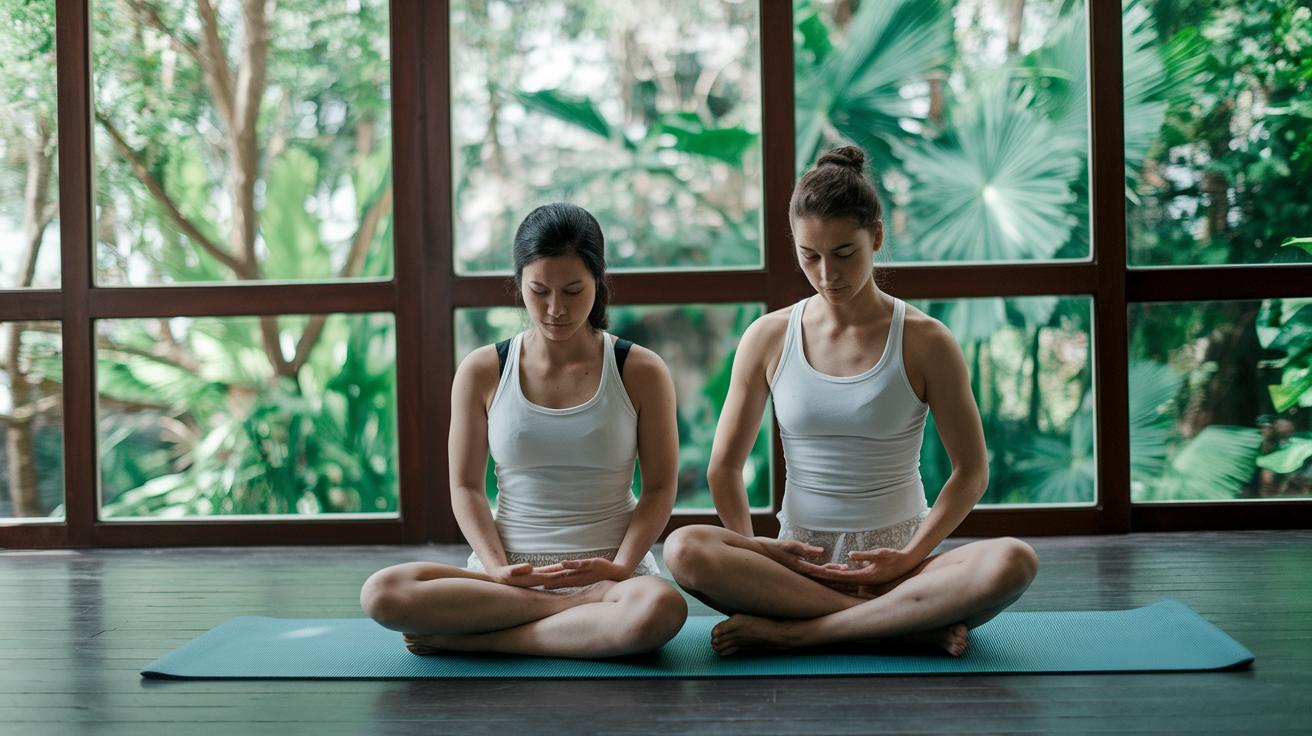
Many budding practitioners kickstart their journey by signing up for certified training programs that cover every key aspect of Thai yoga massage. These courses are crafted to help you understand both the body's physical structure and the flow of energy so that you can practice safely and effectively. It’s like giving yourself a toolkit filled with both science and tradition.
| Module | Description |
|---|---|
| Anatomy | Learn about the structure and mechanics of the human body |
| Energy Theory | Discover how energy moves through the body in clear, simple terms |
| Hands-On Practice | Practice massage techniques and stretching to build your skill |
| Integrated Courses | Combine Thai yoga with ideas from Ayurveda and modern anatomy |
Accredited courses, such as the 200-hour Thai yoga bodywork certification, are designed to meet professional standards with thorough training. You might find that weekend intensives, retreats, or apprenticeship programs give you a hands-on blend of traditional techniques and detailed anatomy lessons. These courses often offer continuing education credits, making it easy to keep growing and refining your skills. This well-structured, in-depth training approach not only builds confidence but also sets a high benchmark for quality and expertise in Thai yoga massage.
Thai Yoga Massage Versus Other Massage Modalities

Thai yoga massage is a unique experience that invites you to get involved by guiding your body through assisted stretches. Unlike Swedish massage that focuses on gentle, relaxing touches for a calming experience, this approach has you actively participating, mixing movement with mindful pressure to reawaken your body's energy pathways.
If you've experienced deep tissue treatments, you know they use strong pressure and deep muscle work to ease tension. Thai yoga massage, on the other hand, offers a smooth sequence of stretches and focused pressure along key energy lines. And while lymphatic drainage relies on soft, light strokes to help fluids move naturally, Thai yoga massage combines deeper pressure with dynamic stretching. This means each method brings its own benefits depending on what your body needs.
| Modality | Approach | Primary Benefit |
|---|---|---|
| Swedish Massage | Passive, soothing touch | Deep relaxation and stress relief |
| Deep Tissue | Intense muscle work with strong pressure | Release of deep-seated tension |
| Lymphatic Drainage | Light strokes focused on fluid movement | Reduction of fluid retention and gentle circulation boost |
These side-by-side comparisons show how Thai yoga massage artfully blends active participation with rhythmic stretching and targeted pressure. It offers a refreshing and dynamic alternative for easing tension while boosting your body awareness.
What to Expect and How to Prepare for Your First Thai Yoga Massage

Before your first session, take a moment to get both your mind and body ready. Thai yoga massage mixes ancient Eastern healing with gentle stretches that help ease tension and let your energy flow. This active experience is done fully clothed, so you'll be gently guided through movements while chatting with your practitioner to make sure it fits your needs.
Wear loose, comfy clothes that let you move freely.
Try to arrive a few minutes early so you can complete a quick wellness check.
Let your practitioner know if you have any injuries or health concerns so they can adjust the session safely.
Plan on a session length between 60 and 120 minutes, enough time to feel fully restored.
After the massage, drink plenty of water to help your body recover.
These simple steps help ease any first-time jitters and set you up for a smooth, relaxing experience. Whether you're at a studio or joining a virtual class, these tips ensure your introduction to Thai yoga massage is safe, mindful, and truly rewarding.
Finding Thai Yoga Massage Providers and Online Resources
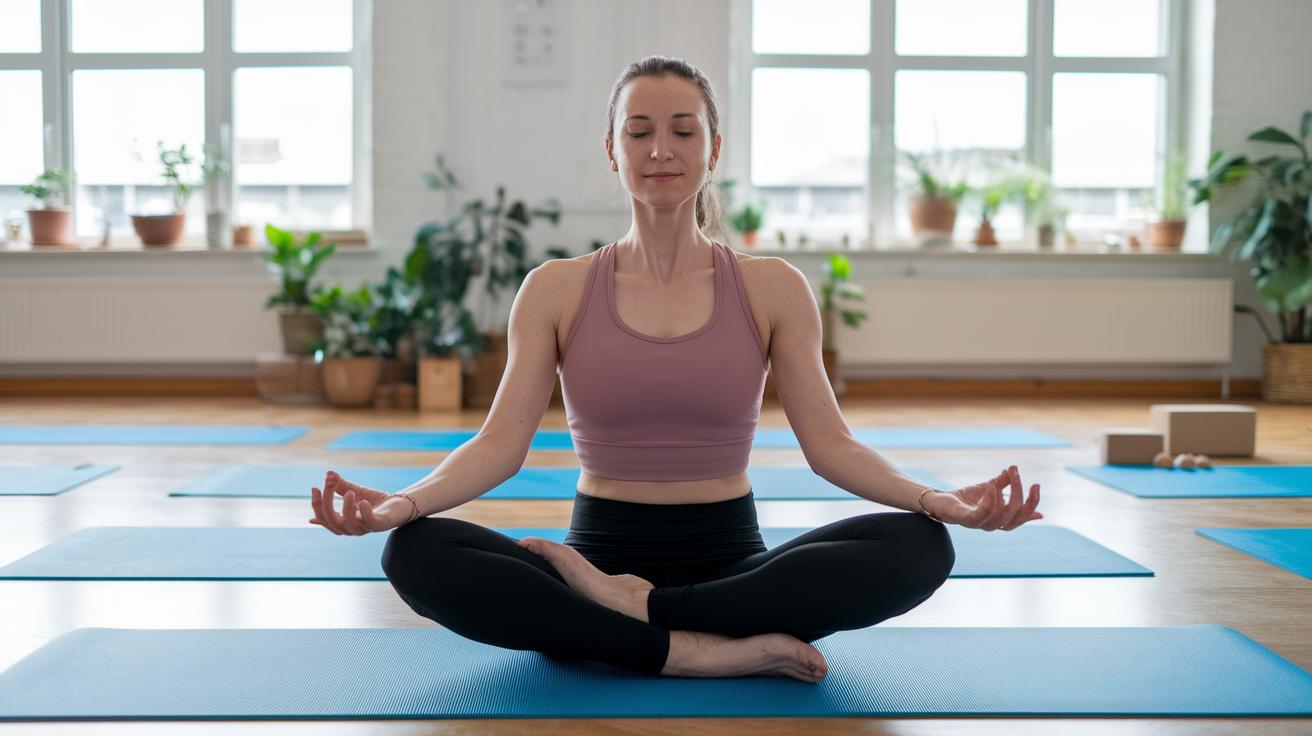
Wellness centers today offer both in-person sessions and online classes, letting you pick the option that fits your daily routine perfectly. Local studios deliver hands-on classes with special deals for newcomers and membership rates that make learning personal techniques fun, all while connecting you with a friendly community. At the same time, online livestream classes and video libraries let you practice at home at your own pace, without having to travel. Plus, workshops and retreats often bring beginners together with seasoned practitioners, giving you a chance to deepen your Thai yoga massage practice in a caring and supportive setting.
| Option | Description |
|---|---|
| Personalized Studios | Enjoy one-on-one sessions that focus on your unique needs |
| Retreats | Dive into immersive and extended practice experiences |
| Livestream Classes | Interact in real time with guided sessions |
| On-Demand Libraries | Practice at home whenever it suits you best |
Take a little time to check provider credentials and read reviews. That way, you can be confident you’re choosing a trusted source that meets your wellness goals.
Final Words
In the action, you’ve seen how thai yoga massage moves beyond a typical stretch. The post explained its origins, key techniques, and how its training builds expert practitioners. We looked at what sets it apart from other massage methods and gave tips on how to prepare for a session. Each section connected ancient wisdom with modern needs, making the practice both accessible and rejuvenating. This approach helps you feel ready and excited to try the therapy for better overall wellness. Enjoy the transformation it brings to your everyday life!
FAQ
Thai yoga massage near me
Searching for Thai yoga massage near you means checking local wellness directories and reviews to find certified therapists offering traditional techniques and personalized sessions in your area.
Thai Yoga Massage training
Thai yoga massage training blends hands-on practice with theory by teaching traditional stretching, rhythmic pressure, and energy flow techniques, often leading to certification and fresh wellness career opportunities.
Thai yoga massage benefits
Thai yoga massage benefits include improved flexibility, relief from muscle tension, reduced anxiety, enhanced energy flow, and an overall boost in both mental and physical vitality.
Full body Thai yoga massage
A full body Thai yoga massage features dynamic-assisted stretches, gentle twisting, and rhythmic palming applied throughout the body, creating balance and relieving stress for a refreshing overall experience.
Thai yoga massage Reddit
Thai yoga massage discussions on Reddit share real user experiences and tips, offering insights on techniques, training, and the practice’s therapeutic effects that many enthusiasts find helpful.
Thai Yoga Massage video
Thai Yoga Massage video guides provide step-by-step instruction on dynamic stretches and pressure techniques, giving viewers a clear, visual way to learn and safely practice this traditional method at home.
Thai yoga massage techniques
Thai yoga massage techniques involve a mix of assisted stretches, gentle twists, and rhythmic palming to stimulate energy flow and ease tension, helping you experience greater balance and relaxation.
Thai massage
Thai massage is a traditional practice that uses assisted stretching, rhythmic pressure, and yoga-inspired movements to boost energy circulation, ease tension, and promote overall physical and mental relaxation.
What is a Thai yoga massage?
A Thai yoga massage is a traditional full-body treatment leveraging assisted yoga poses, gentle twists, and rhythmic pressure to enhance flexibility, balance energy, and relieve physical tension.
Is Thai yoga massage better than deep tissue massage?
Thai yoga massage is distinct from deep tissue massage because it focuses on assisted stretches and energy flow rather than intense muscle work, making it appealing for those seeking overall balance without heavy pressure.
Do you remove all clothes for a Thai massage?
Thai massage is typically performed while you remain fully clothed in loose, comfortable attire, ensuring you can relax and experience the stretching and pressure techniques without undressing.
What does a Thai massage include?
A Thai massage includes dynamic-assisted stretching, gentle twists, rhythmic palming, and guided relaxation, all working together to stimulate energy pathways and restore balance to the body and mind.