
Ever wonder if there’s a simpler way to fuel your day? Clean eating is all about choosing whole, natural foods that give your body a real boost.
Imagine swapping a packaged snack for a crisp apple. Small changes like that can add up and make you feel vibrant and refreshed.
When you eat clean, you pick foods you can trust, turning every meal into a moment to truly care for yourself.
If you’re looking for an easy path to better health, this approach might be exactly what you need.
Clean Eating Diet Fundamentals
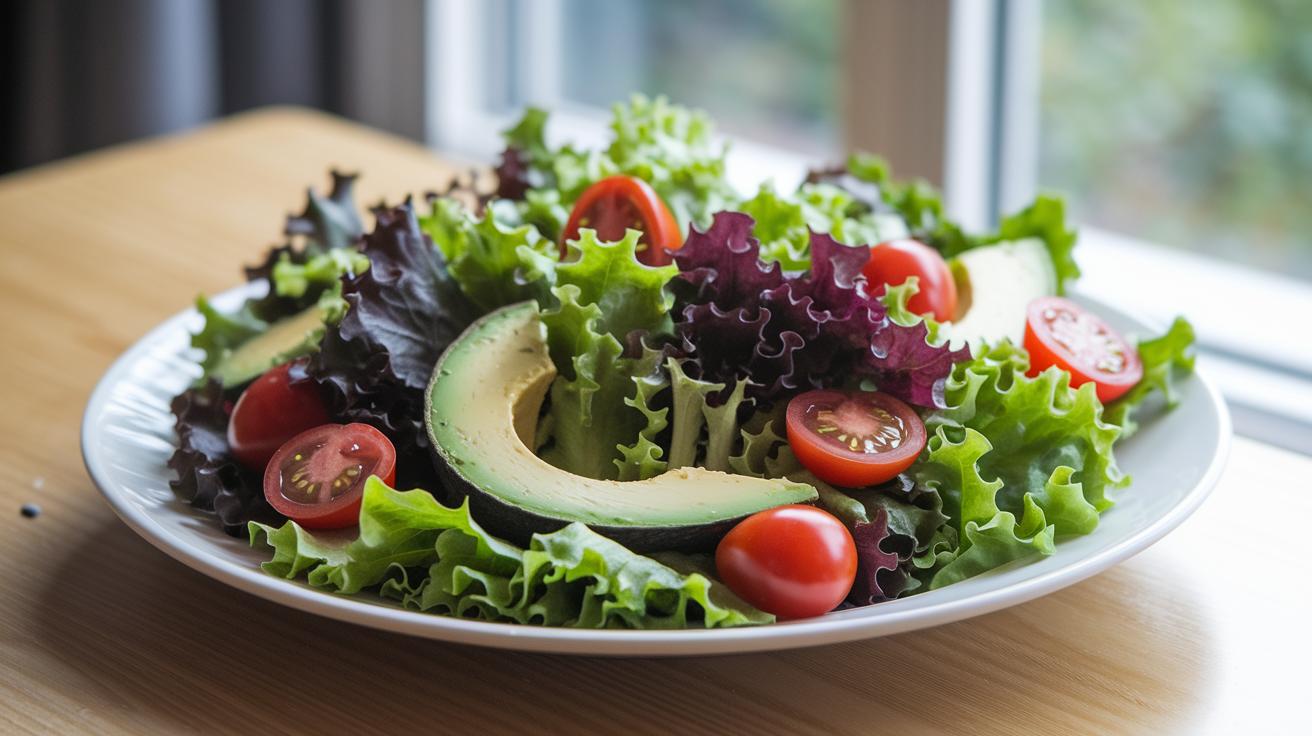
Clean eating is all about feeding your body with whole, natural foods loaded with vitamins, minerals, high-quality protein, and healthy fats. Imagine enjoying a fresh, crisp salad bursting with color, it's not just a treat for your taste buds but also a natural source of steady energy and nutrients that help you power through your day.
There’s no one-size-fits-all recipe here. People adopt clean eating for many reasons. Some seek an energy boost for their busy routines, while others embrace it for overall wellness or ethical and sustainable living. Whether you're a busy professional, a health enthusiast, or even a celebrity, clean eating can be personalized to fit your lifestyle. For instance, you might say, "I choose clean eating to support my active lifestyle," which shows how this approach is all about making mindful, personal choices.
At its core, clean eating means avoiding artificial ingredients like preservatives, antibiotics, hormones, and synthetic chemicals. By opting for pure, natural foods, you create meals that are transparent and nourishing, giving your body the balance it needs to thrive.
Core Principles of a Clean Eating Diet

Clean eating is really about making thoughtful choices with your food. It means focusing on whole, natural ingredients and cooking at home so you always know what’s in your meal. This way of eating not only boosts flavor but also supports your overall well-being.
Fresh Produce Selection
Pick fruits and veggies that are in season and full of life. When you visit your local market, you can enjoy produce at its brightest and most flavorful. Have you ever bitten into a perfectly ripe tomato on a sunny day? It can turn an ordinary salad into a lively experience.
Ingredient Label Awareness
When you shop, take a minute to scan food labels for hidden sugars, additives, and preservatives (extra ingredients that you might not need). This small step can help you steer clear of unwanted extras and keep your meals as natural as possible.
Home Cooking Emphasis
Cooking your own meals means you’re in full control of what goes into your dishes. By preparing food from scratch, you cut down on processed ingredients and let the natural goodness of each food shine through.
Smart Beverage Choices
Swap out sugary sodas for plain water, a splash of fruit-infused water, or a cup of unsweetened tea. This simple change cuts down on extra sugars and keeps you feeling refreshed and well-hydrated.
Foods to Include and Avoid in a Clean Eating Diet
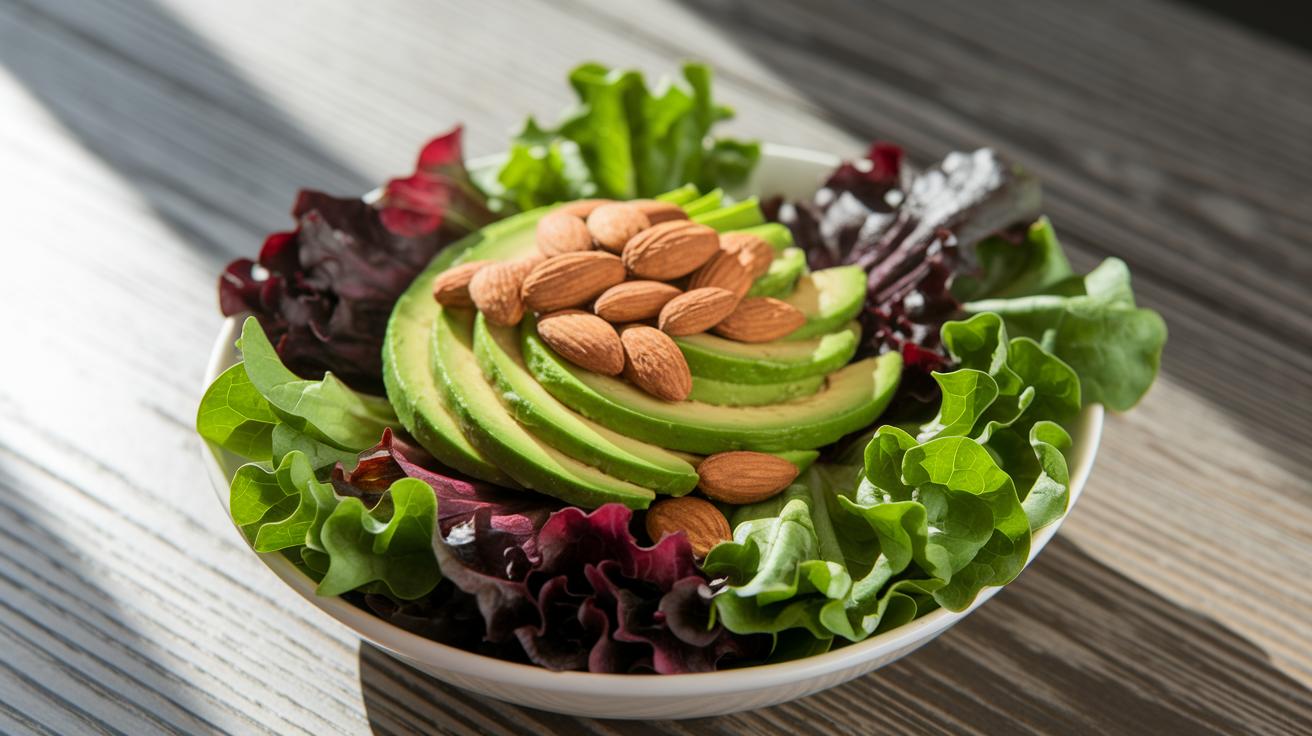
When you focus on eating clean, you’re choosing natural, whole foods that fuel your body and brighten your day. A clean eating diet is all about fresh fruits, veggies, whole grains, lean proteins like grass-fed beef, fresh pork, and beans, plus healthy fats such as avocado, nuts, and olive oil. Imagine a bowl of crisp mixed greens sprinkled with crunchy almonds, a simple pleasure that energizes you without any extra chemicals or additives.
| Include | Avoid |
|---|---|
| Fresh fruits and vegetables (like apples, spinach) | Processed fruit products with added sugars |
| Whole grains (for example, brown rice, quinoa, oats) | Refined grains such as white bread and pastries |
| Lean proteins (such as grass-fed beef, fresh pork, beans) | Processed meats and fried protein options |
| Healthy fats (like avocado, nuts, olive oil) | Saturated fats from fast food and heavily fried items |
| Minimally processed foods with natural ingredients | Packaged snacks loaded with trans fats, additives, and excess sugars |
Remember, clean eating isn’t about following a strict rulebook. It’s more a flexible guide that can accommodate your tastes. Enjoy those nutrient-dense meals most of the time while still allowing yourself an occasional treat to keep your journey both healthy and enjoyable.
Practical Transition Tips for the Clean Eating Diet

Getting started with clean eating isn’t as hard as it may seem. Instead of reaching for a sugary treat, try swapping it for a refreshing glass of water with lemon or fruit-infused water. Imagine trading a soda for a crisp apple or a handful of berries, each bite is a step toward a healthier you.
Feeling pressed for time? Pre-chopped veggies or frozen produce can be a real lifesaver. I often set aside a couple of hours on the weekend to prepare seasonal produce. This little bit of planning not only speeds up your weekday cooking but also gives you full control over what sneaks into your meals.
Stay flexible and have fun with your choices. Rather than an all-or-nothing approach, experiment with different foods and flavors. When shopping, consider seasonal produce or items on sale to keep your grocery bill in check. A simple trick like rinsing canned vegetables can reduce sodium while still providing valuable nutrients.
For more advice on budget-friendly shopping and seasonal planning, check out the balanced diet shopping guide at https://healthlystats.com?p=1686. Small, practical tweaks like these can transform clean eating into a sustainable, enjoyable lifestyle.
Sample Clean Eating Diet Meal Plan
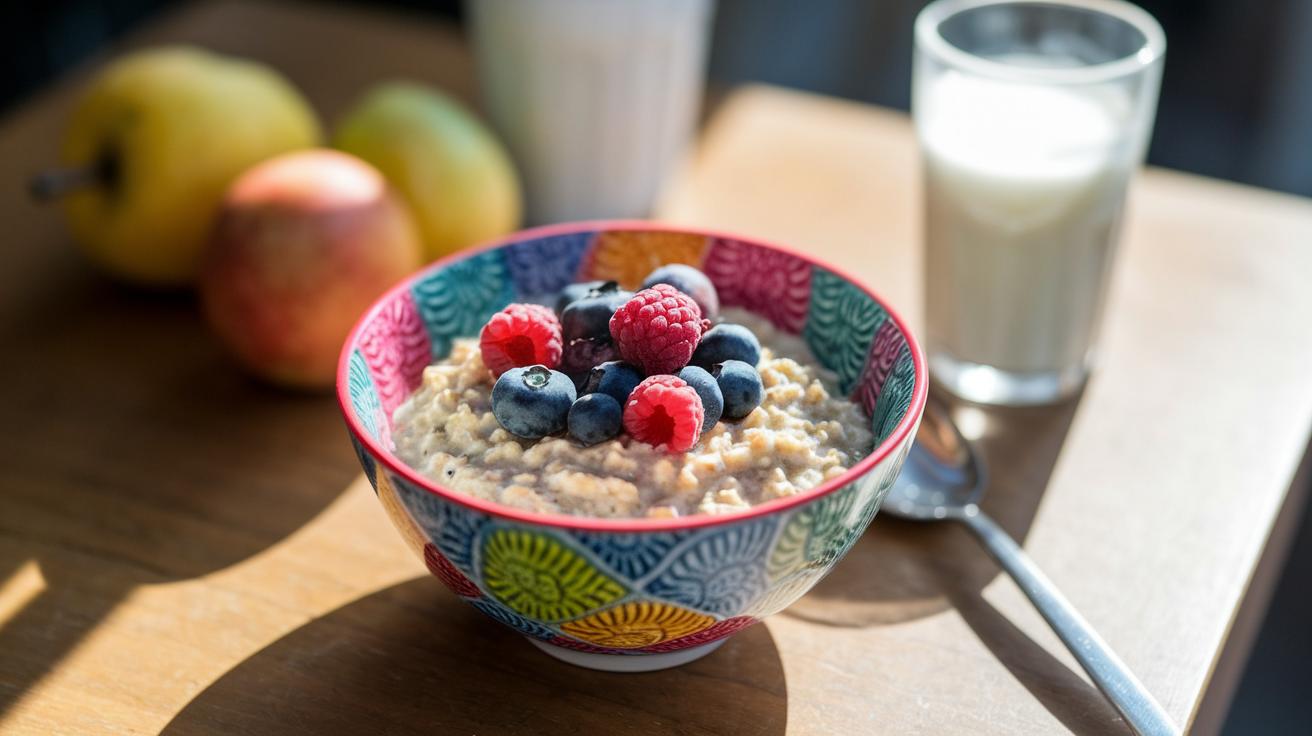
This meal plan is designed to help you feel energized all day with simple, delicious foods. It features nutrient-packed options for breakfast, lunch, and dinner that are both satisfying and easy to prepare. Picture starting your morning with a warm bowl of oatmeal and fresh berries that burst with flavor, then enjoying a handful of mixed nuts to keep your energy up. Each meal is carefully put together with quality protein, healthy fats, and whole grains to support your busy lifestyle and overall wellness.
Every bite is thoughtfully chosen to give you a mix of vitamins and minerals without weighing you down. This plan is a friendly starting point for anyone new to clean eating, aiming to blend great taste with true nourishment over the course of a week.
| Time | Meal | Components | Key Nutrients |
|---|---|---|---|
| Breakfast | Oatmeal with berries | Whole oats, mixed berries | Fiber, antioxidants (natural cell protectors), carbs |
| Morning Snack | Mixed nuts | Almonds, walnuts, cashews | Healthy fats, protein |
| Lunch | Grilled chicken salad | Chicken, mixed greens, vinaigrette | Lean protein, vitamins |
| Afternoon Snack | Greek yogurt with honey | Plain yogurt, a drizzle of honey | Protein, probiotics (good bacteria for your gut) |
| Dinner | Baked salmon, quinoa, steamed broccoli | Salmon, quinoa, broccoli | Omega-3 fats, protein, fiber |
| Optional | Herbal detox tea | Herbal blend tea | Hydration, soothing antioxidants |
Feel free to tweak this plan to suit your tastes and nutritional needs.
Health Benefits of a Clean Eating Diet
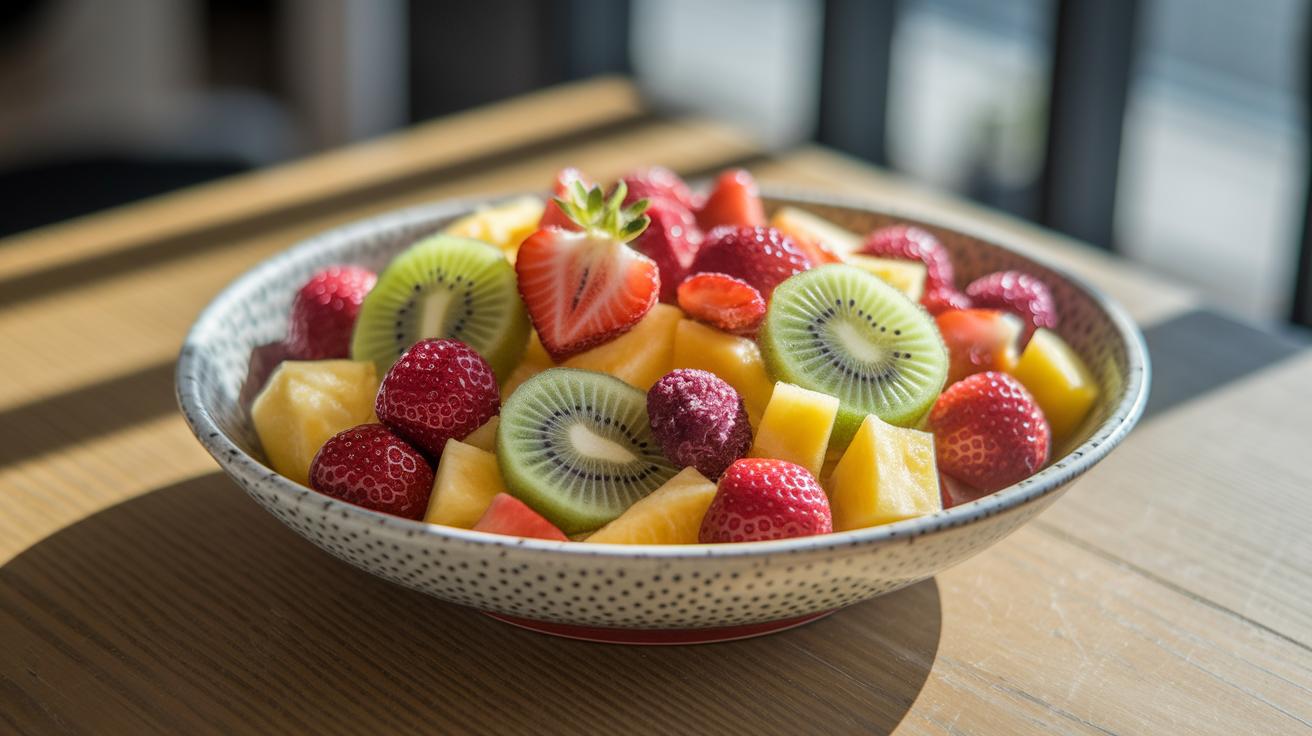
When you embrace a clean eating diet, you give your body a boost with whole foods full of vitamins, minerals, and healthy fats. This natural approach fills you with steady energy, supports your immune system, and helps keep your cells in tip-top shape. By cutting back on extra sugars, trans fats, and saturated fats, you lower your risk for heart issues and diabetes. For instance, swapping a sugary snack for a fresh fruit salad can lift your energy and improve your overall wellness.
A clean eating plan also makes your energy levels more balanced and your digestion smoother, while easing inflammation. When you load up on high-fiber foods and antioxidants (natural substances that help protect your cells), you nurture a happier gut and soothe inflammation all over your body. As your digestion gets better, everyday activities might even feel easier and more enjoyable. Next, if you're curious about how different nutrients work together, check out this guide on balanced diet food groups at https://healthlystats.com?p=1654
Challenges and Sustainability of Maintaining a Clean Eating Diet

Choosing to eat clean can sometimes feel like extra work on an already busy day. You might end up spending more time in the kitchen, chopping and mixing fresh ingredients, which can add a bit of stress when time is tight. Plus, planning every meal meticulously along with unexpected grocery bills can make the whole process seem overwhelming, leaving little room for taking it easy.
To make clean eating more fun and manageable, try mixing in some stress-free strategies. For instance, batch cooking on quieter days or relying on pre-prepped ingredients can save you both time and energy. And hey, it's perfectly fine to indulge in a small treat now and then, after all, healthy eating should nourish you while still being enjoyable. Adopting a flexible meal plan can help keep things light and balanced, making your wellness journey feel more like an adventure than a chore.
Final Words
in the action we broke down a clean eating diet by exploring nutrient-rich whole foods and smart ingredient choices. We examined what foods to enjoy and those to skip, shared practical tips for switching up your meals, and even mapped out a sample plan. We also touched on the positive health benefits and common challenges, all backed by science. Every step you take toward this approach can bring fresh energy and clarity to your daily routine. Enjoy the boost from your clean eating diet and move forward with a smile.
FAQ
Clean eating recipes
Clean eating recipes focus on dishes made from whole foods like fresh fruits, vegetables, lean proteins, and whole grains to boost nutrients and energy while avoiding processed ingredients.
How to eat clean for Beginners
Eating clean for beginners means choosing unprocessed, whole foods, preparing meals at home, and reading labels to avoid hidden sugars and additives, making the transition simple and rewarding.
7-day clean eating meal plan
A 7-day clean eating meal plan offers a week-long guide to balanced meals, helping you incorporate nutrient-rich foods steadily to support energy, weight management, and overall wellness.
Clean eating diet plan for weight loss
A clean eating diet plan for weight loss emphasizes nutrient-dense whole foods, cutting out processed sugars and unhealthy fats, which supports steady energy levels and gradual, sustainable weight reduction.
Clean eating diet menu
A clean eating diet menu provides a detailed plan of daily meals featuring fresh produce, lean proteins, whole grains, and healthy fats, making it easy to enjoy variety and balanced nutrition.
Clean eating foods to avoid
Clean eating foods to avoid include items with artificial ingredients, added sugars, preservatives, and processed oils, such as many packaged snacks and refined breads, to keep meals pure and nutrient-rich.
21 Day clean eating meal plan PDF
A 21 Day clean eating meal plan PDF outlines a three-week guide with balanced recipes, shopping lists, and daily menus, helping you build lasting healthy eating habits step by step.
Clean eating food list for Beginners
A clean eating food list for beginners highlights staple whole foods like fresh fruits, colorful vegetables, lean proteins, and whole grains, serving as an easy guide to improve your diet naturally.
What foods are good for a clean eating diet?
Foods good for a clean eating diet include fresh fruits, vegetables, whole grains, lean proteins, and healthy fats like avocado and olive oil, ensuring a rich supply of vitamins and minerals.
What is an eating clean diet?
An eating clean diet means choosing minimally processed, nutrient-dense foods, avoiding artificial additives, and focusing on fresh ingredients to support overall health and well-being.
How do beginners eat a clean meal plan?
Beginners can eat a clean meal plan by starting with simple recipes, preparing meals at home, carefully reading labels to avoid additives, and gradually adapting to a routine that emphasizes whole foods.
What is the 80 20 rule for clean eating?
The 80 20 rule for clean eating means that 80 percent of your meals should consist of nutrient-rich, whole foods while allowing the remaining 20 percent for occasional indulgences, promoting a balanced lifestyle.