
Have you ever noticed how a few gentle movements can light a spark in your mind and body? Tai Chi is more than just exercise. It’s a moving meditation that eases daily tension while fostering a peaceful determination.
Its smooth, rhythmic motions help your body move naturally, often boosting balance and easing stress. Think of it like a comforting reset for both your muscles and emotions.
Today, we’re exploring how Tai Chi blends mindful motion with inner calm to help you feel centered and more resilient every day.
tai chi wellness Energizes Mind and Body
Tai Chi is like a gentle, moving meditation that fills your body with a calm energy. Its smooth, flowing motions help your body circulate Qi (the natural energy that flows in you) while soothing your mind. Many people notice that practicing Tai Chi regularly can ease anxiety and lower stress hormones, almost like experiencing the peaceful quiet after a gentle rain.
Not only does Tai Chi help reduce stress, but it also brings great physical benefits. It can improve how your joints move and help you stand straighter. I've seen videos where even those with conditions like Parkinson’s gain better balance and stability, reducing their risk of falls. The slow, steady motions boost both your heart health and flexibility, making you feel more connected between mind and body. A simple tip: start with just five minutes of mindful warm-up exercises, and soon you’ll notice your balance and posture becoming more in tune with your body.
At its heart, Tai Chi is a holistic practice that blends physical movement with mental focus. Regular sessions can give you measurable gains in balance, flexibility, and overall well-being. It works naturally to relieve stress while strengthening muscles and joints. Even on a hectic day, a short session can reset your mind, leaving you centered and ready to handle whatever comes your way. Try embracing the smooth movement of Tai Chi and feel how it gently transforms both your mind and body with every step.
Key Principles of Tai Chi Mind-Body Integration
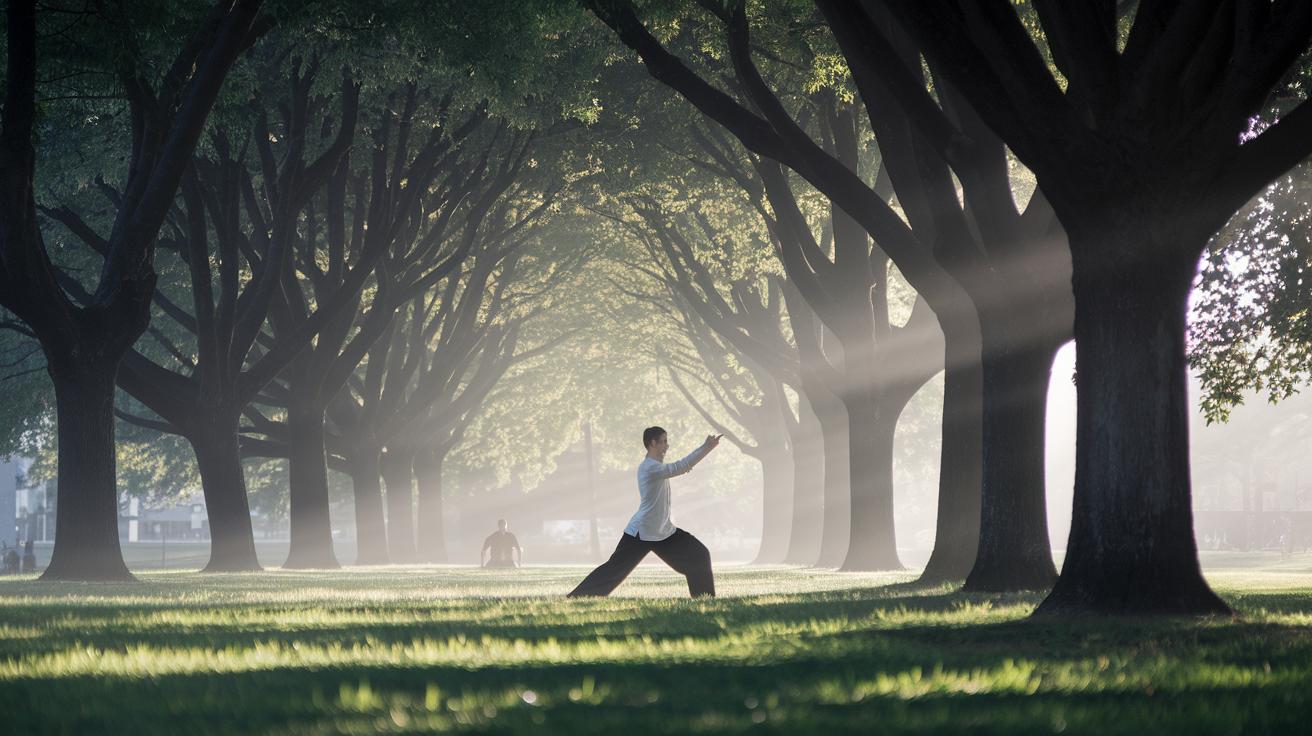
Tai Chi blends proper posture, steady breathing, and mindful movement with a gentle flow that feels almost natural. It combines slow, stable poses that build your core strength with breathing techniques involving deep, rhythmic inhales and smooth, controlled exhales. Picture yourself standing relaxed while you slowly breathe in, feeling your chest open like a gentle tide, and then exhaling as calmly as waves receding from the shore. This practice not only clears your mind but also helps nurture Qi (the natural energy running through your body), making you feel centered and calm.
Each move in Tai Chi invites you to tune in to your body with soft, fluid transitions. You might even picture your muscles as delicate strings that help guide you into balance, turning each pose into a mini meditation. These slow, mindful actions sharpen your body’s awareness (your ability to sense where you are in space) and bring about a comforting sense of relaxation. Before you know it, you could feel a quiet confidence that makes handling stress a bit easier, like finding a peaceful island in the middle of a busy day.
Getting Started with Tai Chi for Wellness
If you're ready to dive into tai chi, start by exploring both local and online programs that fit your life. Many local studios offer seasonal classes lasting six to eight weeks with sessions for beginners, intermediate, and advanced practitioners. Imagine the surprise: just one week of tai chi could leave you with a calmer mind and a steadier balance, like catching that unexpected splash of morning energy.
And for those who need a flexible schedule, online classes let you practice tai chi from the comfort of home. This makes it a breeze to include some mindful movement in your day without worrying about traveling. Plus, you'll find options that suit your budget and timing, perfect if you're searching for a "tai chi wellness center near me" or simply trying to keep costs down.
Here are a few ways to get started:
- Look for local studios with seasonal, in-person sessions.
- Check out monthly workshops that introduce the basics of tai chi.
- Try online classes where you can set your own pace.
- Consider personal training sessions for tailored guidance and feedback on your form.
Choosing a format that fits your routine means you'll start your tai chi journey safely and supported. It’s all about taking that small step toward a balanced and energizing practice.
Essential Tai Chi Routines and Relaxation Methods
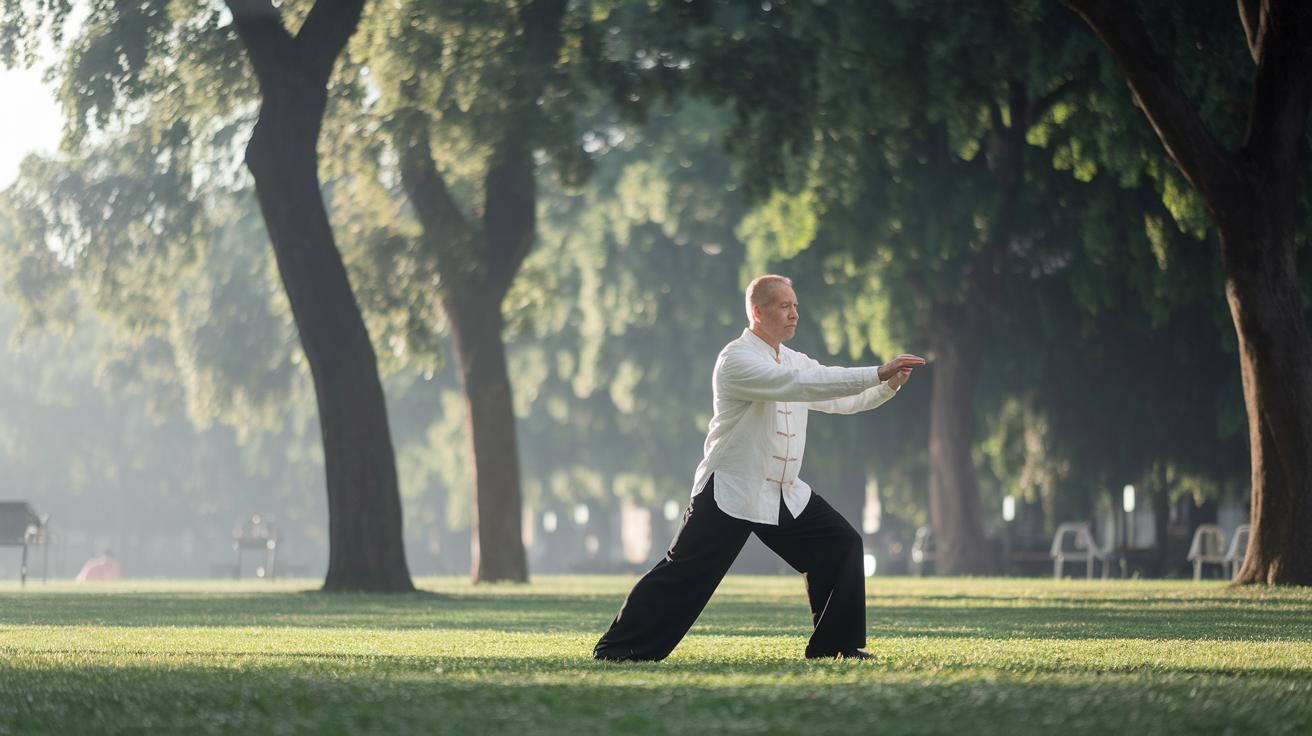
Start your Tai Chi session with around 5 minutes of joint rotations and gentle stretches to wake up your body. Picture it like warming up a car on a cool morning; these movements loosen up stiffness and set the stage for the slow, intentional flow ahead.
Next, spend 15 to 20 minutes moving through a 24-form sequence. Each move flows softly into the next, giving you a calming feel while boosting balance and easing stress. It’s like a moving meditation that clears your mind and nurtures your body.
Now, take about 5 minutes to practice standing qigong breathing. Breathe in for one count and out for two, deepening your relaxation step by step. This mindful breathing gently calms your thoughts and soothes your muscles.
Finally, cool down with a short seated meditation or a slow, peaceful walk. This smooth end helps lower your heart rate and releases any lingering tension, much like a gentle exhale after a long, warm conversation with your body.
Here's a quick overview of the routine:
- 5 minutes of joint rotations and gentle stretches.
- 15–20 minutes of a 24-form sequence.
- 5 minutes of standing qigong breathing.
- A final cool-down with seated meditation or a slow walk.
Scientific Evidence Supporting Tai Chi Wellness
Research shows that tai chi can really help improve your health. Studies have found that people who practice tai chi see about a 10 to 15 percent drop in resting blood pressure. This means that tai chi may support your heart health in a gentle, natural way. Additionally, many people with arthritis notice around a 20 percent decrease in pain after regular practice, while older adults experience roughly 30 percent fewer falls, showing clear benefits in balance and stability.
One study looked at tai chi over a 12-week period, with sessions twice a week. After these 12 weeks, cortisol levels, the hormone related to stress, fell by an average of 25 percent. Lower stress hormone levels can help ease chronic pain and bring more relaxation in your daily life. The movements in tai chi, combined with mindful breathing, show both mental and physical benefits that are easy to measure.
This kind of solid evidence helps bring peace of mind. It tells us that tai chi is not only about feeling calm; it actually helps reduce the risk factors for heart problems, chronic pain, and balance issues. By focusing on slow, flowing motions, tai chi offers a safe, natural way to boost your overall well-being. Continued research, reviewed by professionals, keeps confirming these benefits, so you can trust that tai chi is a reliable method for maintaining better health.
Whether you're seeking to manage your stress, reduce your pain, or simply improve your balance, tai chi offers an appealing option that fits easily into everyday life. Have you ever felt the difference from just a few mindful movements? It might be the gentle boost your body and mind need.
Combining Tai Chi, Qigong, and Integrative Therapies
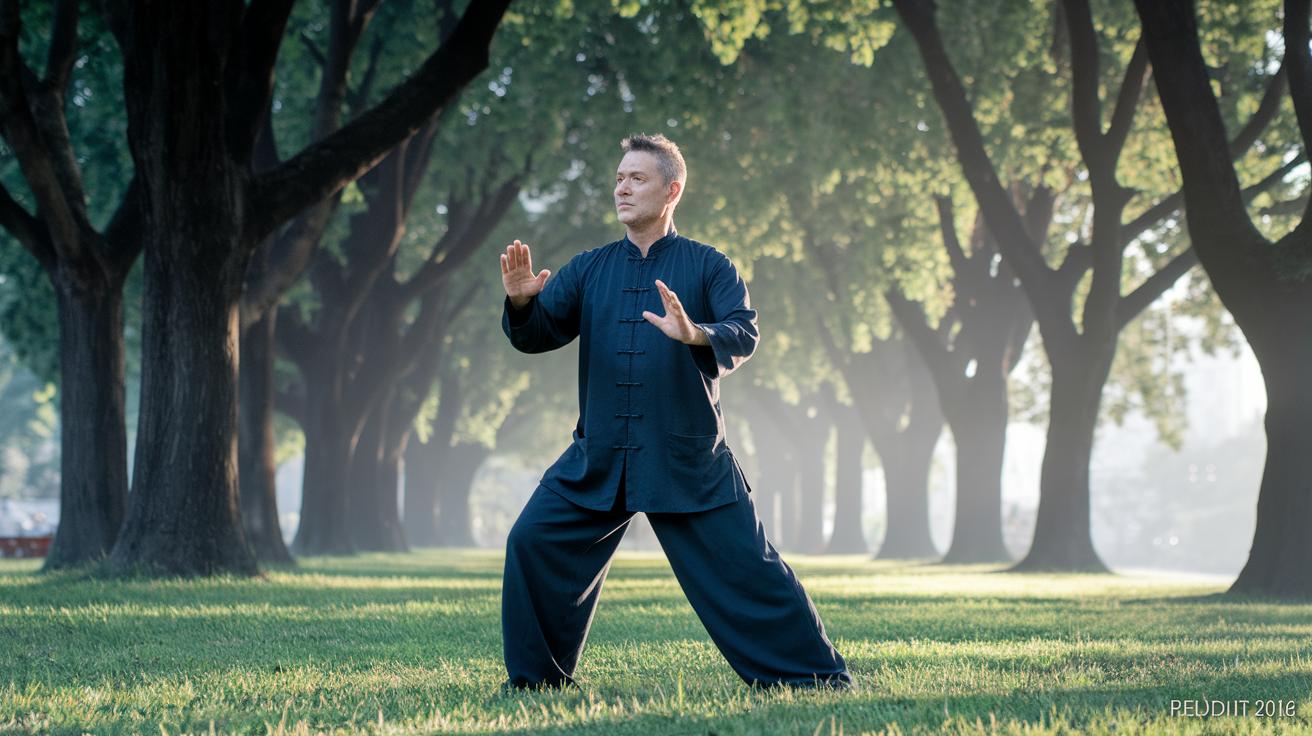
Many centers today blend tai chi and qigong to create a refreshing, harmonious workout for your body and mind. These two ancient practices work perfectly together to heighten your body awareness and smooth out your Qi (your life energy), helping you feel calm and balanced. Their gentle yet focused movements pair beautifully with mindful breathing and neat posture, giving you a well-rounded, nourishing wellness experience.
Some places go a step further and mix tai chi with other therapies like acupuncture, strength circuits, and workshops centered on flexibility and rest. They even offer nutrition seminars and health counseling to support your overall wellbeing. When acupuncture is paired with tai chi postures, it can help ease pain and boost your energy flow, sometimes called tai chi acupuncture or tai chi healing acupuncture. It’s a simple way to tap into a holistic approach that cares for your physical, mental, and emotional health.
This friendly blend of practices shows how movement, mindful relaxation, and therapeutic treatments can work hand in hand. It’s all about strengthening your body, quieting your mind, and uplifting your spirit. Whether you’re trying out tai chi on its own or as part of a broader program, these combined therapies help pave the way for a balanced and vibrant lifestyle.
Exploring Traditional Tai Chi Forms and Advanced Training
Traditional tai chi forms offer you a chance to experience time-tested movements passed down through generations. Many beginners start with Yang’s gentle 24-form, a smooth, flowing routine much like a calm river. Once you get comfortable, you might explore Chen tai chi techniques, which include special silk-reeling moves. Think of these as precise twists and turns that help your energy move gently, almost like a well-tuned melody within your body.
As you progress, advanced training takes you into dynamic movements like sword and saber forms that require careful coordination and a focused mind. In some workshops, you might even try dynamic fajin releases: a quick burst of energy that settles into a smooth, calming follow-through. These exercises help sharpen your body awareness while boosting vitality and promoting a steady flow of energy.
Many classes also break down the traditional forms and include partner push-hands where you receive hands-on feedback. These sessions mix in exercises that challenge both your balance and core strength. In doing so, you create a deeper connection between your movements and your inner energy, turning a classic practice into a richer, more dynamic exploration of your own potential.
Final Words
In the action of tai chi wellness, the post explored how slow, mindful movement improves balance and reduces stress. Gentle forms, breathing techniques, and posture play key roles in boosting joint mobility and lowering anxiety.
We also saw practical tips for starting a self-care routine, supported by solid research and complementary therapies. Embracing tai chi wellness can help transform everyday health and uplift both body and mind. Enjoy the benefits and keep moving forward with confidence!
FAQ
What are the costs for tai chi wellness services and spa treatments?
Tai chi wellness prices vary based on class type, session length, and spa treatments. Many centers offer pricing packages to suit various budgets and service levels.
What do tai chi wellness reviews say about the experience?
Tai chi wellness reviews note improvements in stress relief, balance, and mindfulness. Many practitioners appreciate the supportive environment and calming benefits the practice offers.
How can I locate tai chi wellness centers near me, including spas and acupuncture facilities?
Searching online with your location helps you find tai chi centers, spas, and acupuncture facilities. Listings often include reviews, class schedules, and pricing, so you can choose the best option near you.
How do tai chi acupuncture and wellness centers integrate treatments?
Tai chi acupuncture and wellness centers blend traditional movement practices with acupuncture and targeted healing methods, aiming to boost energy flow and reduce discomfort for overall improved health.
Does tai chi really have health benefits?
Tai chi really offers health benefits by reducing stress and enhancing balance, flexibility, and joint mobility. Many users experience improved mental clarity and overall physical health.
What happens if you do tai chi every day?
Doing tai chi every day can lead to increased relaxation, better balance, and enhanced mental focus. Regular practice may also support cardiovascular health and help maintain joint mobility.
How many times a week should you do tai chi for optimal wellness?
Practicing tai chi about two to three times a week can noticeably improve balance, flexibility, and mental calm. Regular sessions support steady progress in both physical and mental health.
Is tai chi better for you than yoga?
Tai chi’s gentle, fluid movements emphasize balance, relaxation, and posture, while yoga often focuses on strength and flexibility. The best choice depends on your personal health needs and preferences.