
Ever feel overwhelmed by stress? In today’s busy life, finding a quiet moment can be really tough. This post offers three easy tips to help you release tension fast.
Imagine closing your eyes and picturing a calm lake at sunrise, that’s guided imagery in action. It helps transport you to a peaceful place even when things are hectic.
Then there’s mindful breathing. With every slow exhale, you can gently clear your mind, like wiping away little clouds of stress.
And don’t forget simple stretches. A few easy moves can ease tight muscles and bring a refreshing boost to your body.
Try these techniques next time you’re stressed, and see how they turn tough moments into chances for calm and relaxation.
Essential Body Relaxation Methods for Instant Calm

Try a short session of guided imagery meditation to melt away tension. Close your eyes and picture a peaceful scene, maybe a calm lake at sunset where each ripple brings a touch of quiet. This simple visualization makes you feel relaxed almost instantly.
Next, give mindful breathing a go. Breathe in slowly as if you're drawing in fresh energy, hold it for a moment, then breathe out to let go of any stress. Imagine blowing away soft leaves in a gentle breeze. This technique clears your mind and eases both body and spirit.
Then, try some gentle stretching that requires no special tools. Stretch your arms, legs, and torso with slow, deliberate moves. Picture yourself reaching up for a burst of sunshine before slowly lowering your arms to welcome a wave of comfort through every part of your body.
Each of these methods is designed to help you relax quickly and simply. Whether you choose a calming meditation, mindful breathing, or basic stretching, you'll feel muscle tension begin to fade, creating a quiet inner space. Use these tips anytime you need a quick moment of calm during your busy day.
These practices are a fast way to bring tranquility and balance right when you need it most.
Targeted Massage Approaches for Full Body Relaxation
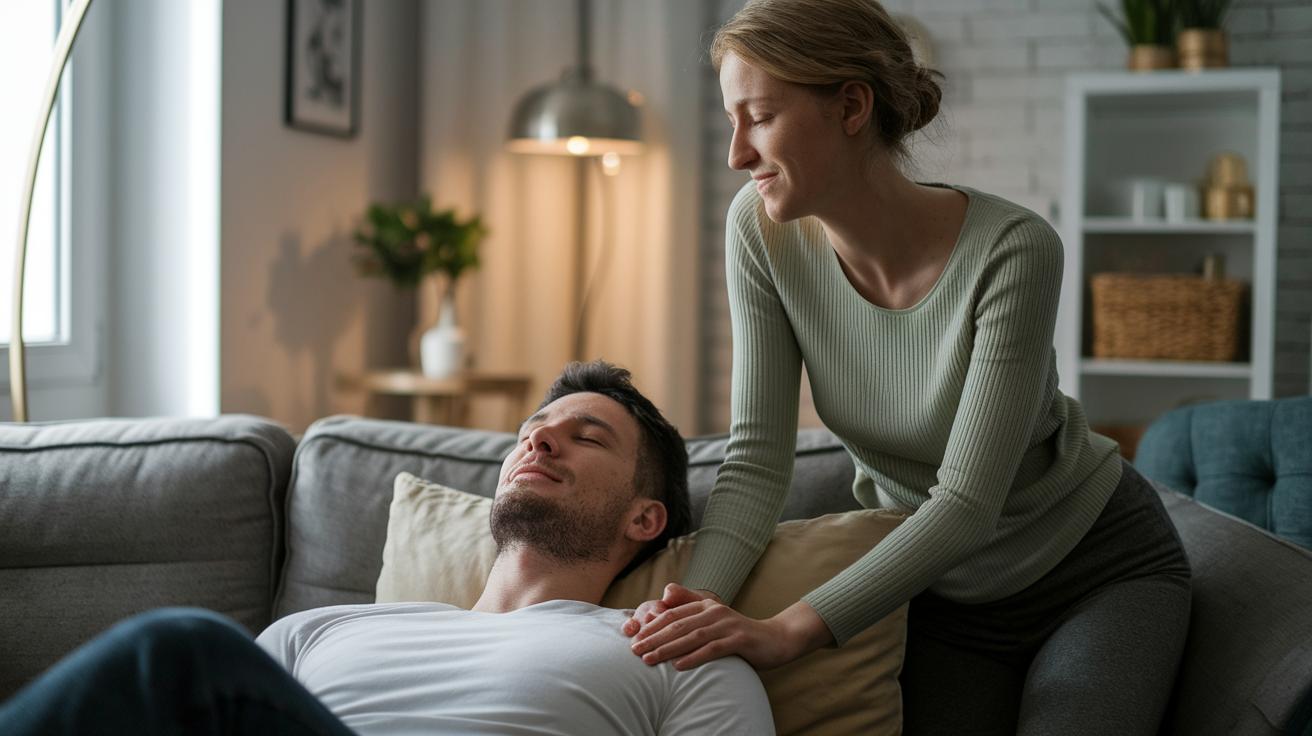
Ever thought about trying a self-massage using Swedish techniques? Imagine long, smooth strokes gliding over your arms and legs, kind of like smoothing out a crumpled bedsheet. These gentle moves get your blood flowing and can lower cortisol (that stress hormone), leaving you feeling more at ease. Picture running your hands over your shoulders with firm, steady pressure, easing tension with every pass.
A partner massage can work wonders, too. Ask someone close to you to knead away tight muscles, especially in areas that tend to get knotted up, like your upper back and neck. Just one session can feel like a refreshing break in a busy day, almost like that cooling gust on a hot afternoon.
For those who like a bit more guidance, check out a step-by-step guide on how to give a full body massage, it’s packed with expert, easy-to-follow tips.
And don’t forget the power of focused thumb pressure. Think of your thumbs as little tools that can target deep-seated knots. With each press, they help release stubborn tension, leaving you with a deep, soothing sense of relaxation that brings your body and mind into perfect harmony.
3 body relaxation tips: Embrace Pure Calm
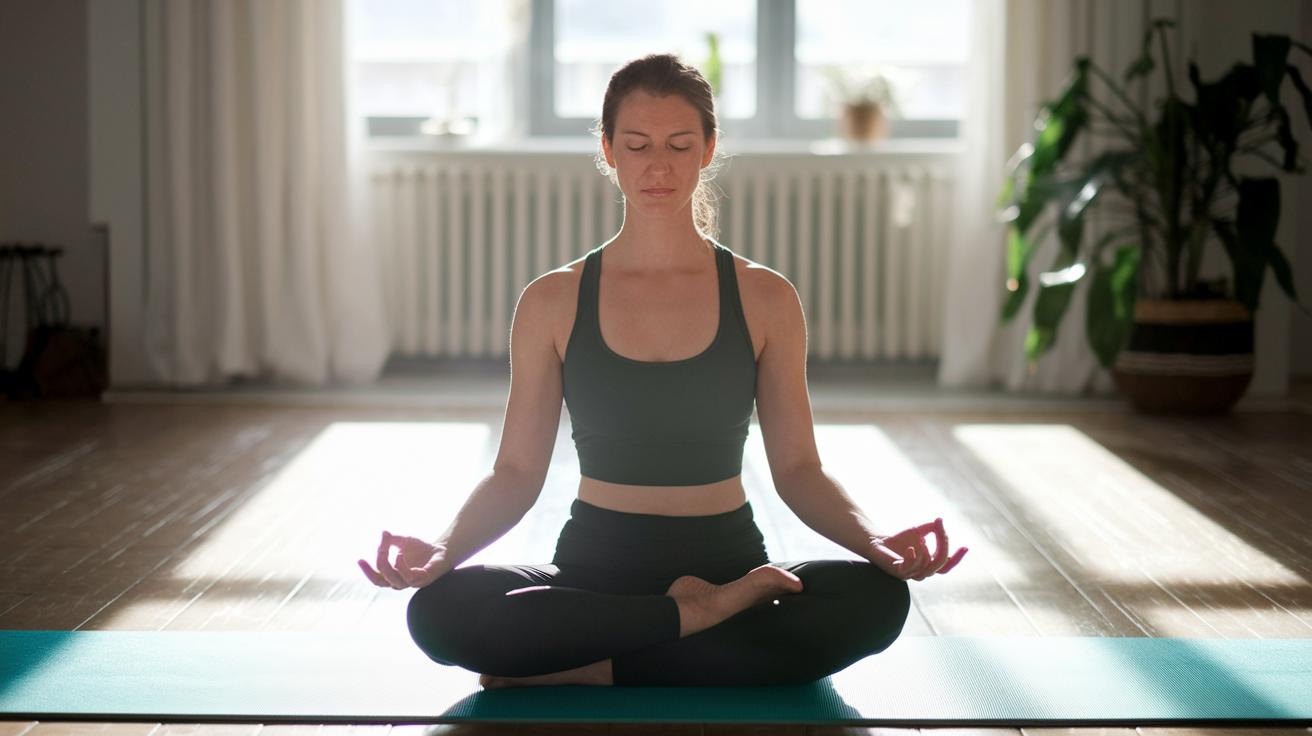
Have you ever tried progressive muscle release? It’s a method where you gently squeeze and then let go of 16 major muscle groups while matching each move with a mindful breath. In just 10–20 minutes, this routine can help melt away stress and ease muscle tension.
Try these three steps:
-
First, focus on your face and neck. Tighten these muscles for about 5–10 seconds, as if you’re squinting in bright sunlight, then slowly release. You might feel a sudden lightness, almost like a soft breeze has brushed by.
-
Next, work on your upper body. Clench your fists and tighten your shoulders and chest. Hold that firm squeeze while taking a slow, deep breath, and then exhale as you let the muscles relax. Picture it like you’re gently unwinding a tight spring.
-
Finally, target your lower body. Tighten your legs and glutes, hold for a brief moment, and then slowly let go as you take a long breath. Imagine each muscle softening just like ice melting into water.
This simple cycle of tensing, releasing, and mindful breathing not only calms the mind but also helps your muscles recover better.
Somatic Unwind Exercises to Boost Body Relaxation
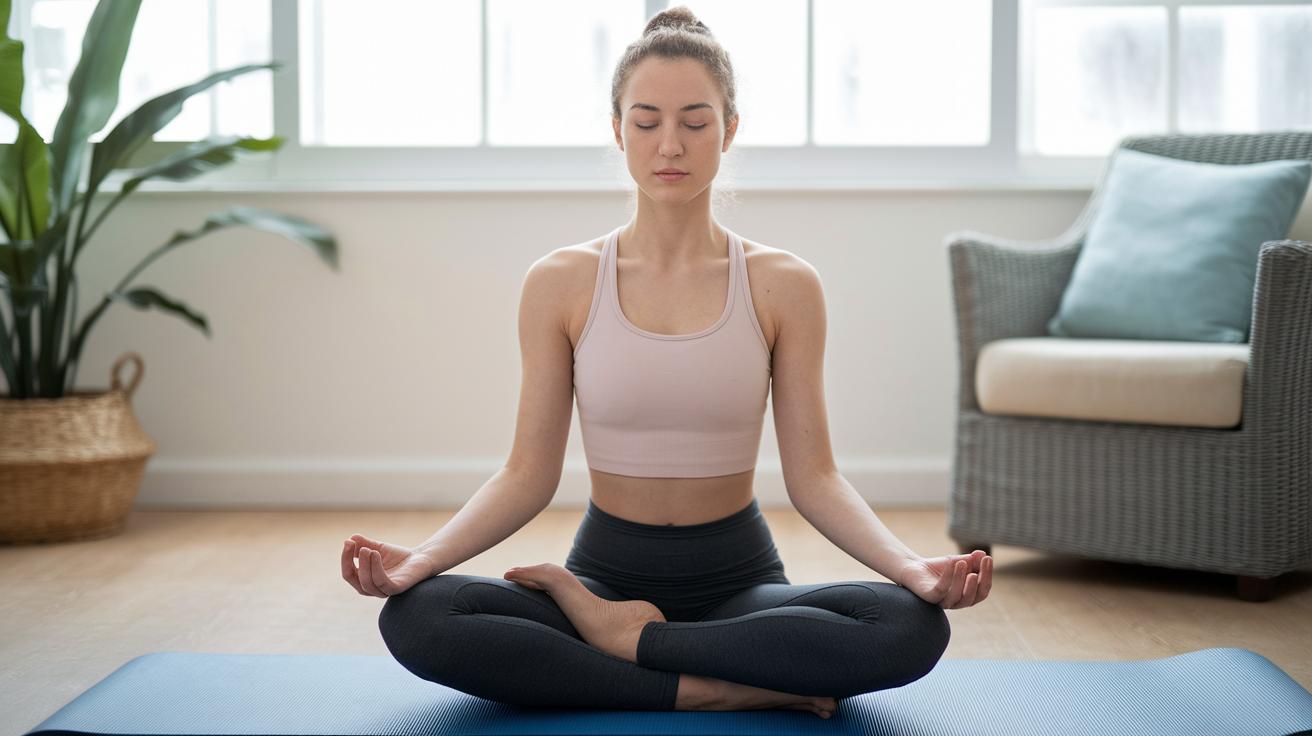
If you want to feel more relaxed, try adding somatic exercises into your daily routine. Start with a 30-minute guided walking meditation. As you walk, notice your pace and take in the changing views around you. Imagine each step melting away stress, reminding you that simple movement can help clear your mind.
Then, spend 5 minutes practicing gratitude with your senses. Stand quietly, and let your senses wake up. Focus on a soothing scent, a gentle sound, or even a light touch. Think back to a small moment of joy, maybe the warmth of a shared smile, and let that feeling fill you. This little practice can help shift your mind away from daily worries to a place of calm.
Finally, enjoy a 10-minute mindful breathing body scan. Sit comfortably and begin by paying attention to your toes. Slowly move your focus upward while taking deep, calming breaths. For more tips on mindful breathing, check out mind body and yoga. Let each exhale release tension and each inhale bring fresh energy into your body.
These exercises help you connect with your present sensations. They ease muscle tightness and calm your nerves, leaving you with a clear and balanced sense of relaxation.
Sleep-Focused Body Relaxation Practices for Nighttime Calm

Have you ever tried a short guided sleep relaxation? In just 10 minutes, you can set the stage for a peaceful night. Imagine sinking onto a soft, gentle cloud as your heart eases into a calm rhythm, each exhale gently washing away the stress of your day.
Next, give a 12-minute beginner body scan a try. Start at your toes and slowly travel upward through your legs, torso, arms, and finally to your head. As you go, notice any tight spots and let each breath help melt them away. It's like releasing a coiled spring into a calm, open space.
Finally, add a few easy breathing techniques into your routine. Settle in comfortably, close your eyes, and focus on slow, deep breaths. Picture a soothing wave gently rolling over your body, relaxing every muscle and quieting your thoughts, like a soft lullaby inviting you to sleep.
| Practice | Description |
|---|---|
| Guided Sleep Relaxation | Spend 10 minutes unwinding before bed with a calm, guided session |
| Beginner Body Scan | Take 12 minutes to focus from your toes up to your head, releasing tension along the way |
| Breathing Exercises | Practice deep, measured breaths to calm your body and slow your mind |
Each of these practices works together to ease muscle tension, quiet the mind, and prepare your body for a night of truly restorative sleep. Enjoy the calm and let yourself drift off into a peaceful rest!
DIY Home Relaxation Routine for Body Relaxation
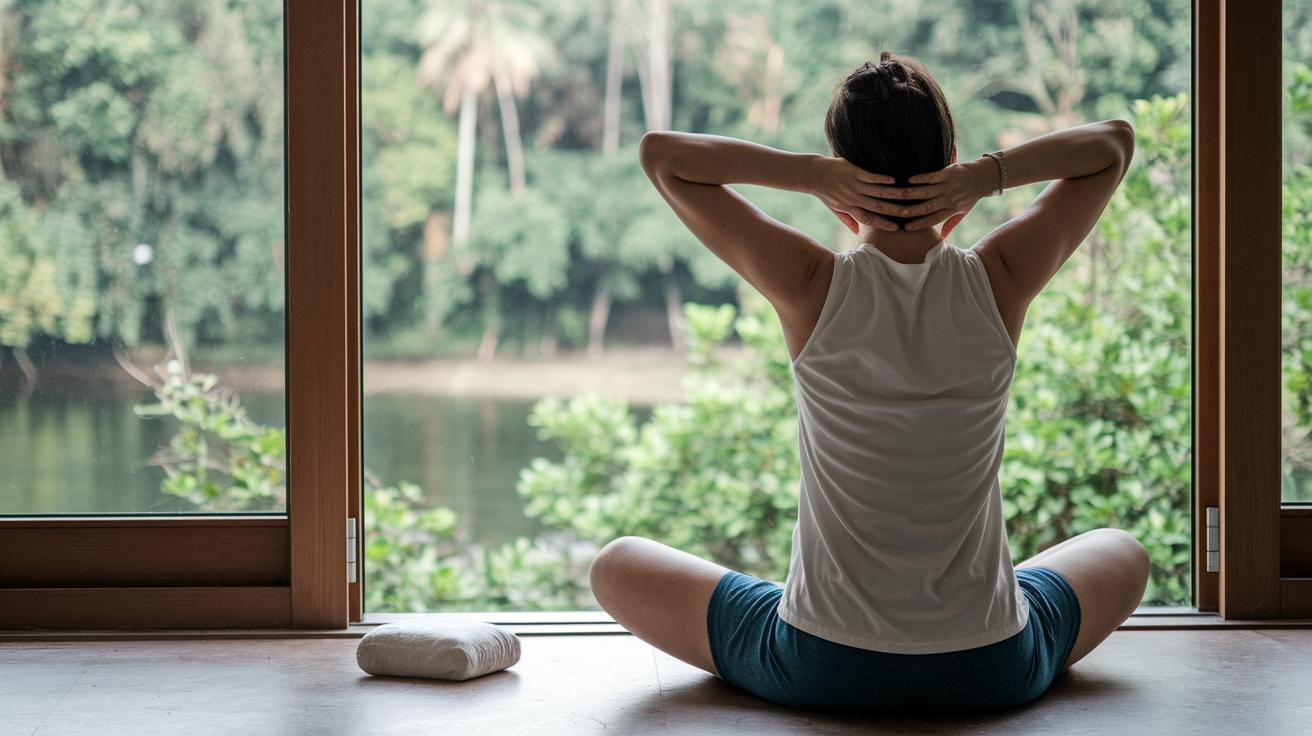
Start by setting aside five minutes for a gentle neck and shoulder stretch. Whether you’re sitting or standing, slowly roll your shoulders and let your head tilt side to side until you start to feel the knots loosening. It’s a bit like reaching overhead to grab something off a high shelf; every little stretch helps to ease your tension and invite a sense of calm.
Next, try an aromatherapy ritual with a warm compress. Soak a cloth in warm water, add a drop of your favorite essential oil, and gently press it on your temples or over your shoulders. Imagine the comforting warmth working like a soft wave, easing every tight spot just as a gentle sunbeam soothes your skin on a pleasant afternoon.
Then, wrap up your routine with a simple five-minute breathing exercise. Sit quietly and breathe slowly, inhale for 4 seconds, hold for 4 seconds, and then exhale for 4 seconds. Think of each breath as a gentle tide that carries your stress away, leaving you relaxed and centered.
If you’re interested in adding some extra hands-on techniques, check out the Targeted Massage Approaches section for easy self-massage tips. For more practical ideas to enhance your routine, visit the tips for healthy living page.
Final Words
In the action, we explored practical ways to ease muscle tension and quiet the mind. We touched on guided calm meditation, simple stretching, self and partner massage techniques, and progressive muscle release rituals. We even looked at nighttime strategies and DIY routines that bring a sense of ease you can feel wherever you are. Each tip supports a balanced life and reinforces the art of body relaxation. Enjoy applying these methods to feel more at peace each day!
FAQ
What are body relaxation techniques?
Body relaxation techniques include guided imagery meditation, mindful breathing exercises, and gentle stretches. These methods ease muscle tension, calm the nervous system, and provide instant relief from daily stress.
What does full body relaxation meditation for sleep involve?
Full body relaxation meditation for sleep uses calming visualizations and controlled breathing to help release muscle tension and quiet the mind, preparing you for deeper, more restorative sleep.
How does a full body relaxation meditation script work, especially in a five-minute format?
A full body relaxation meditation script outlines a brief, structured session where you focus on deep breathing and gradual muscle relaxation. This five-minute practice effectively reduces stress and promotes calm.
How is guided full body relaxation practiced?
Guided full body relaxation uses gentle verbal cues to direct your awareness through each part of your body, ensuring each muscle group is relaxed and tension is released for an overall sense of well-being.
How can one relax the mind and body from anxiety?
Relaxing the mind and body from anxiety can be achieved with mindful breathing, progressive muscle release, and simple meditation techniques that ease racing thoughts and reduce physical tension simultaneously.
What steps help in achieving full body relaxation and releasing overall tension?
Achieving full body relaxation involves self-massage, gentle stretching, and guided meditation. These actions work together to ease muscle tension and encourage a peaceful state across the entire body.
What is body relaxation medicine?
Body relaxation medicine may refer to complementary approaches like supplements or therapies claimed to support relaxation. However, proven natural methods such as meditation, stretching, and mindful breathing remain highly effective for stress relief.